
User:Ferretwings/Biomes - minecraft.fandom.com
Biomes in the Java edition.
Ignore the whitespace; it's easier to write the arrays downwards for now, which is causing a whole lot of blank lines.
Biomes list[]
Retrieved from Category:Biomes and Template:Biome, and formatted with User:Ferretwings/biomeRow.
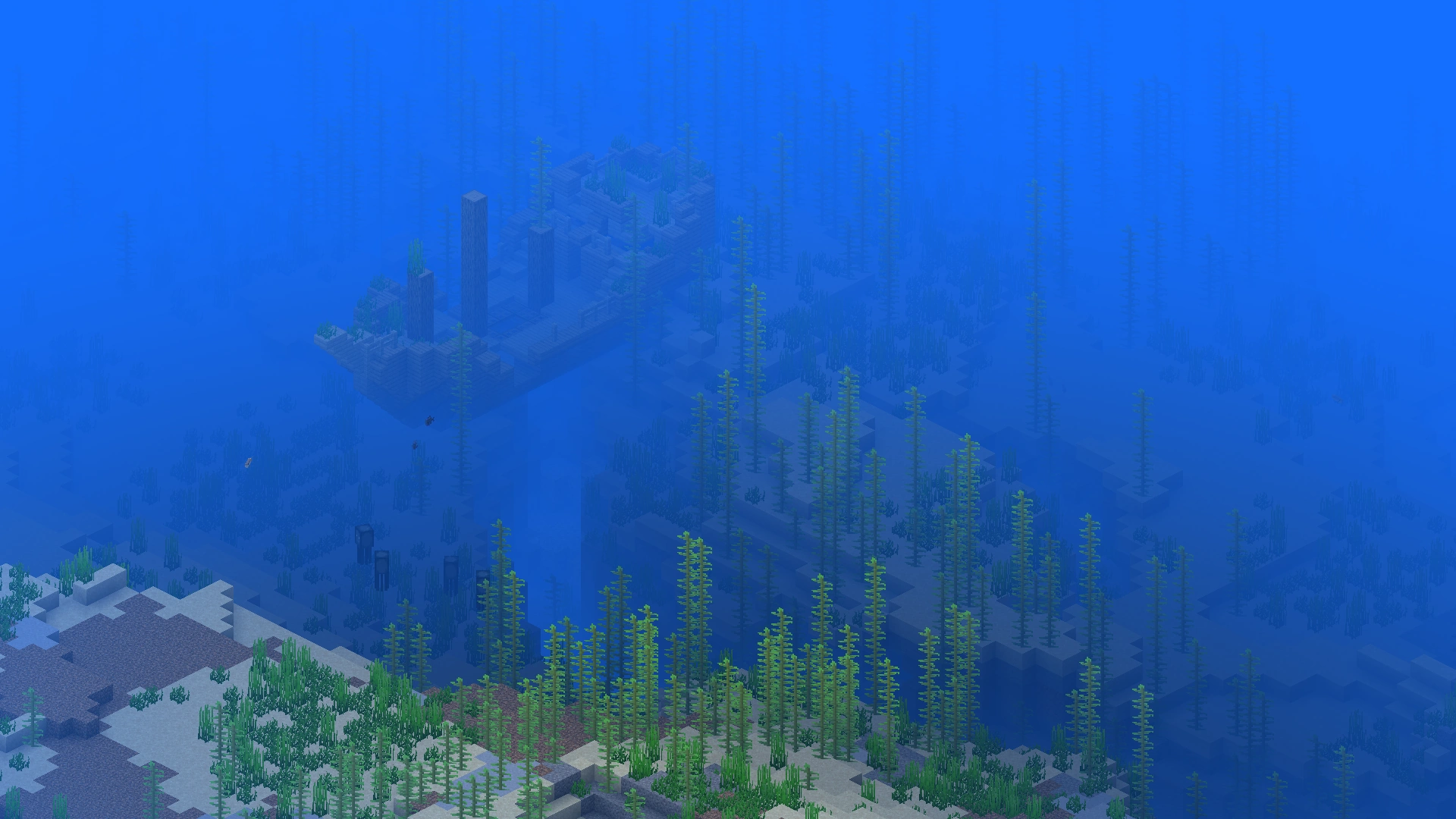
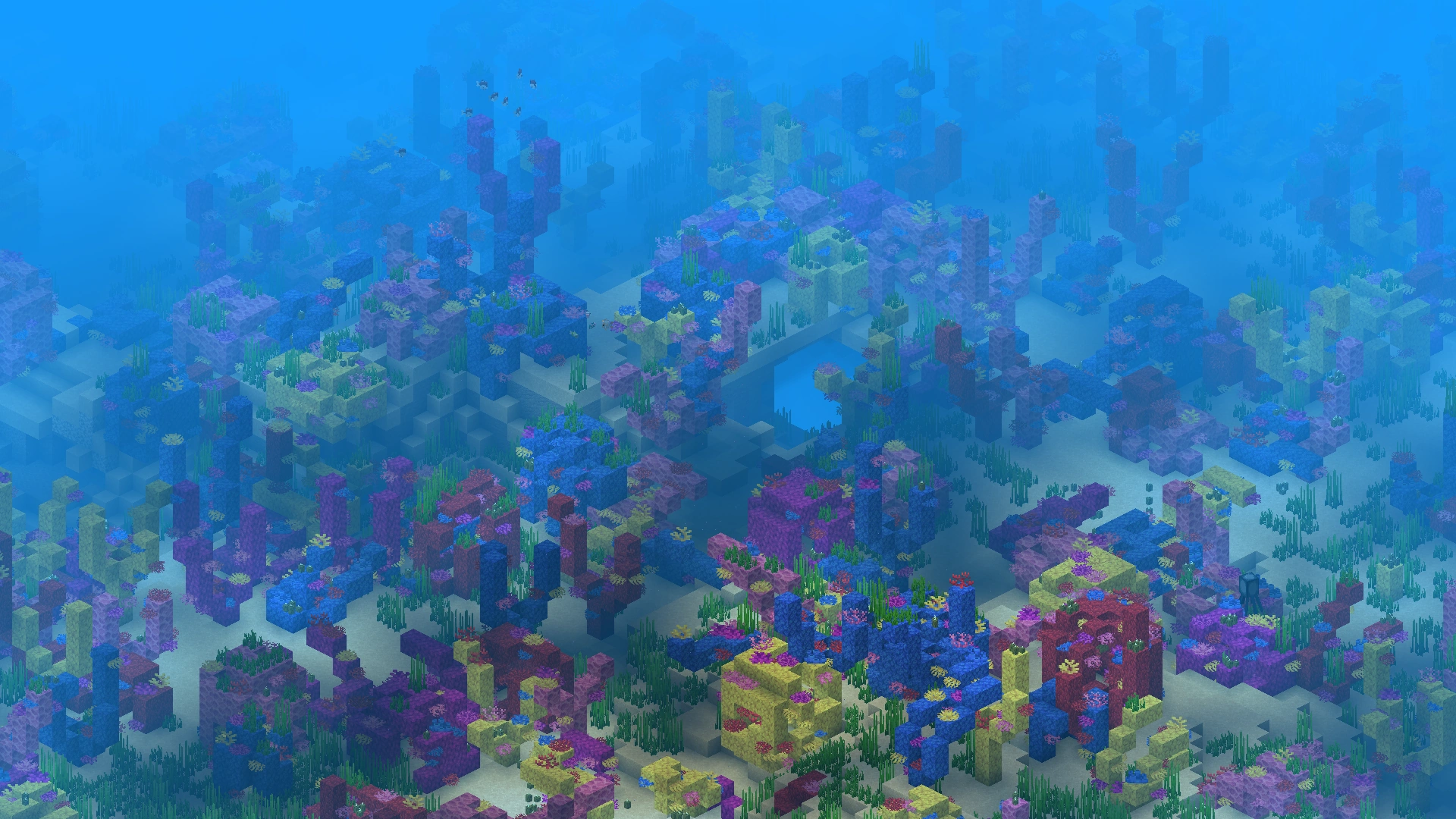
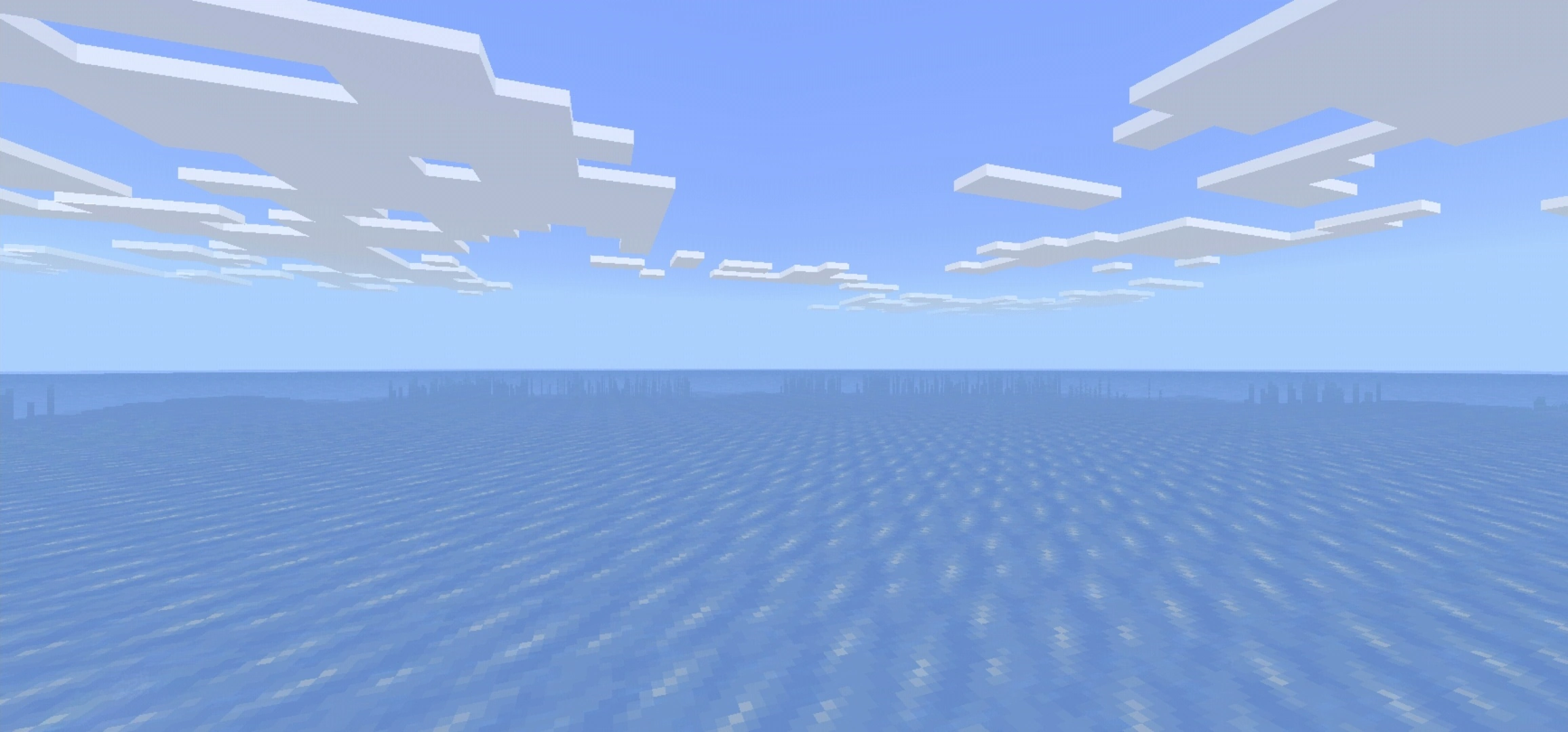
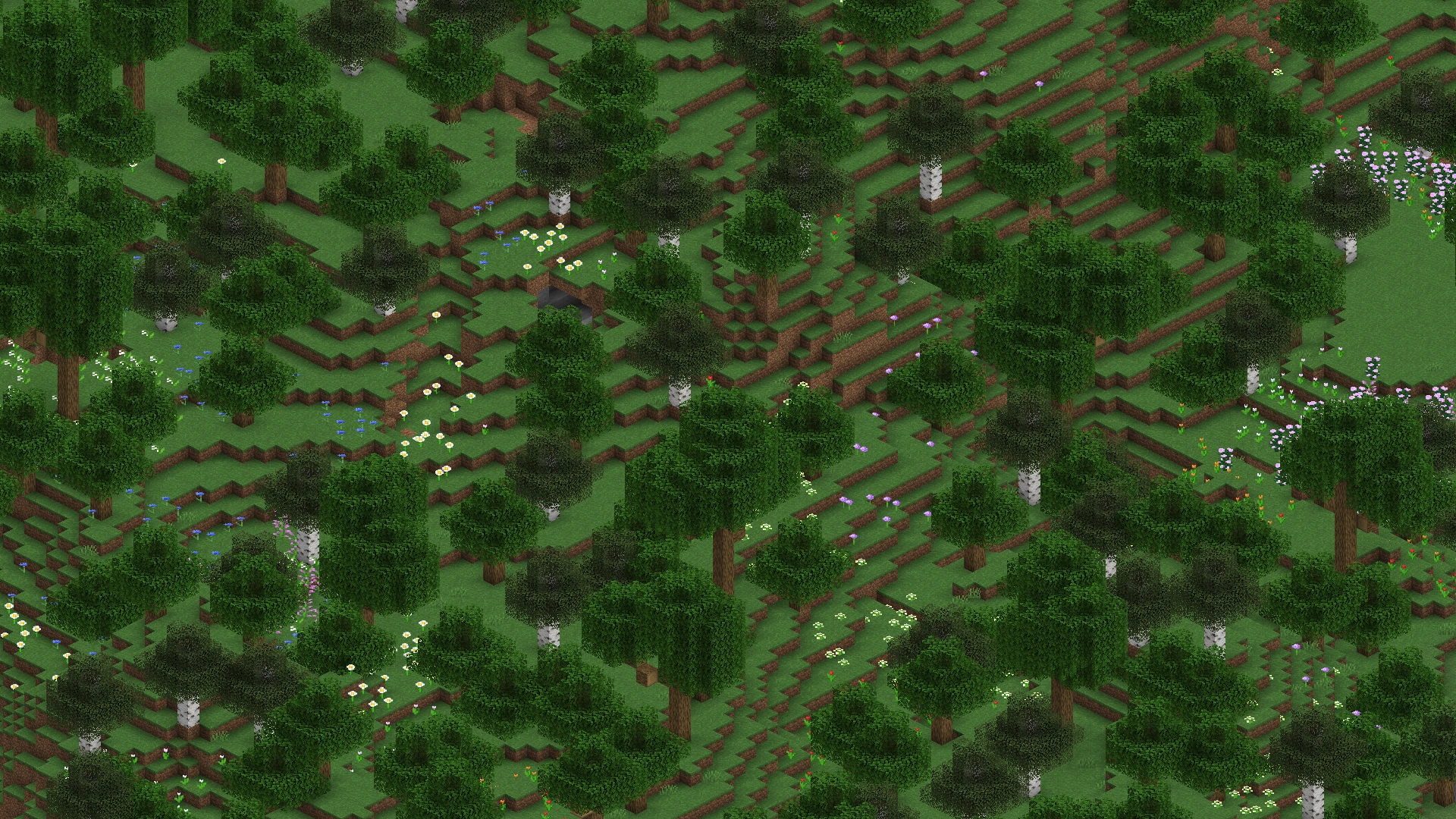
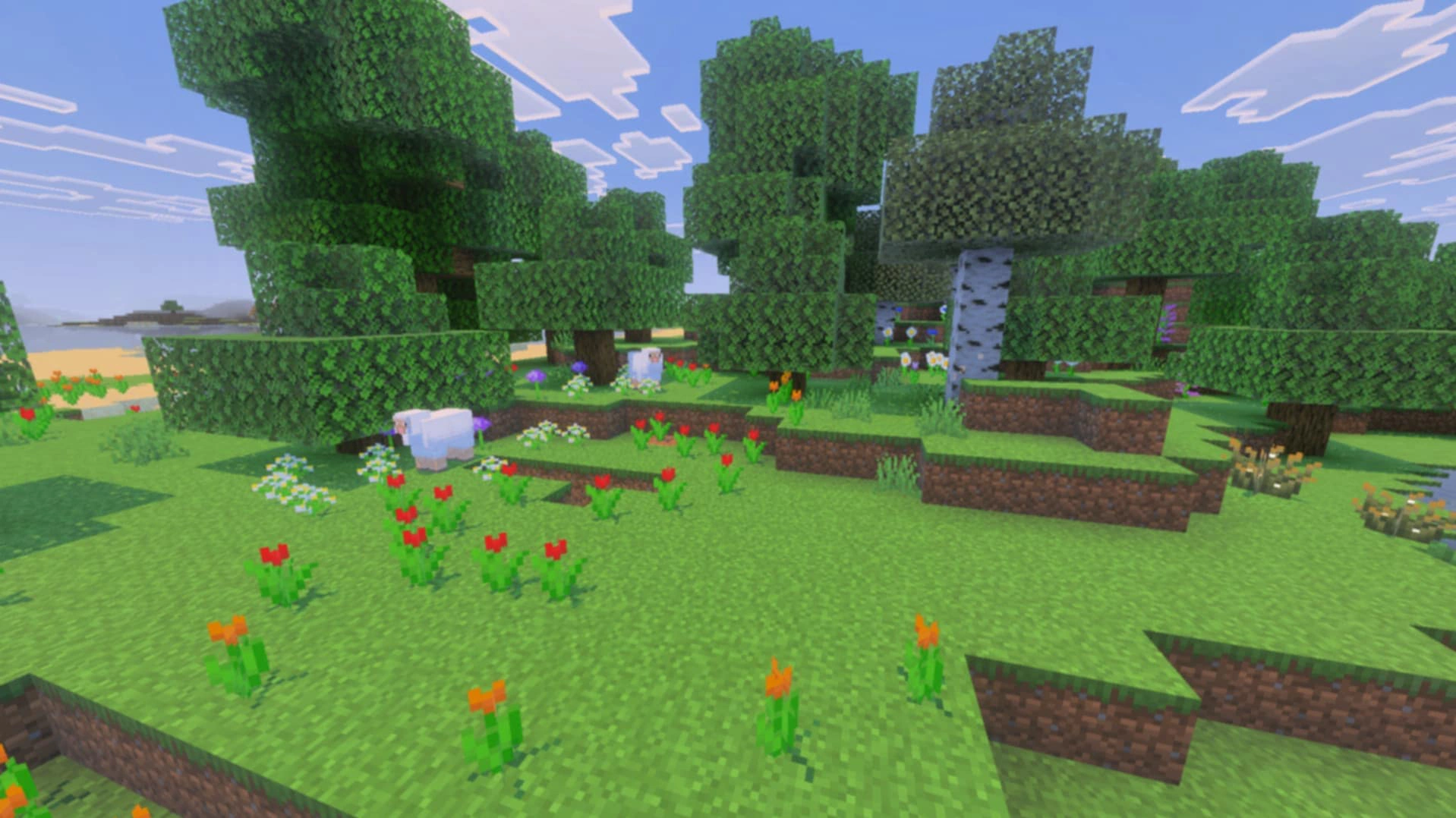
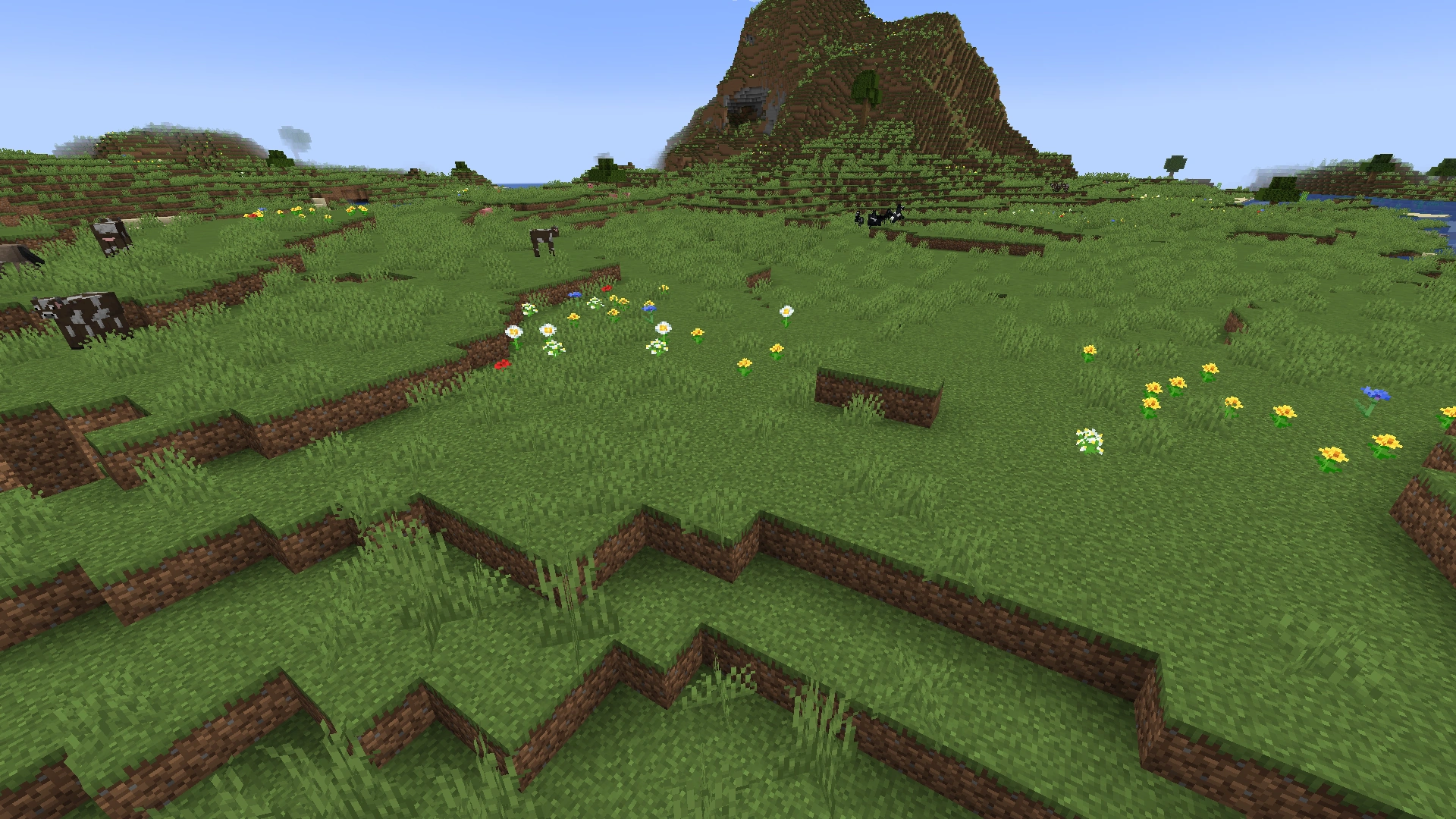
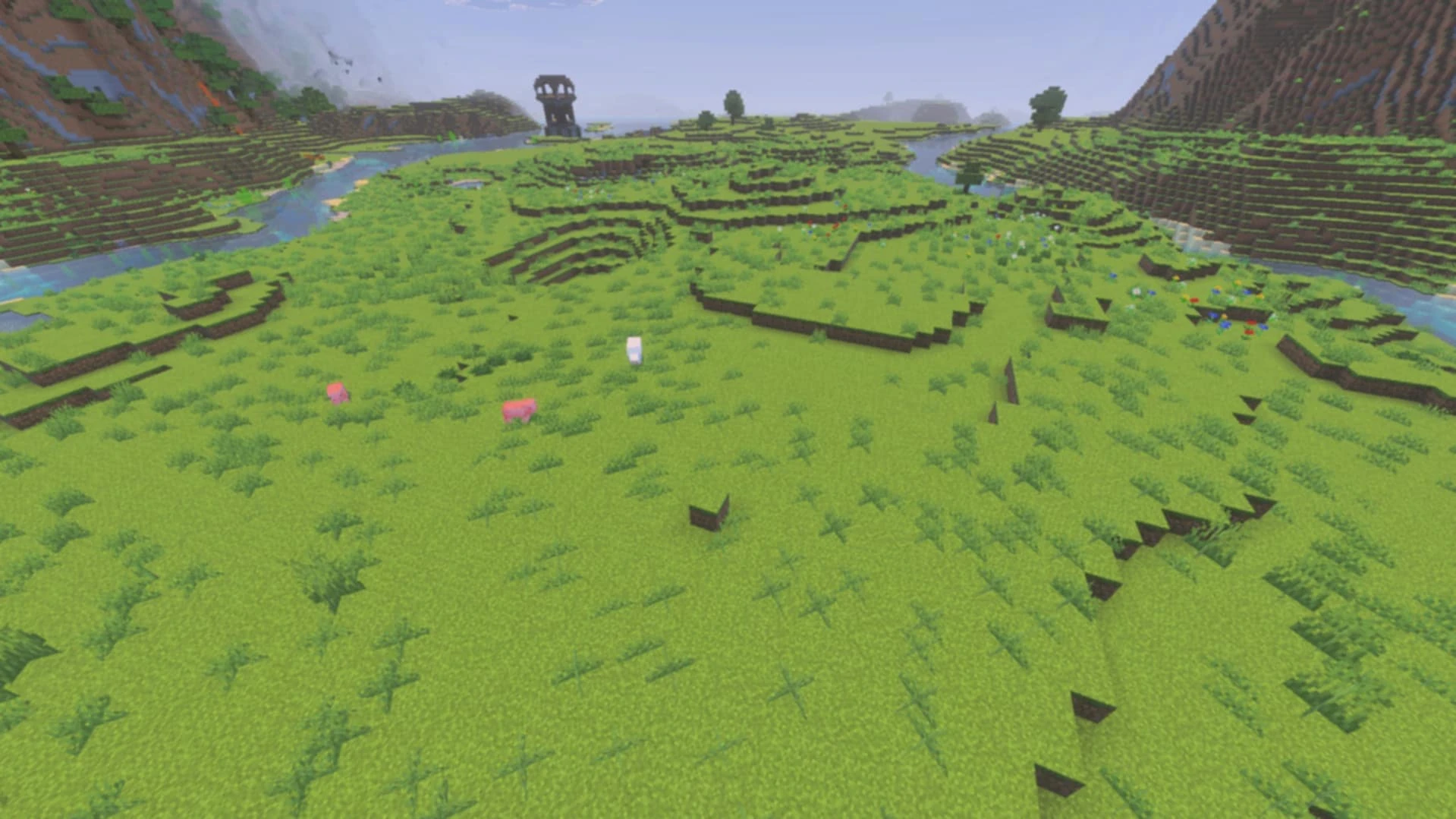
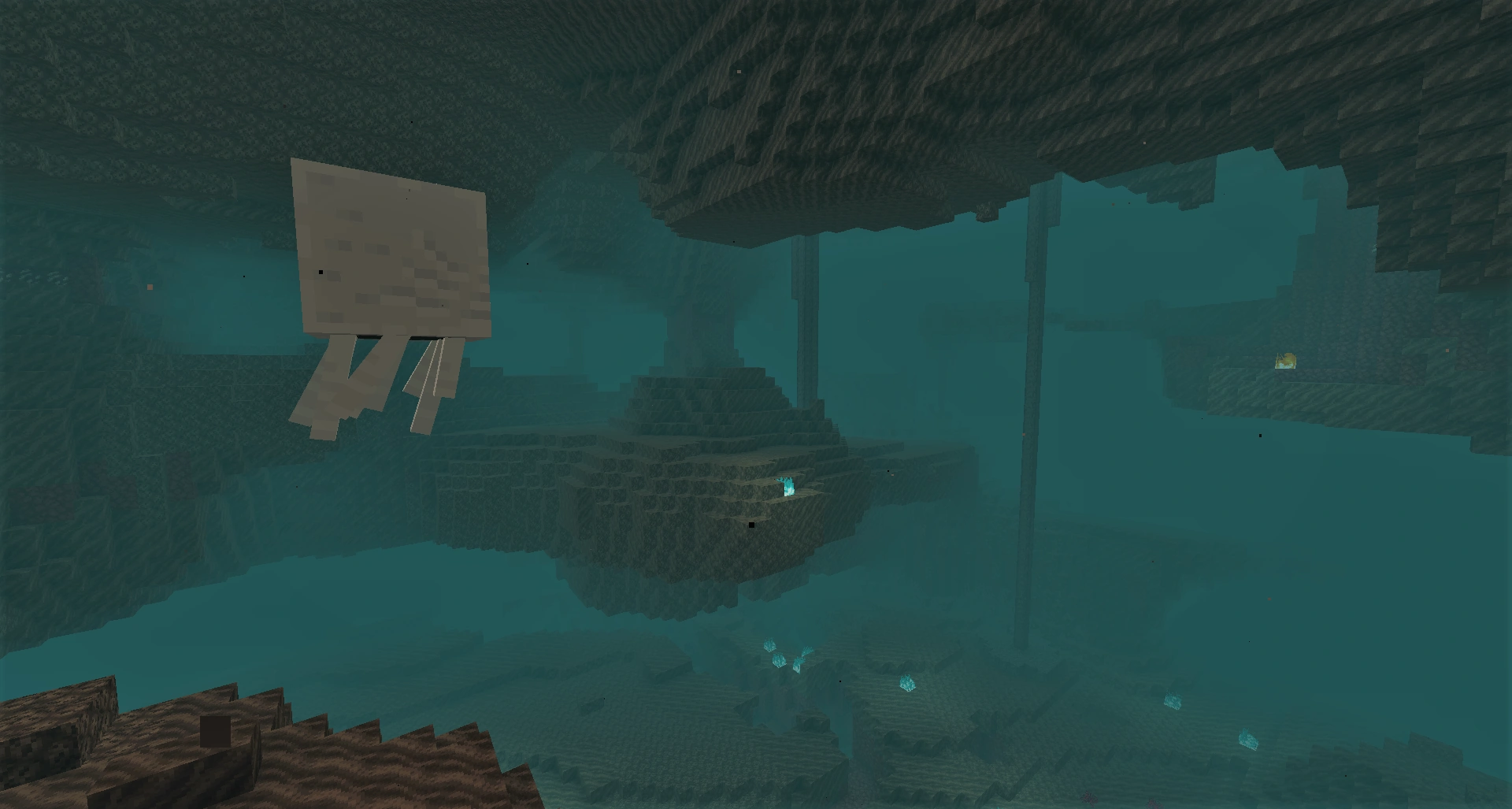
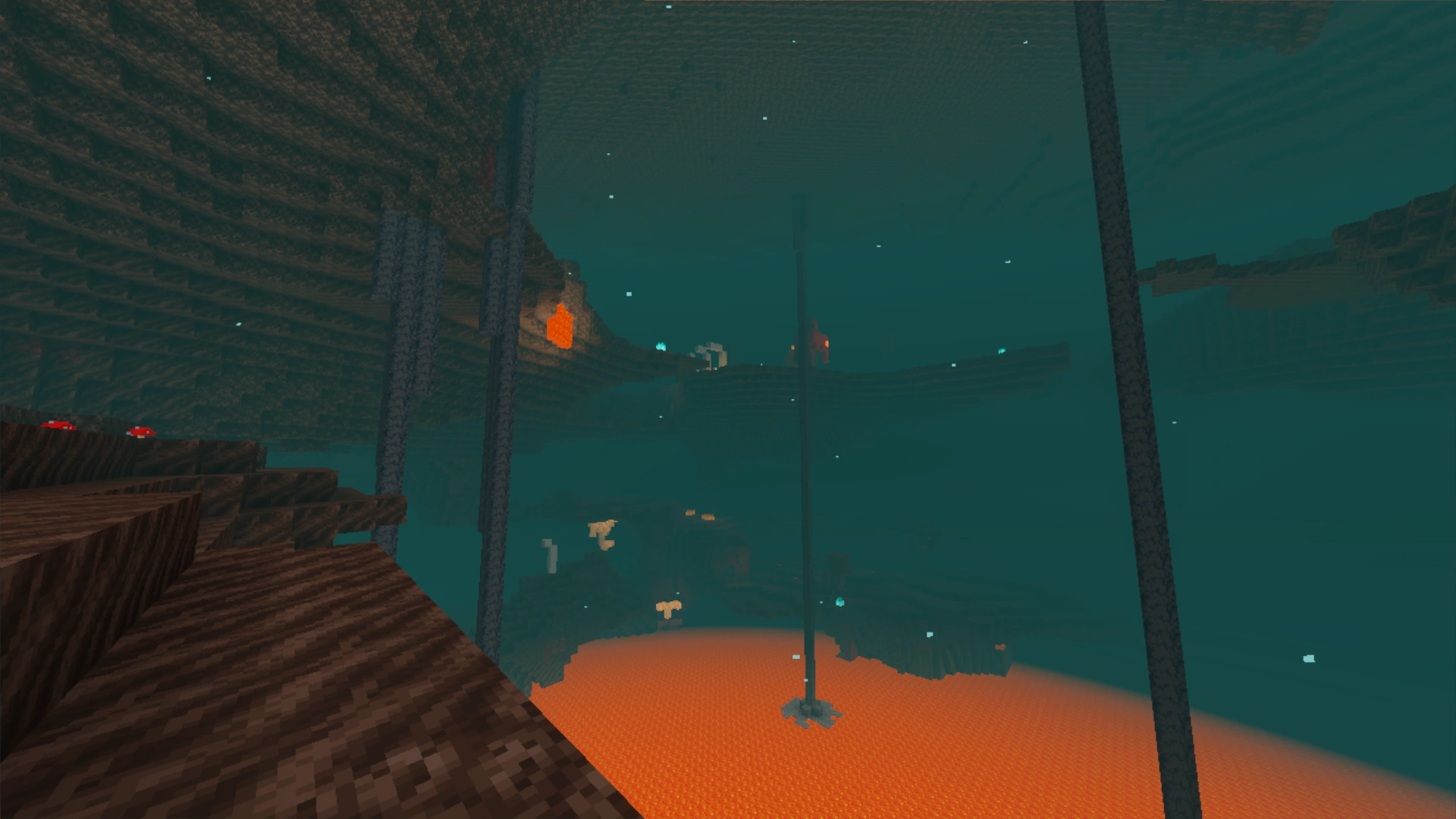
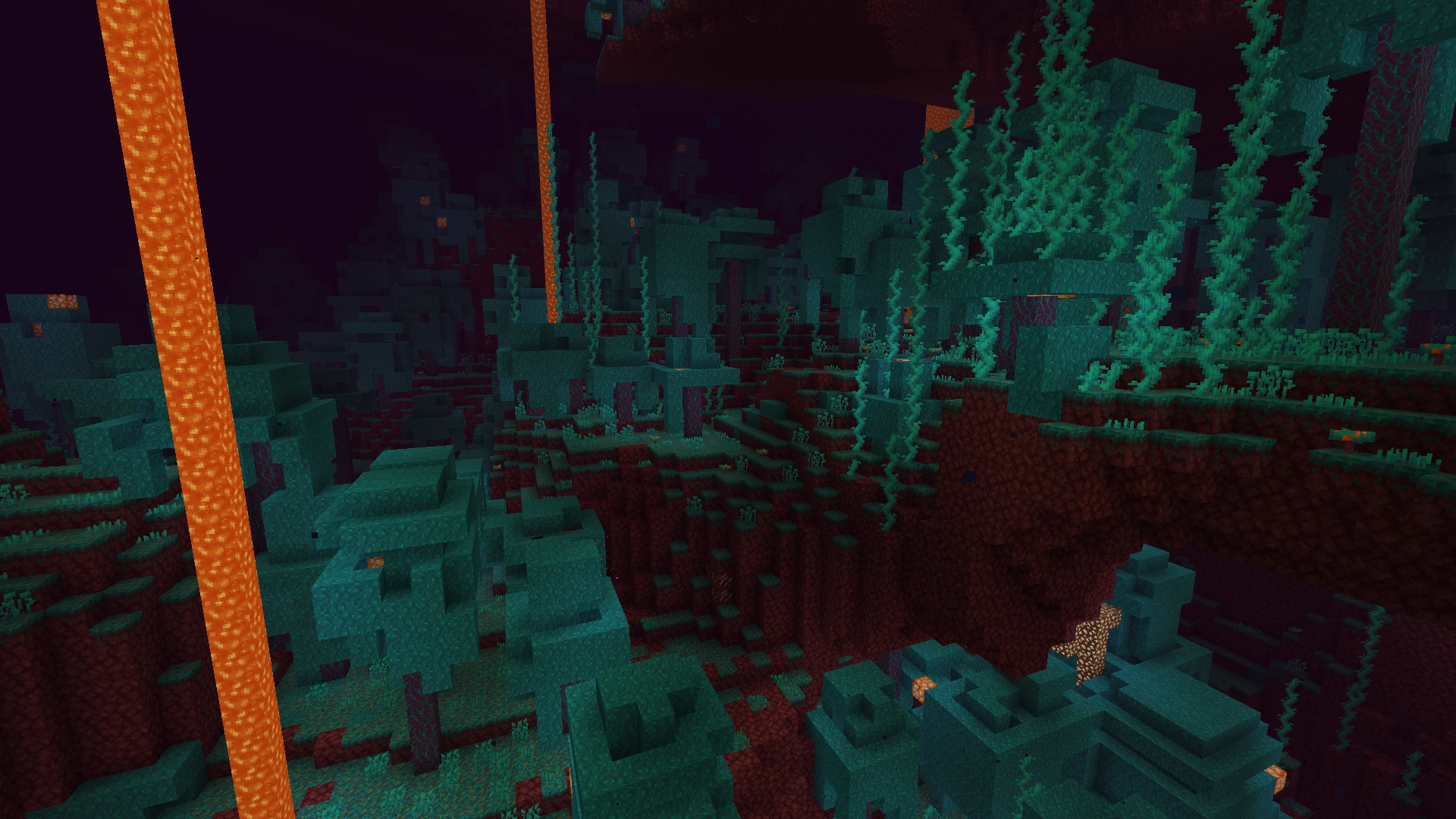
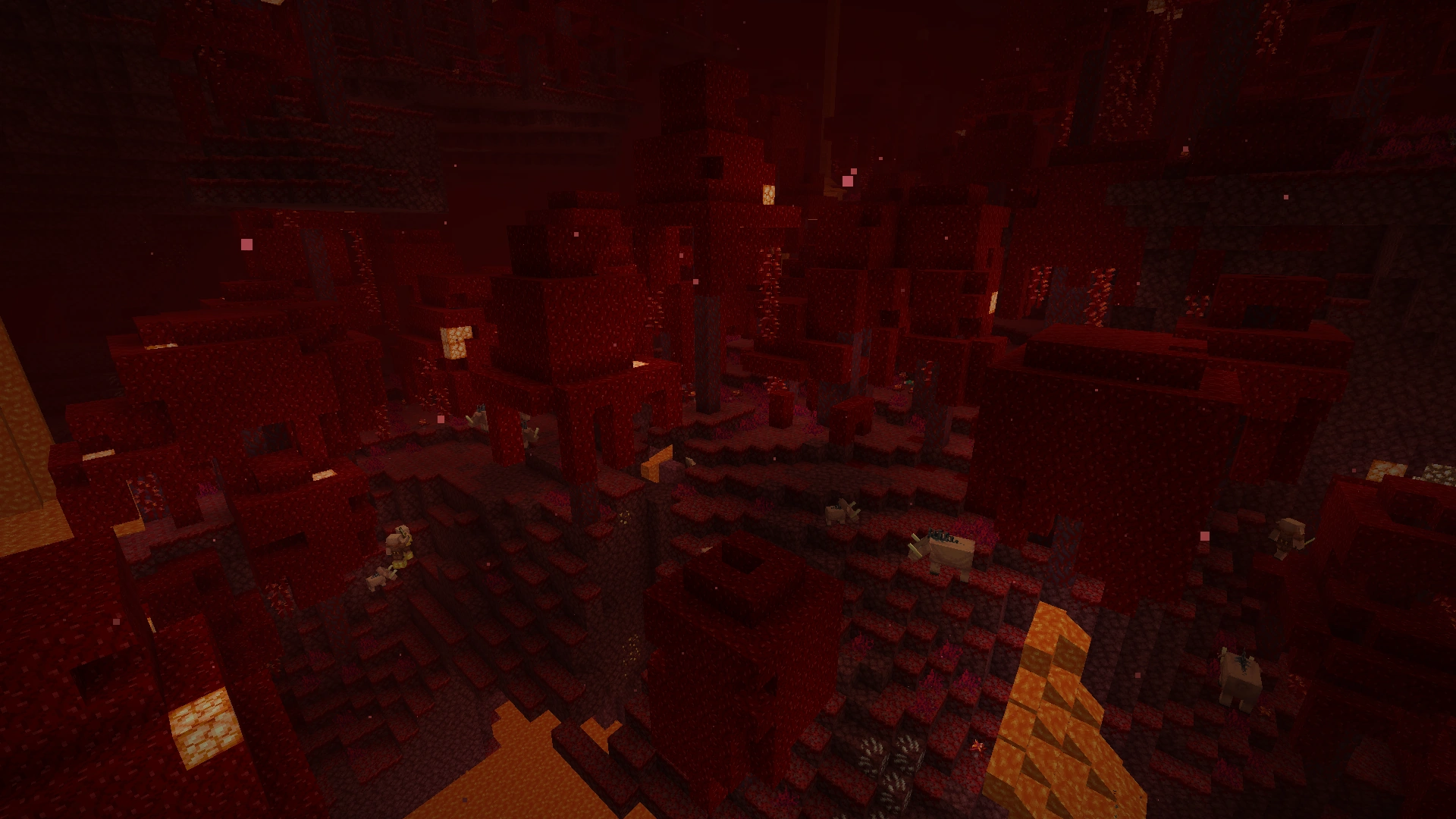
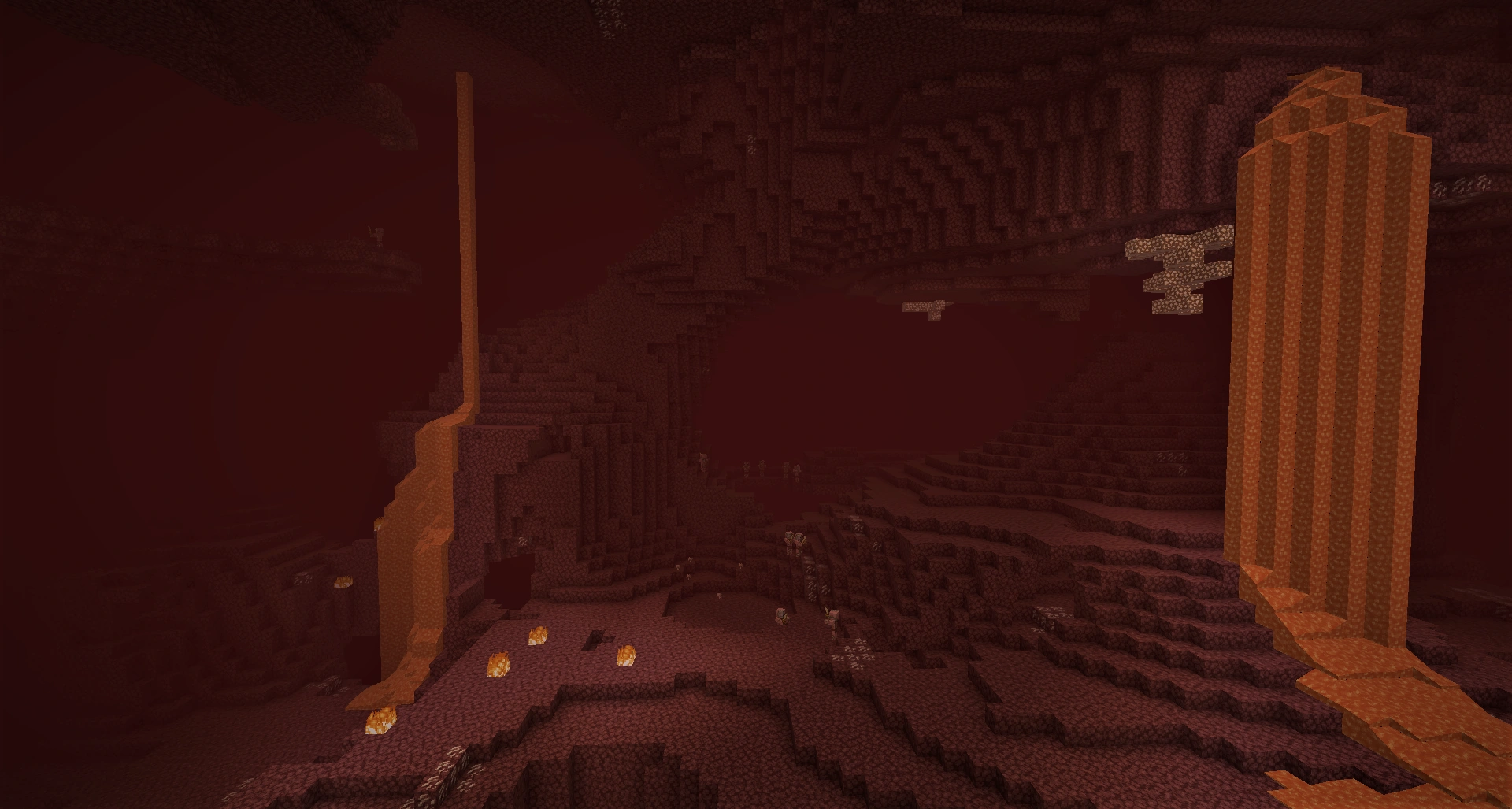
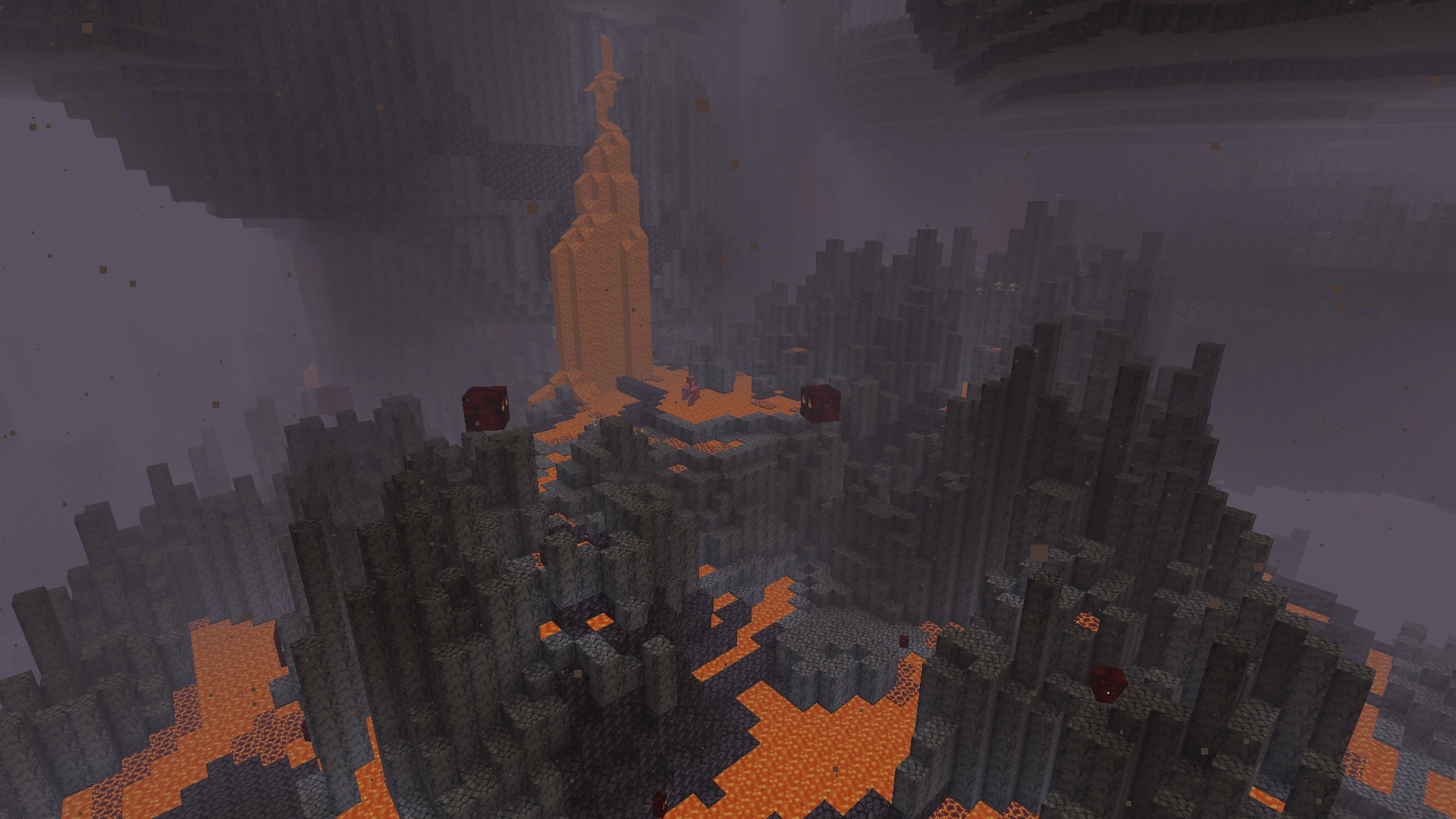
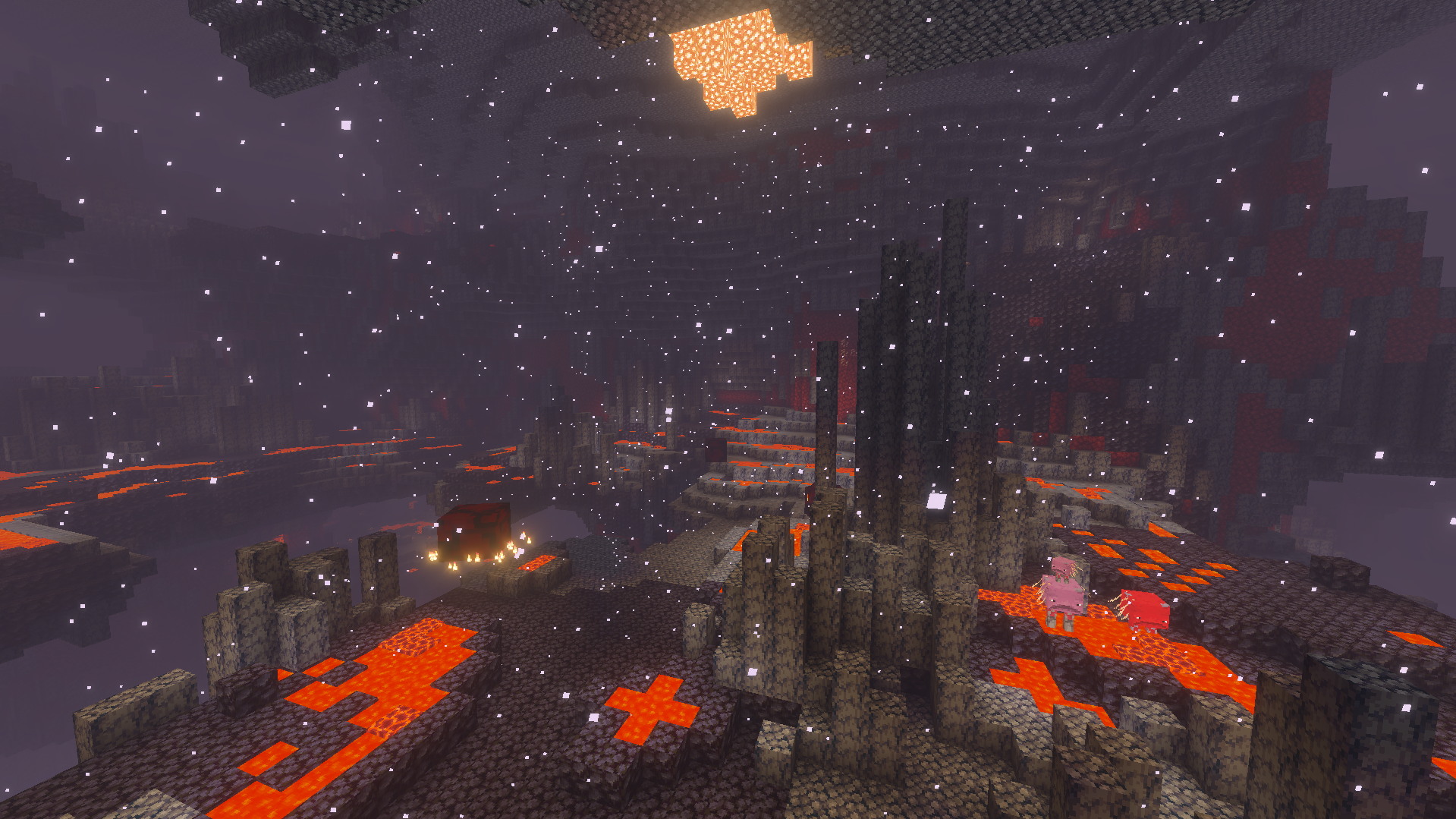
There are 68 biomes in the Java edition:
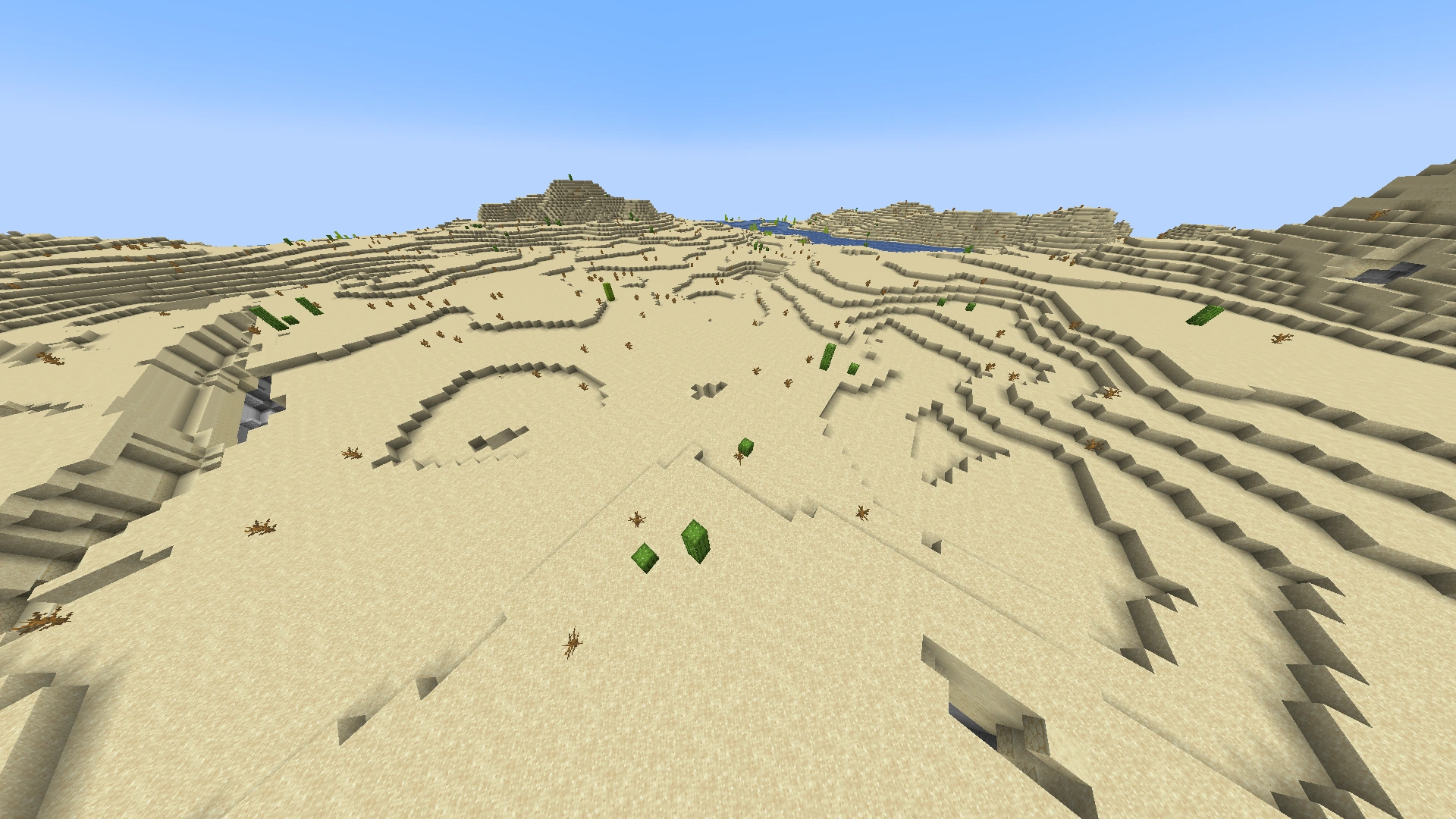
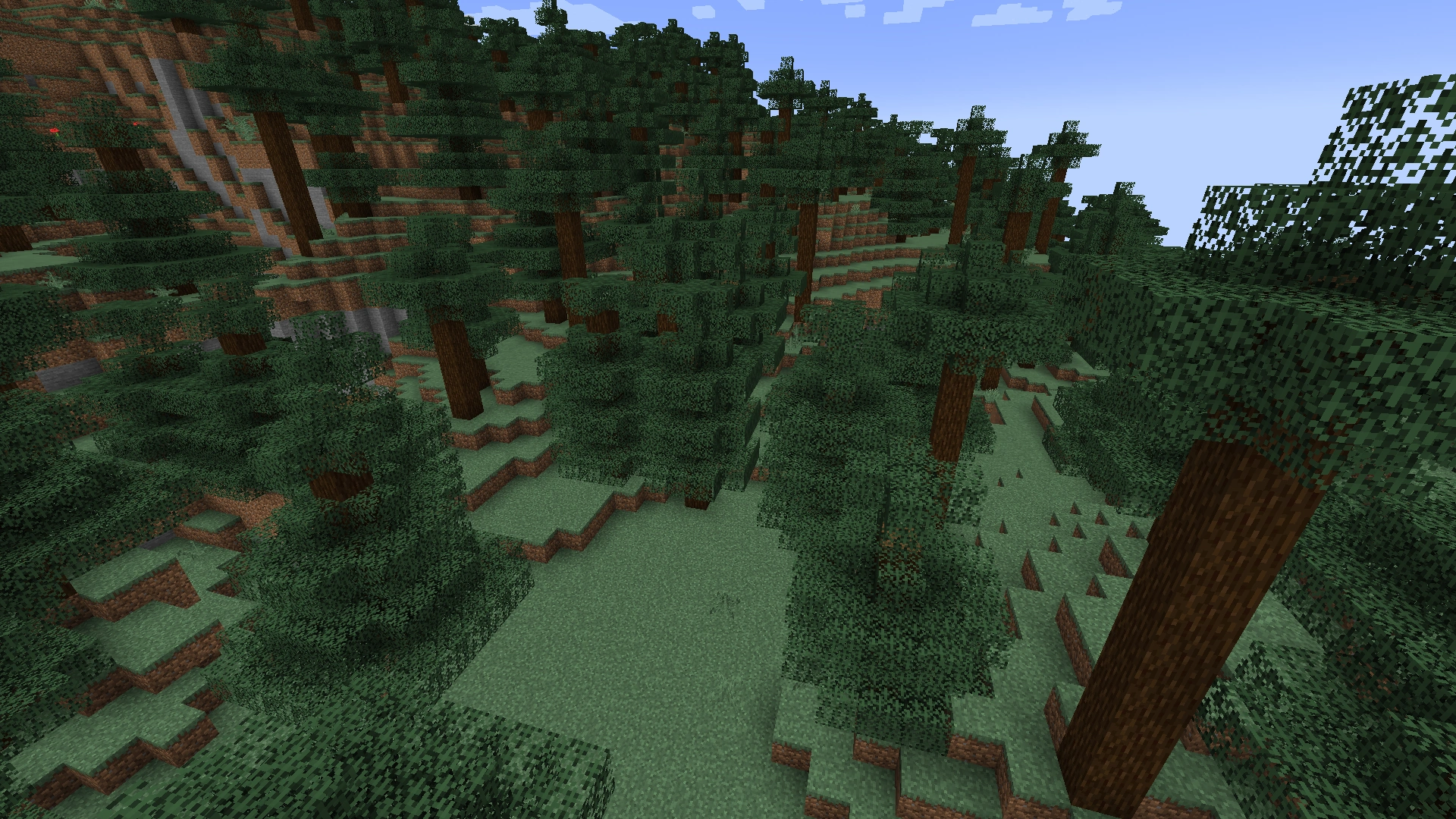
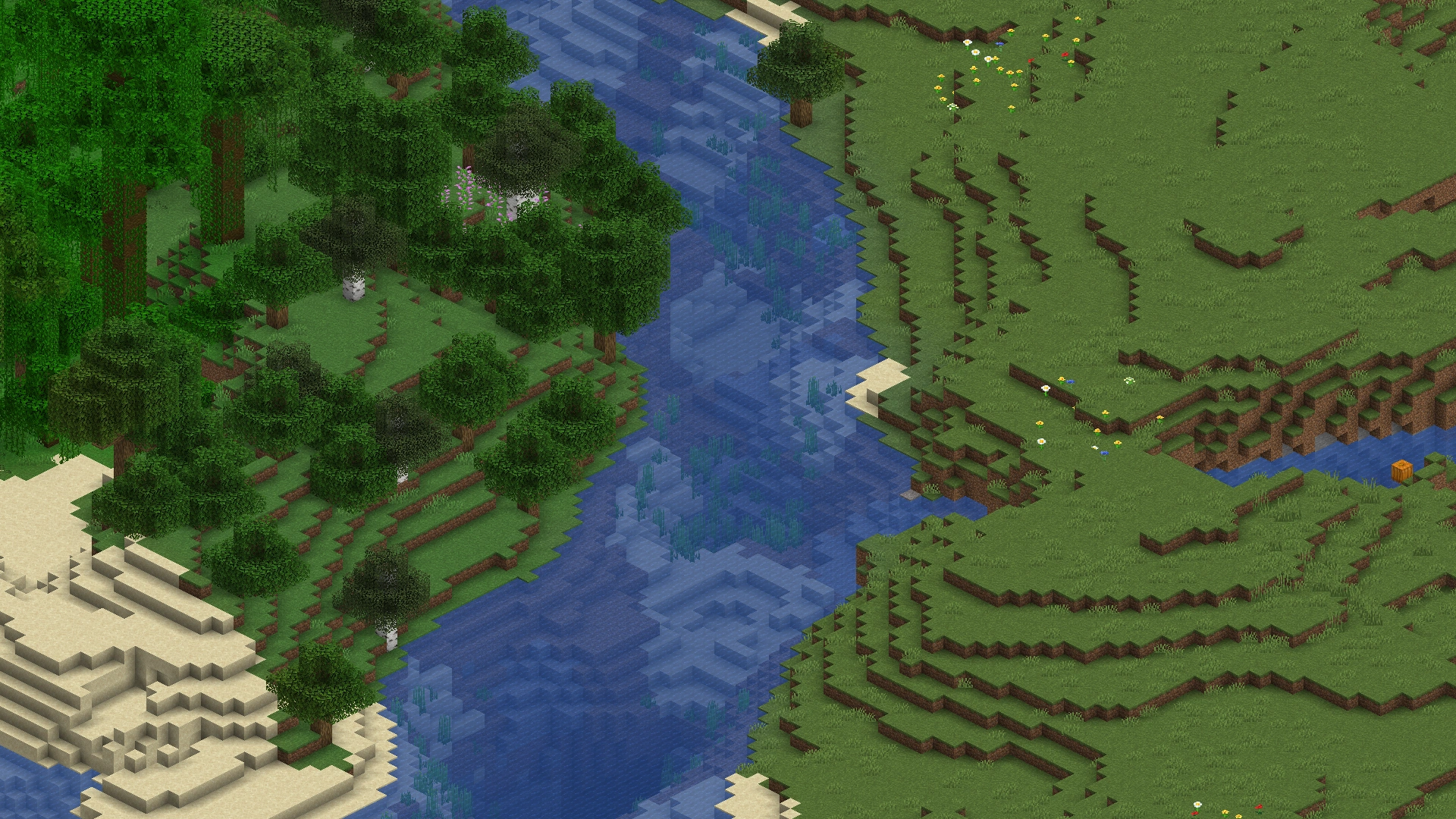
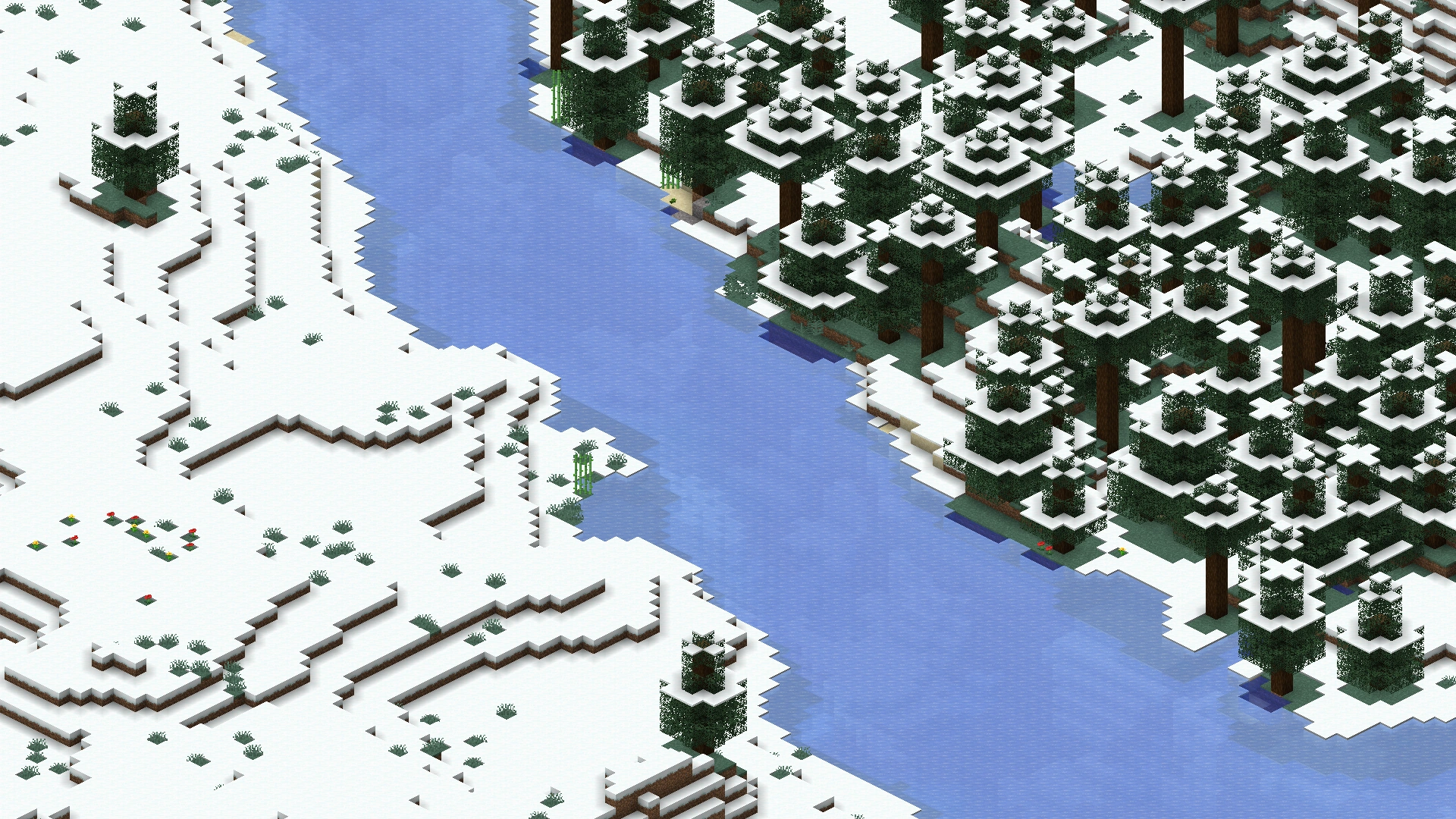
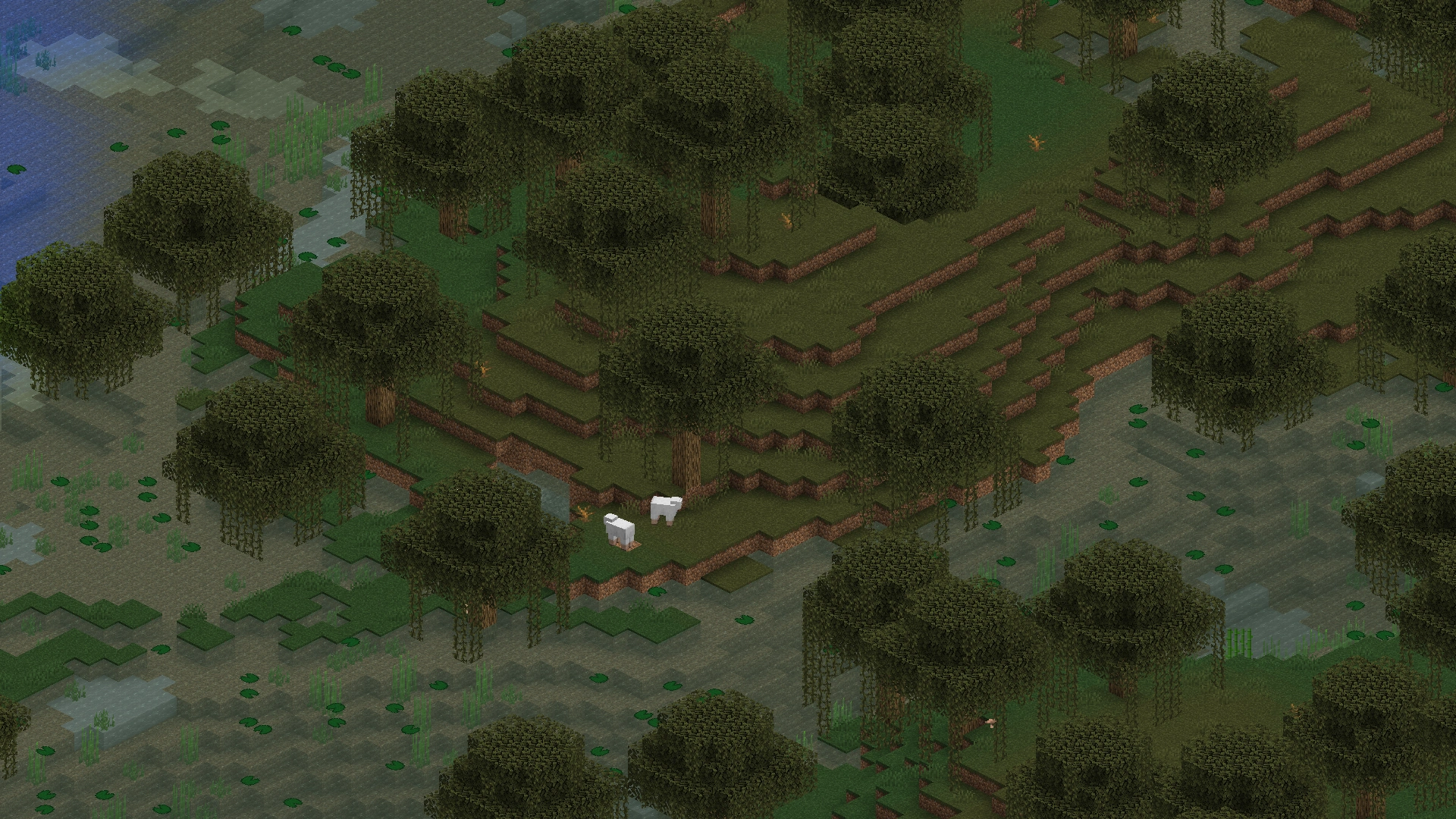
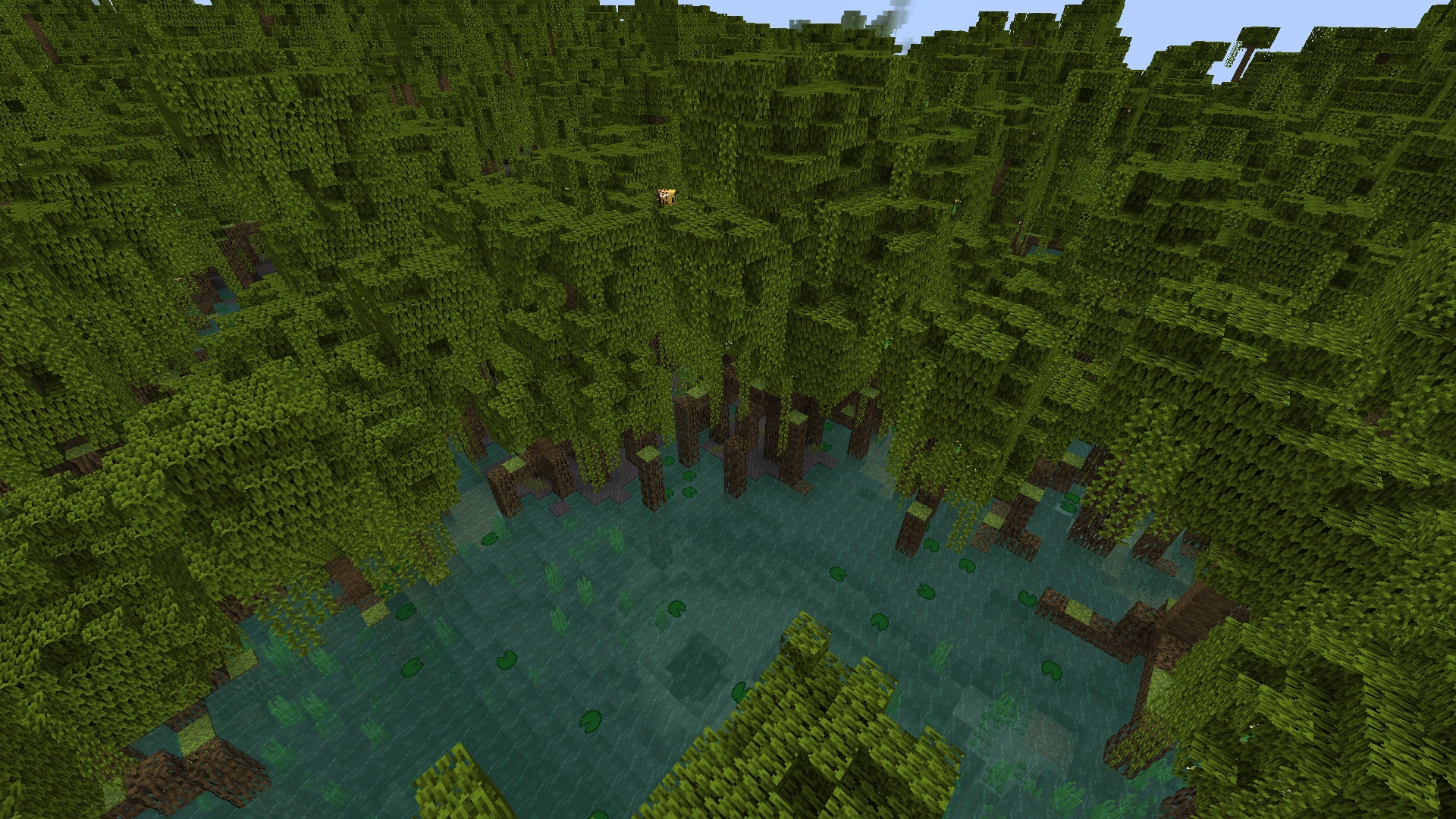
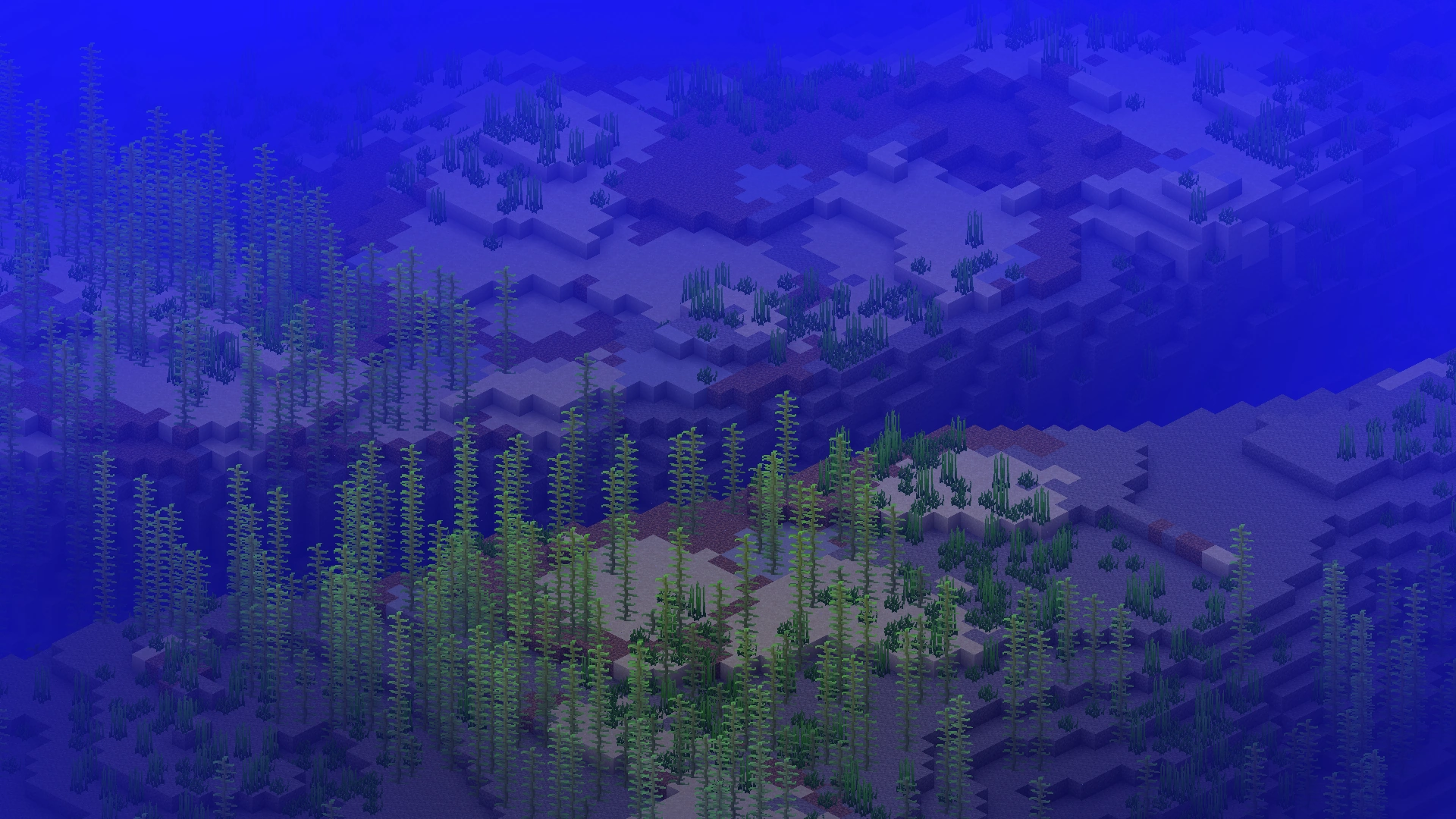
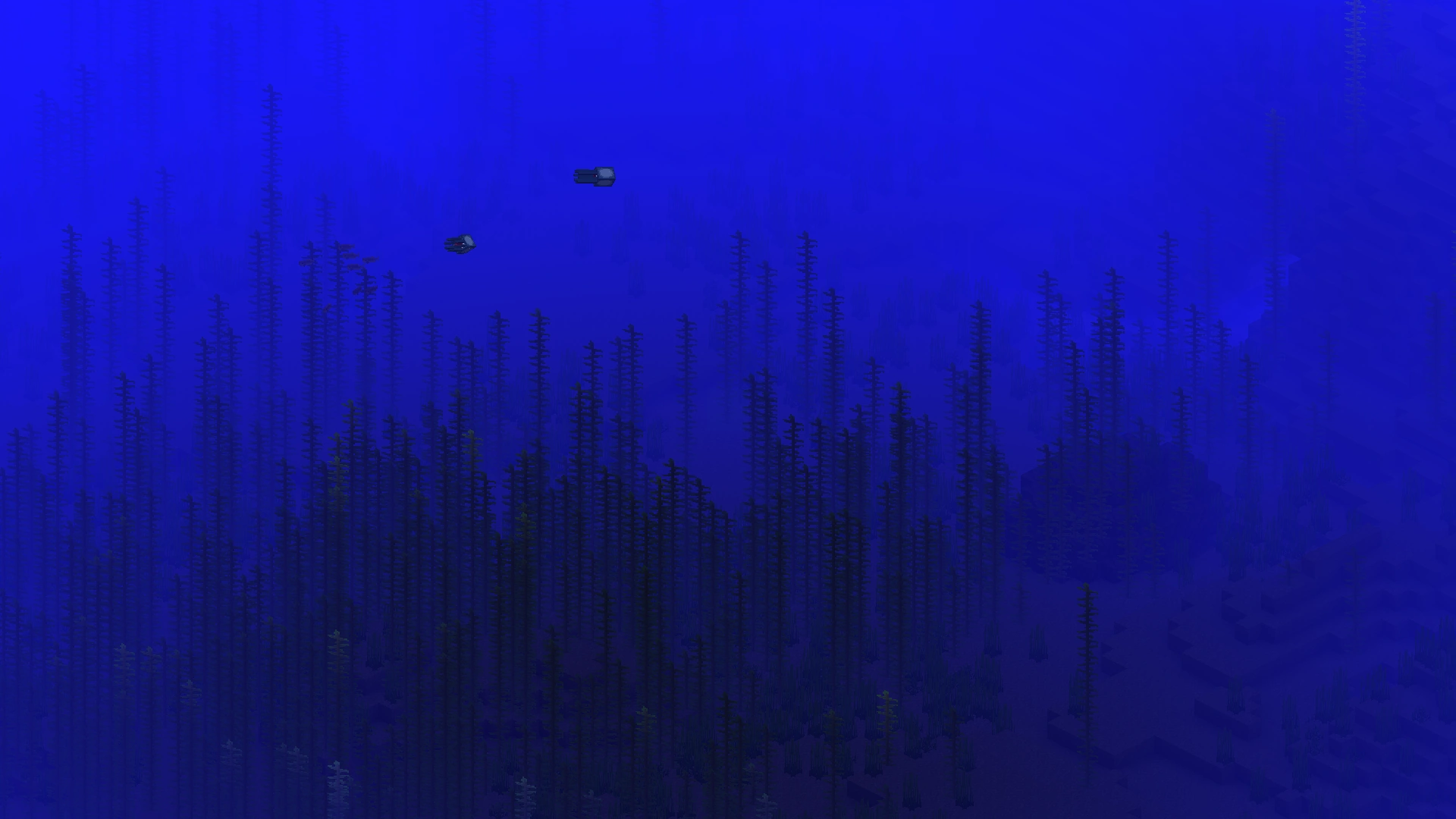
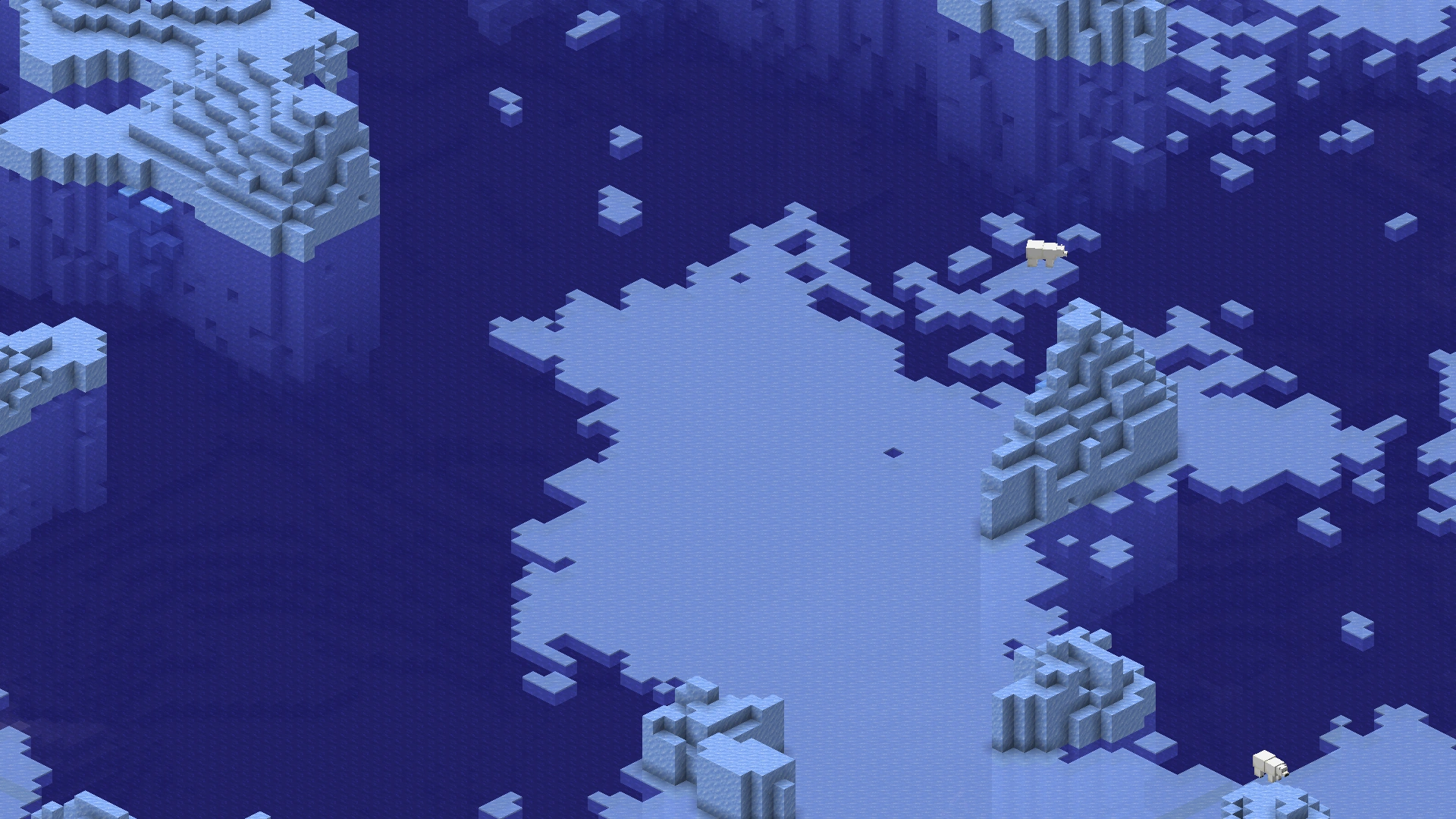

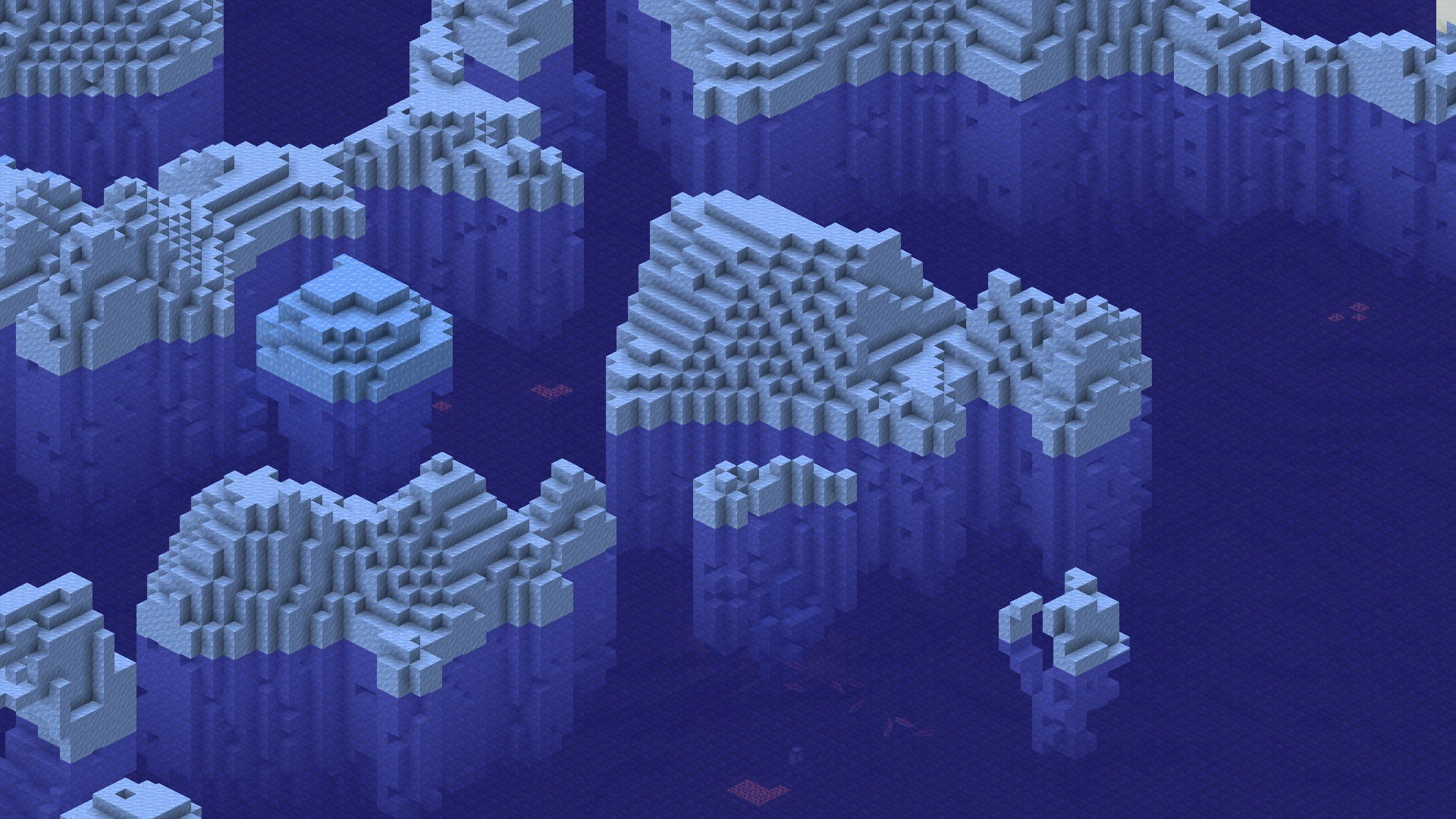
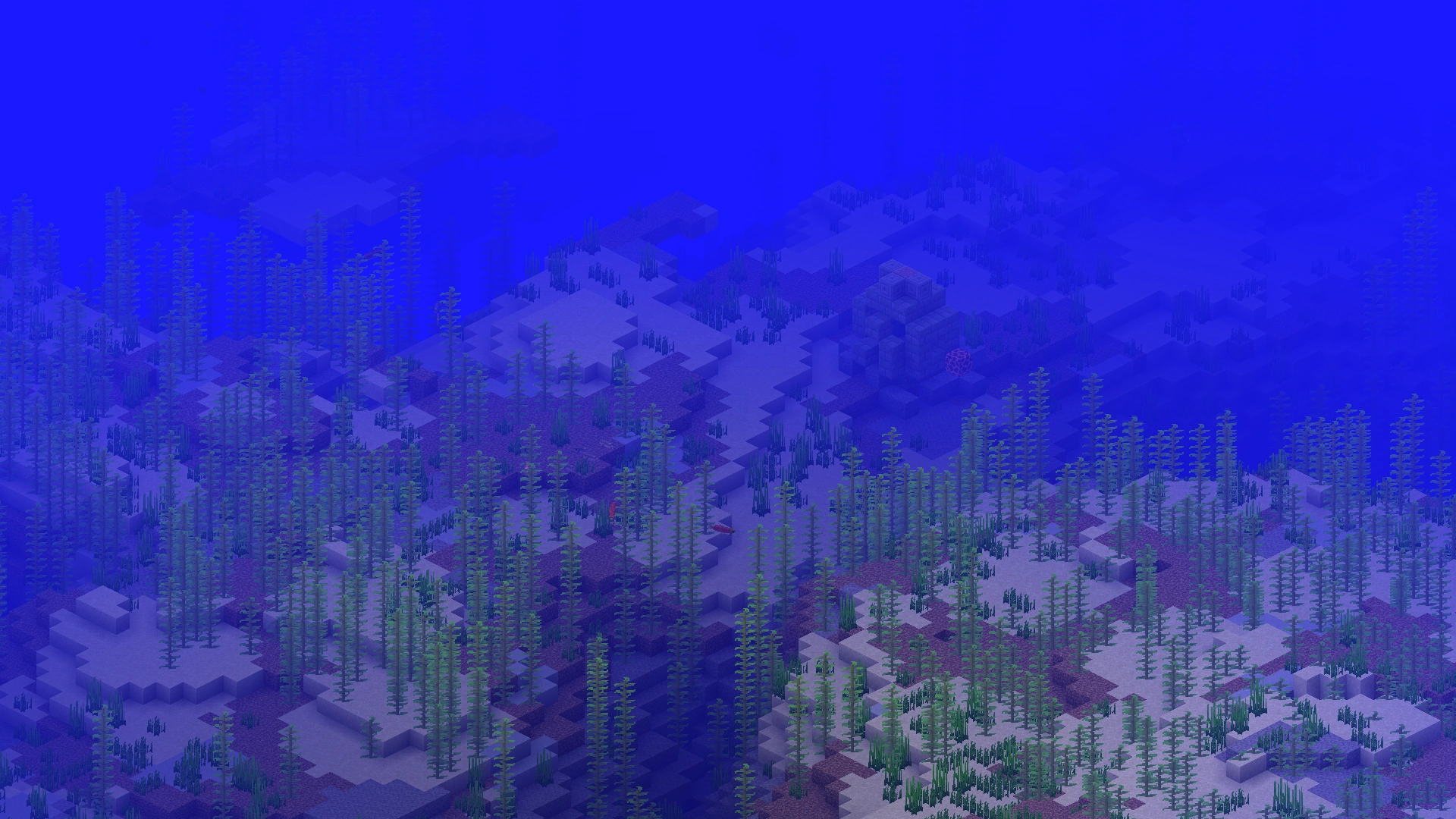
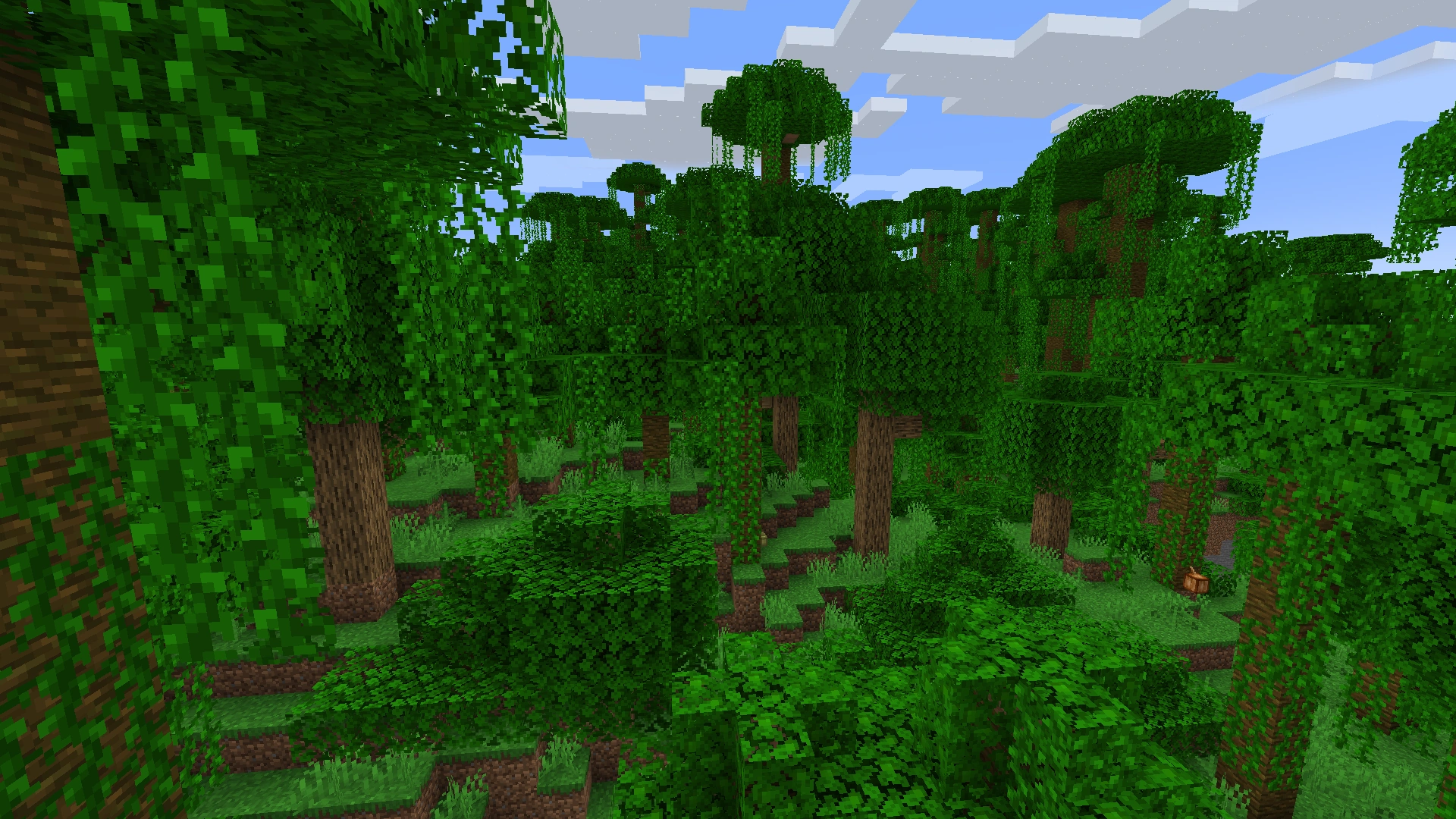
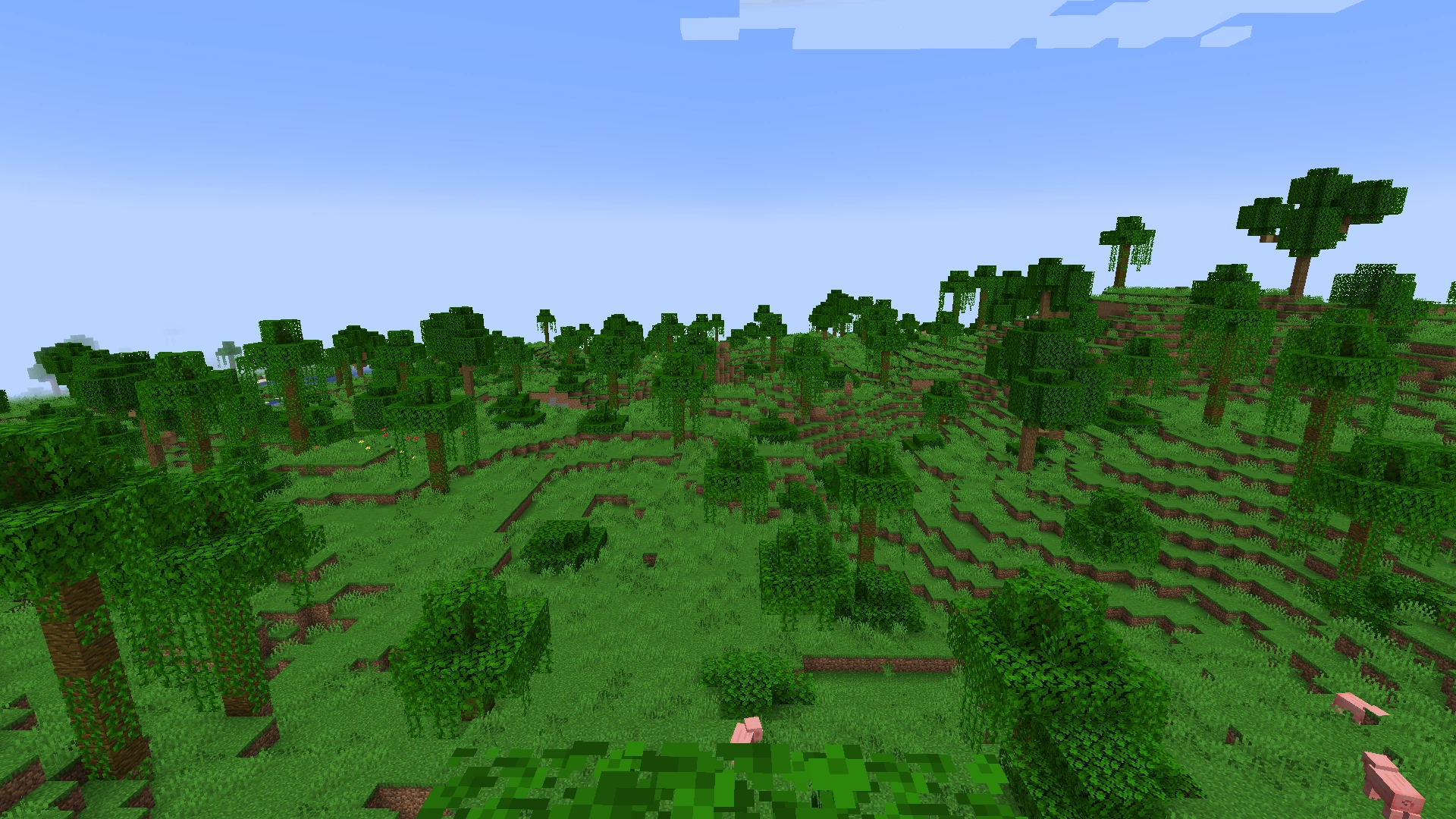
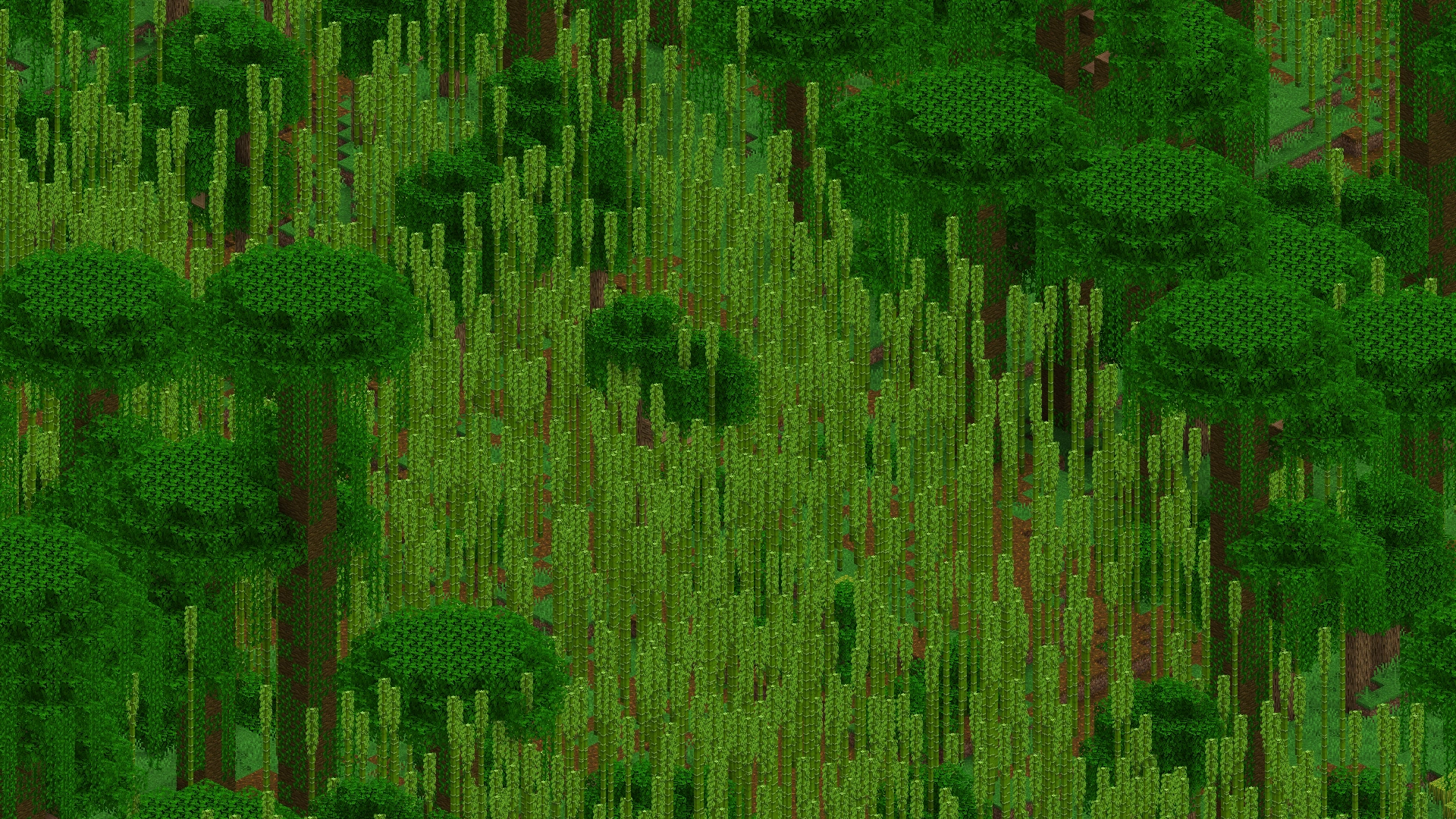
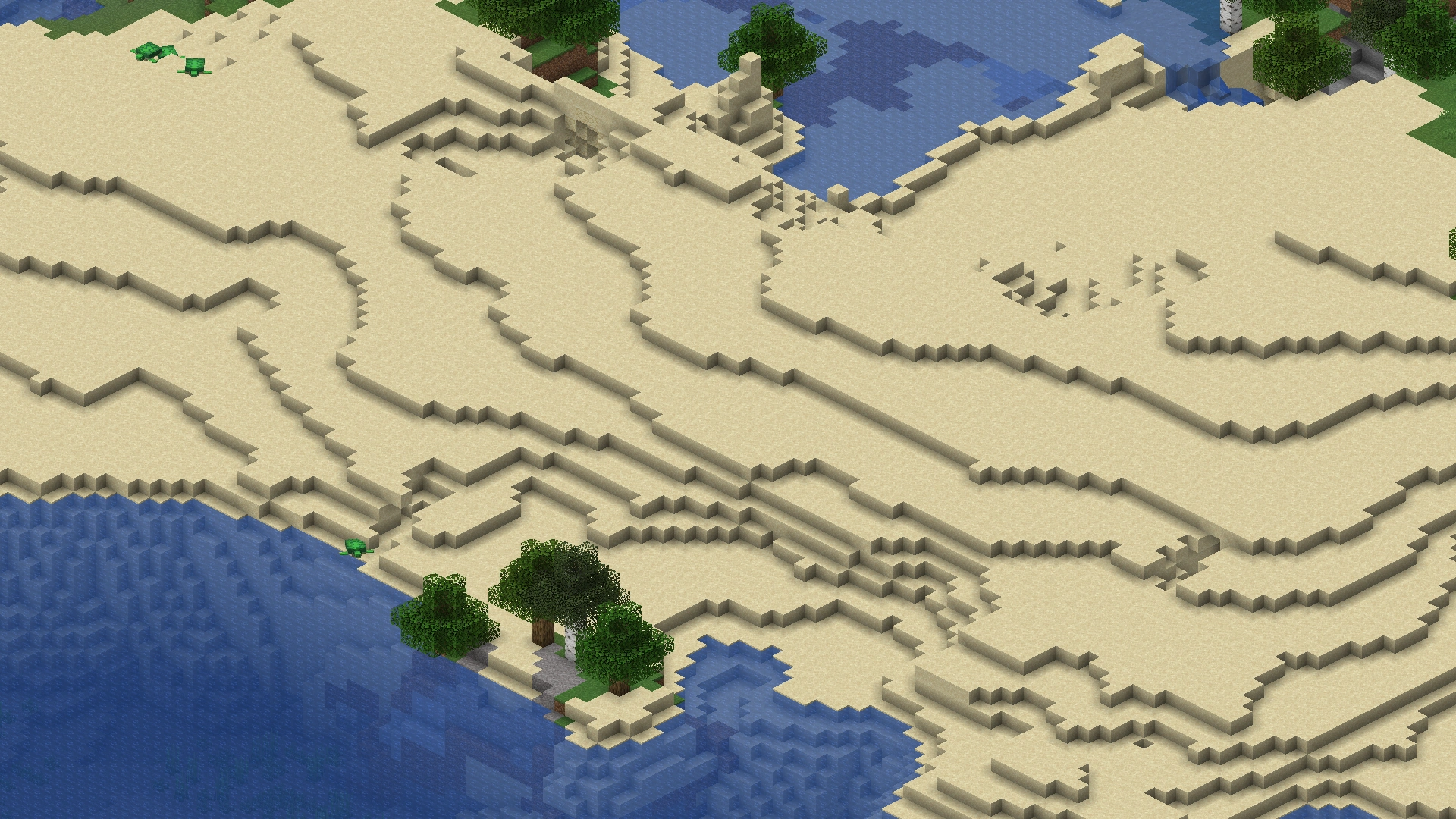


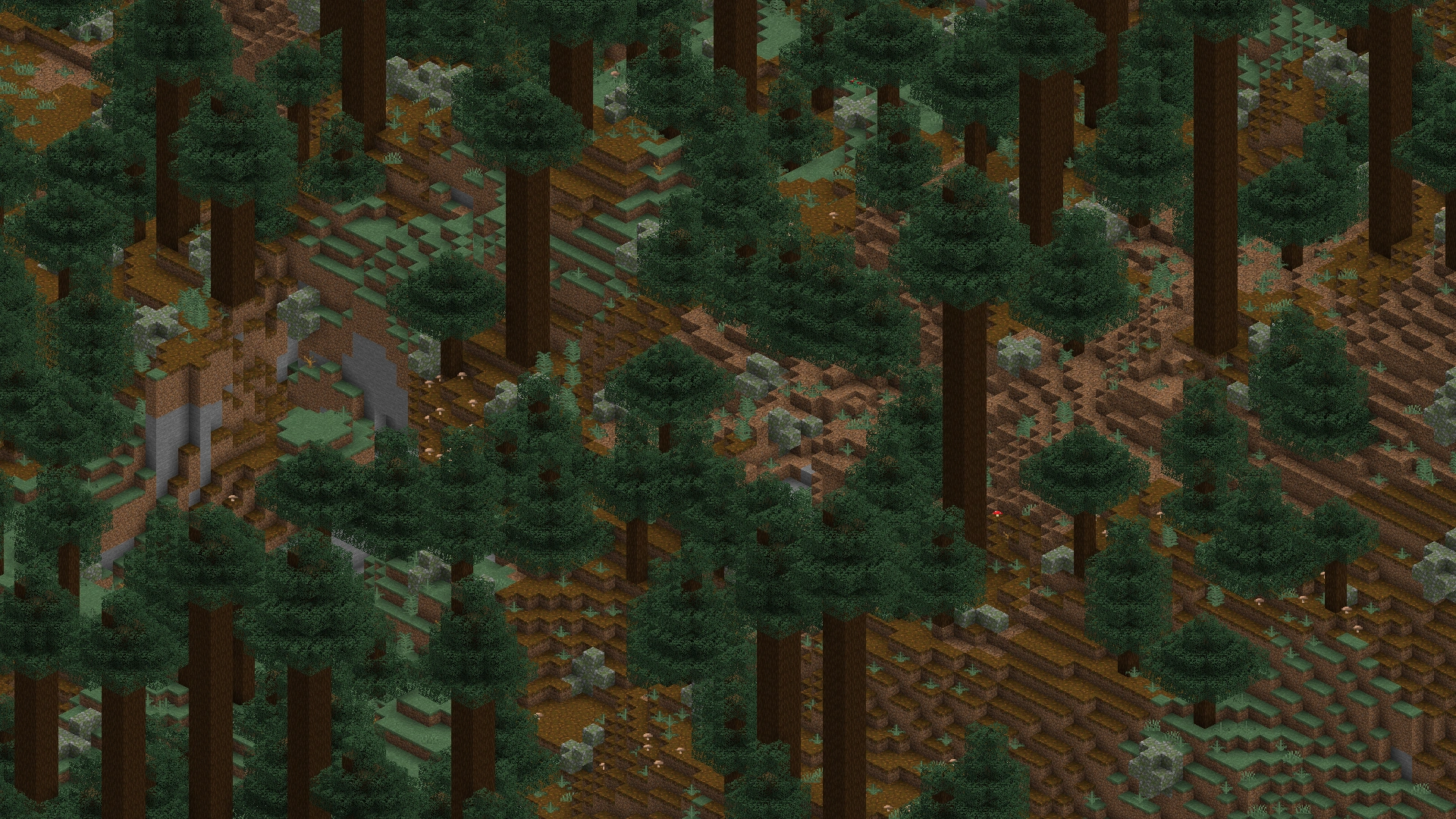
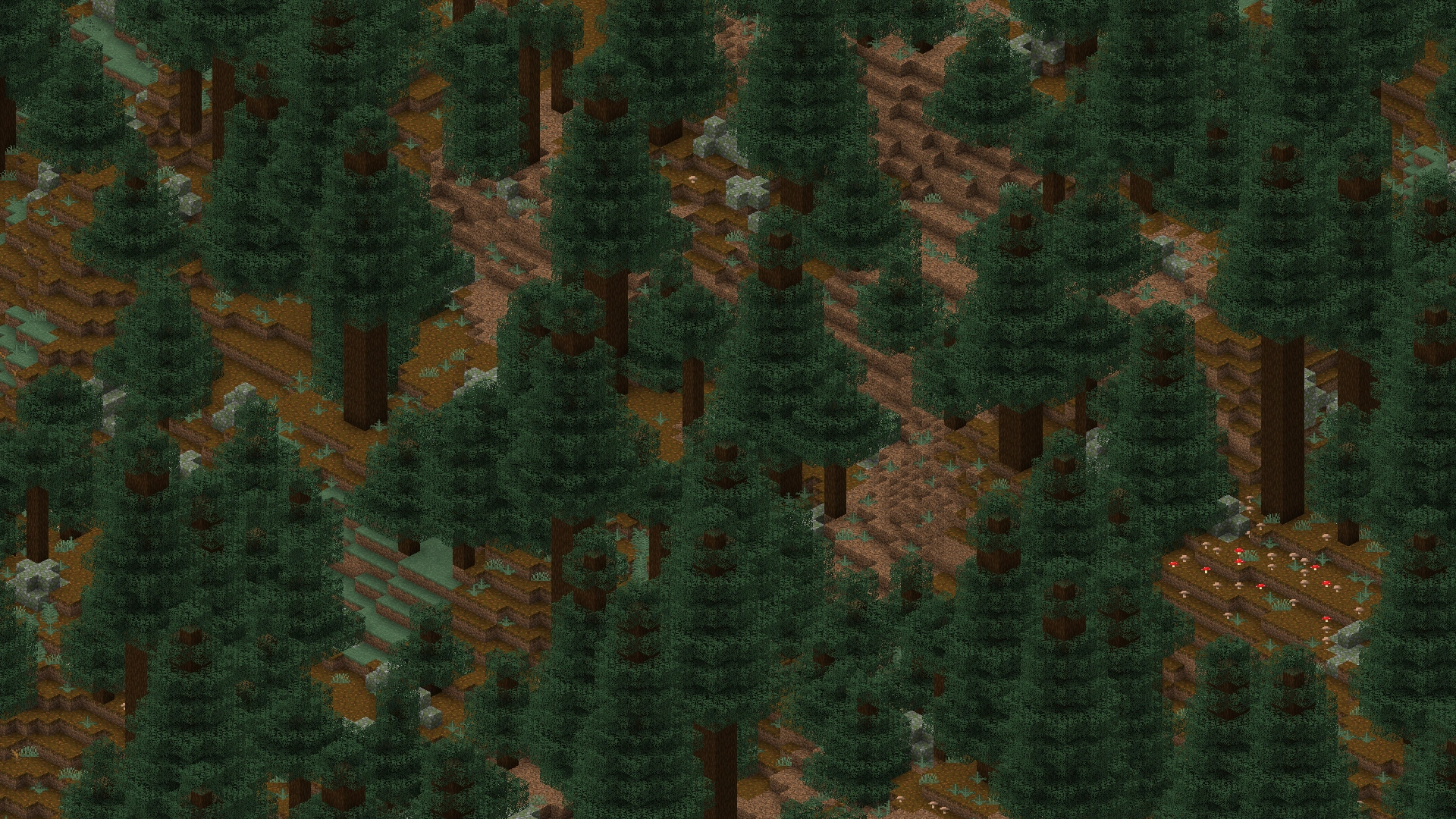
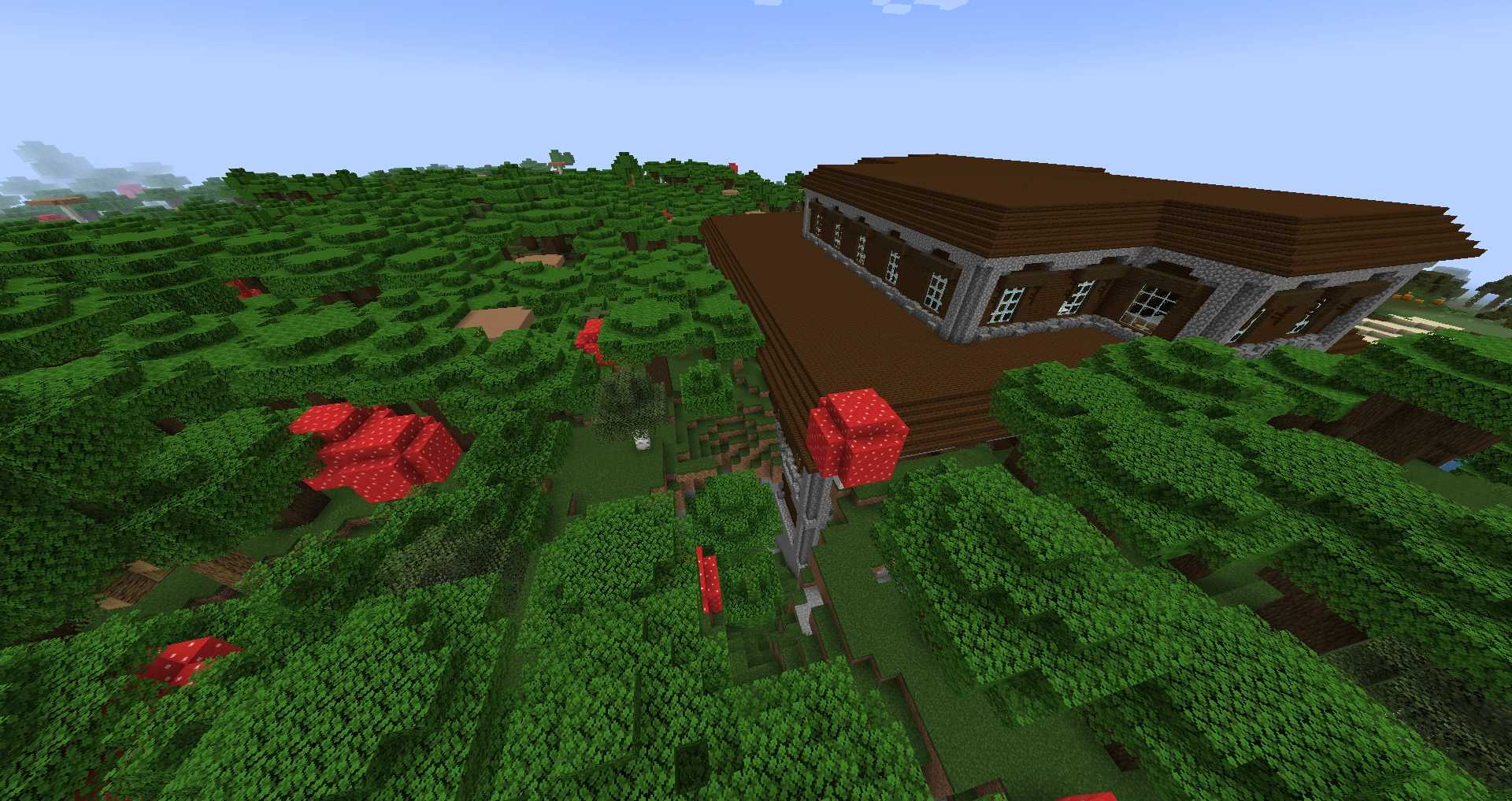
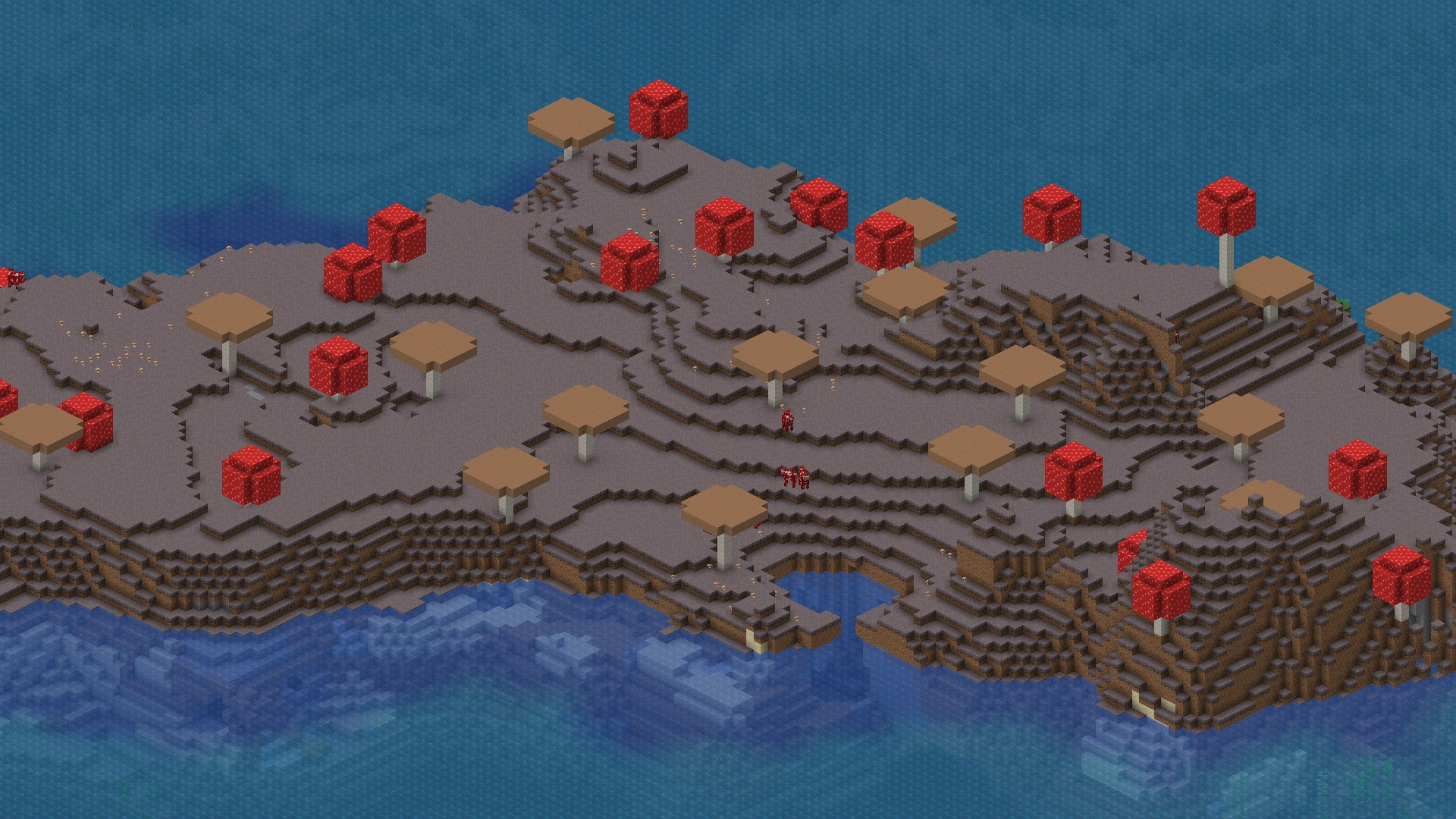
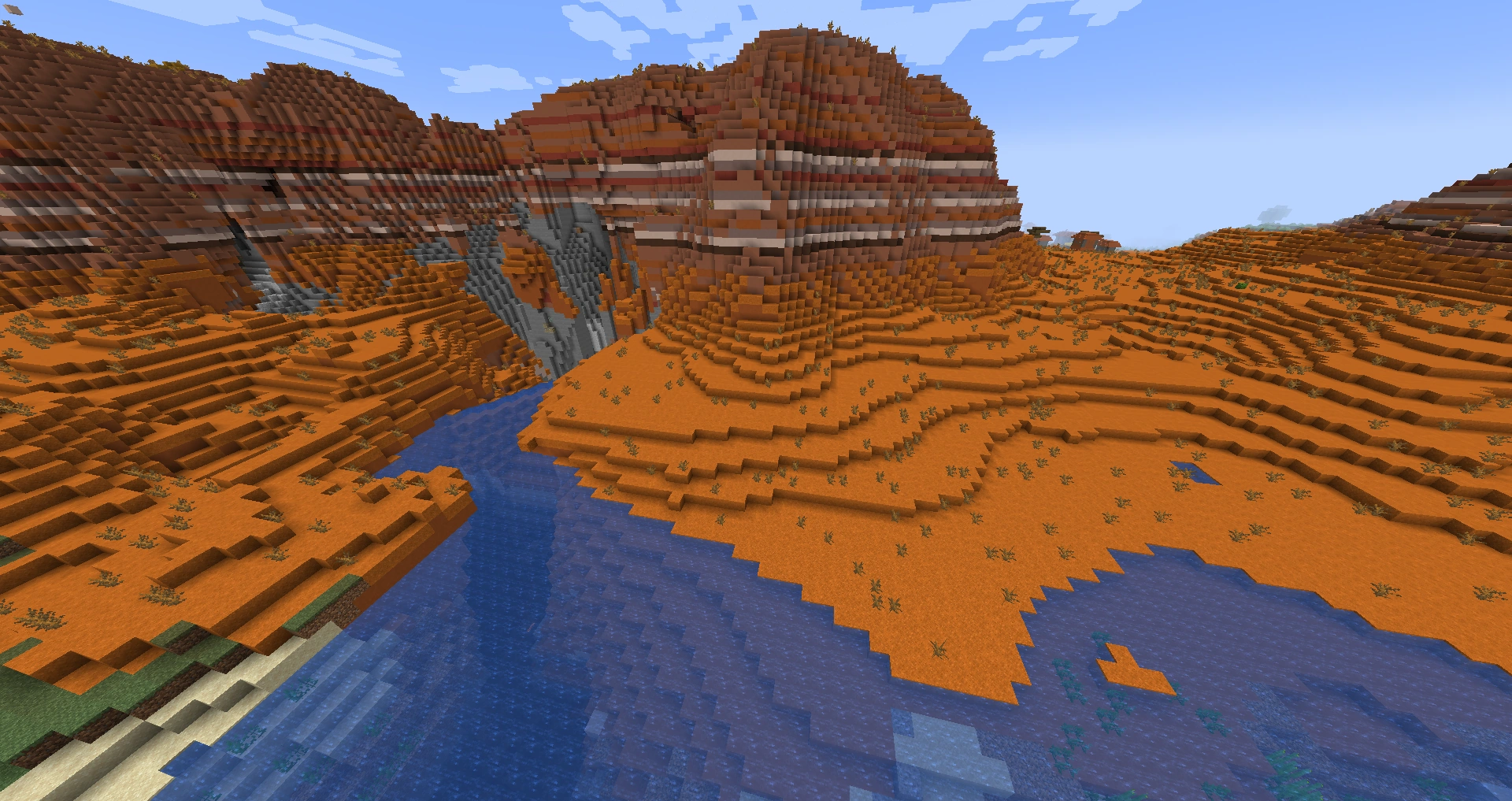
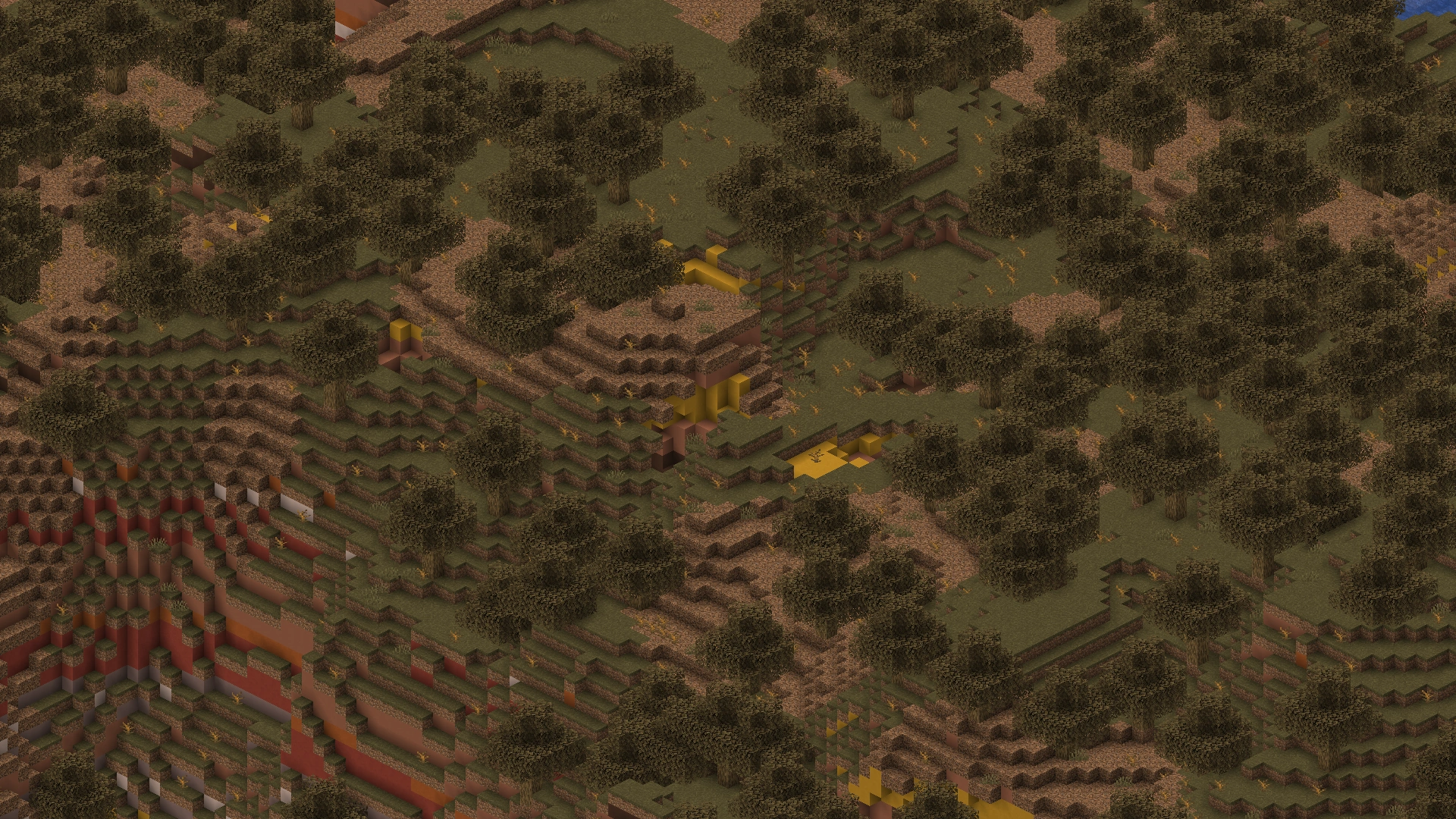
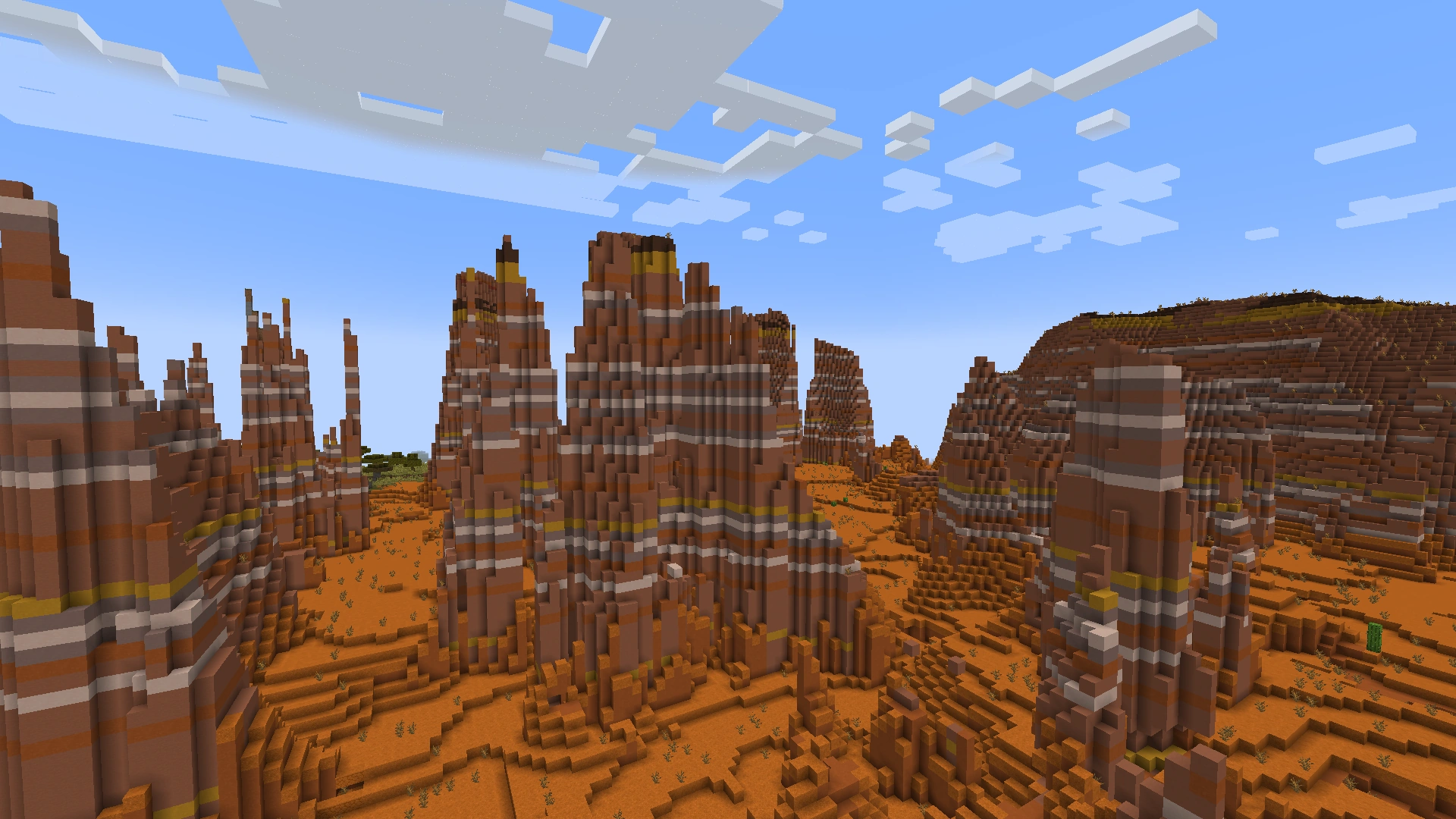
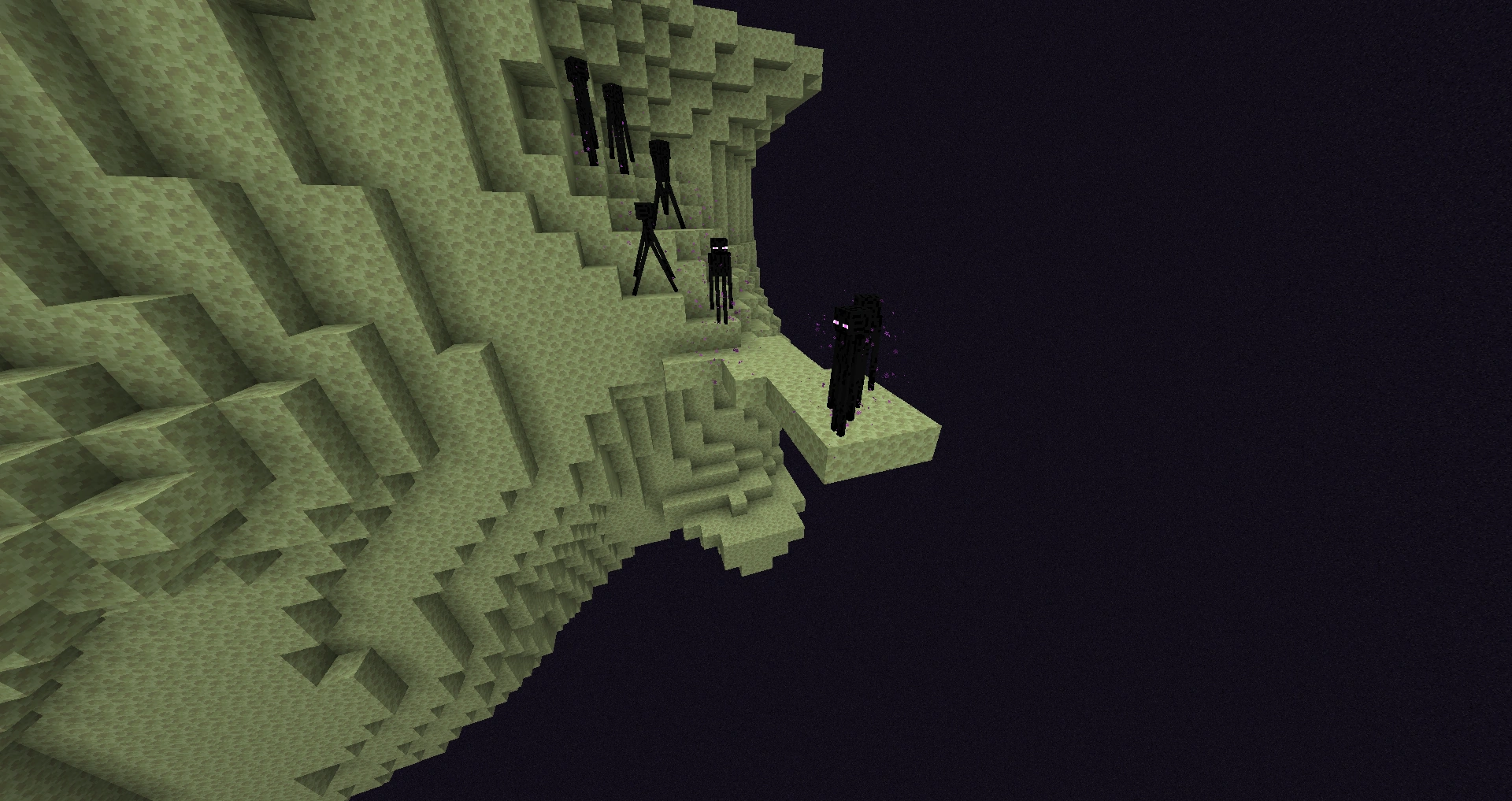
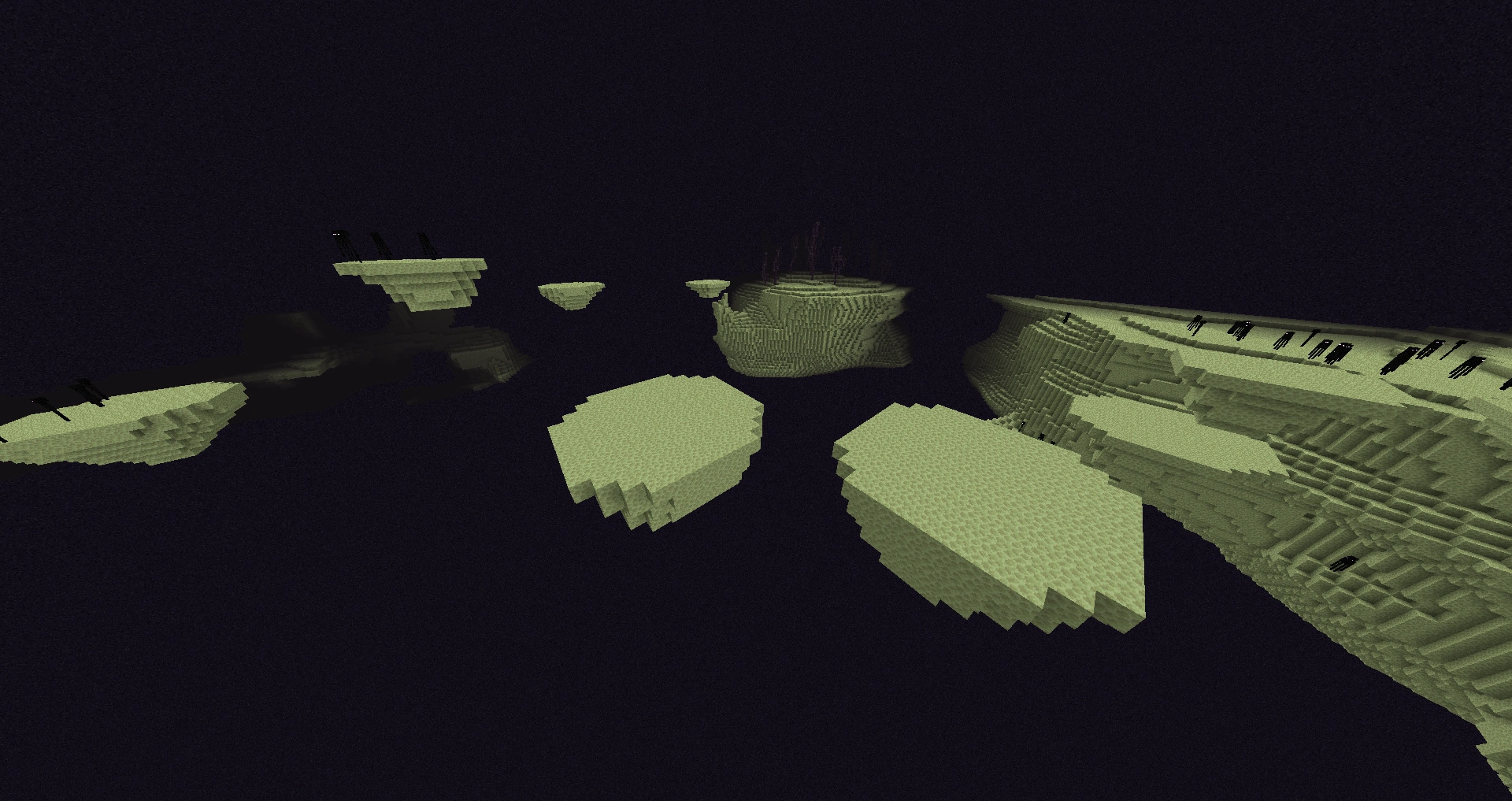
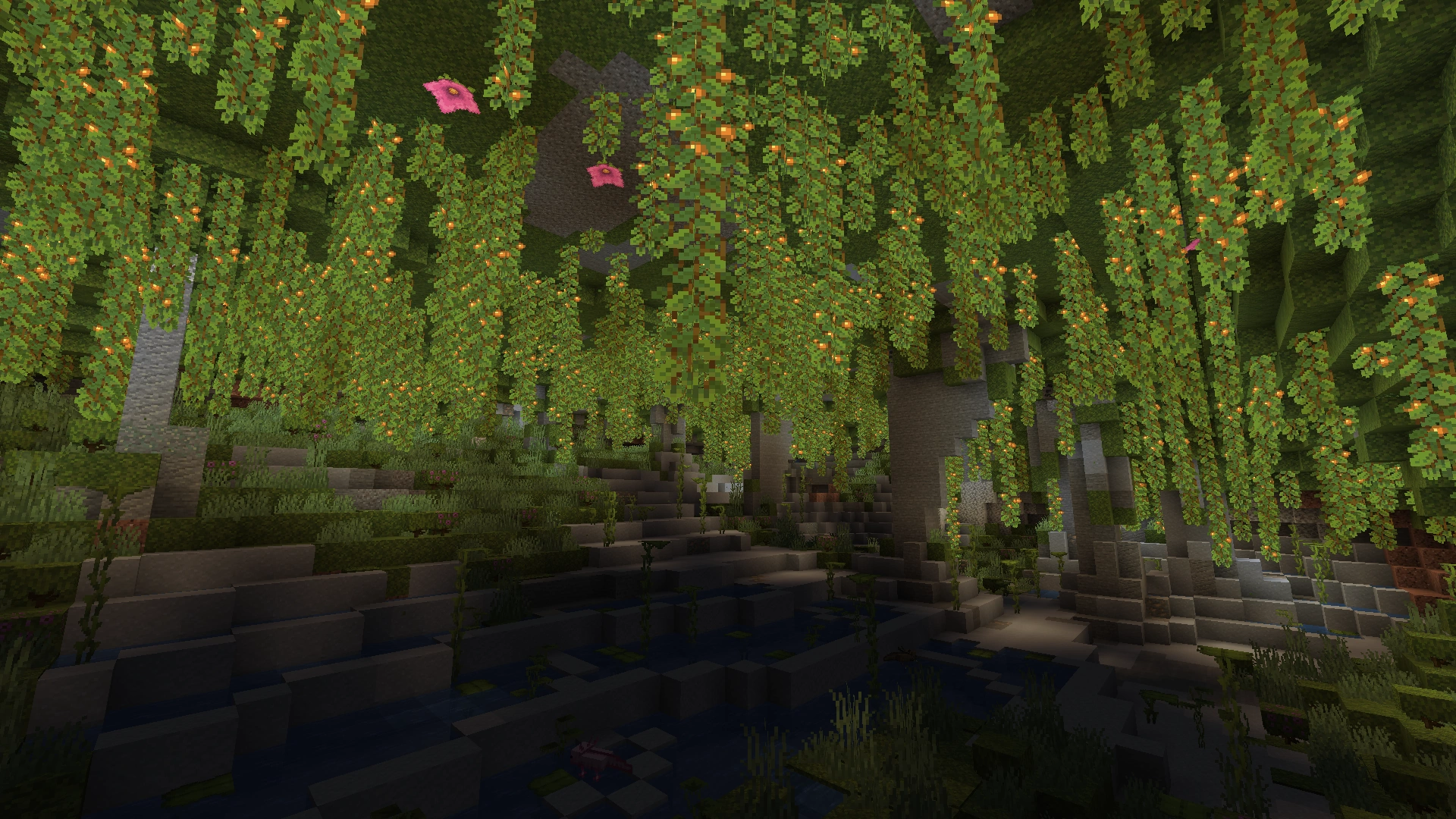
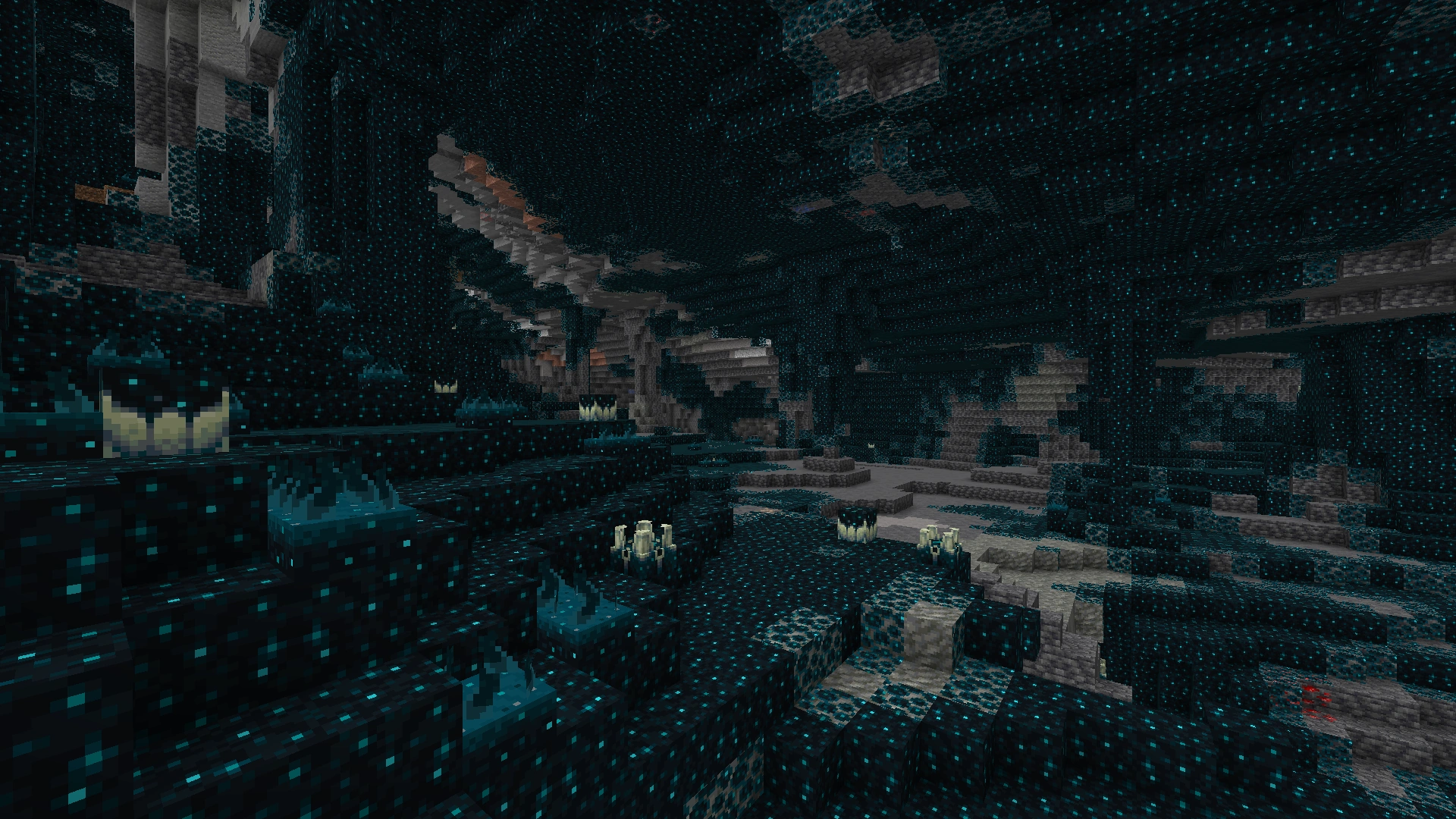
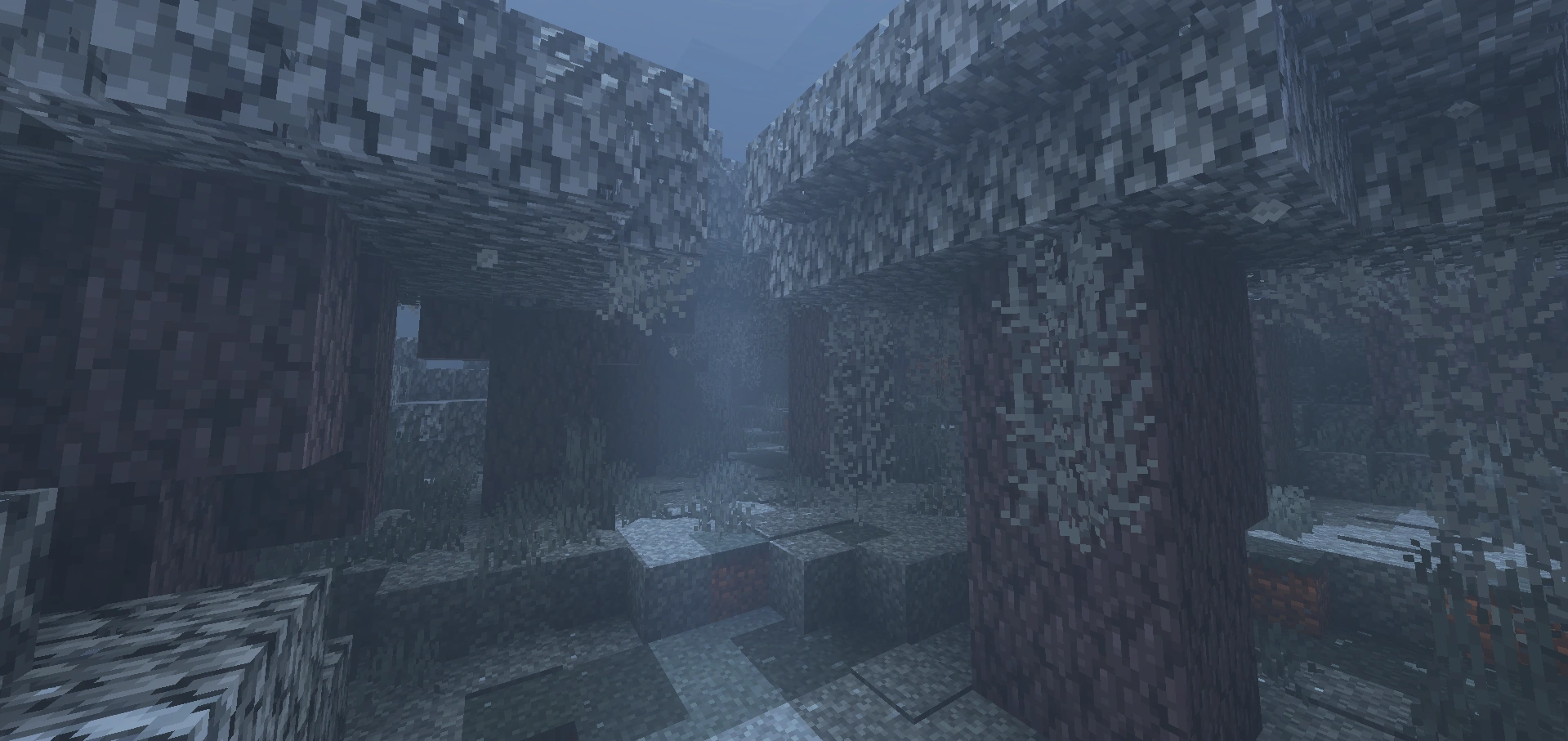
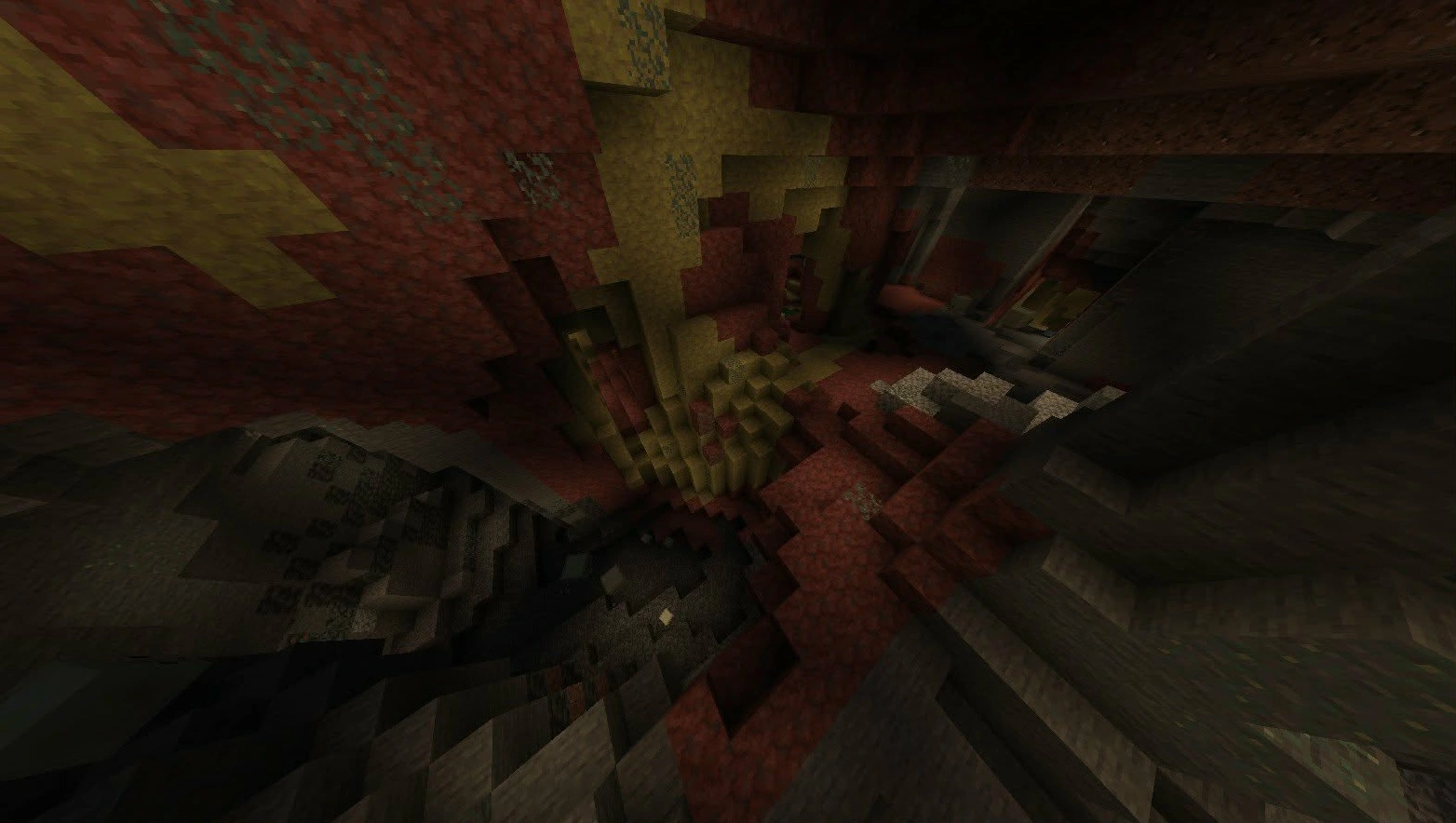
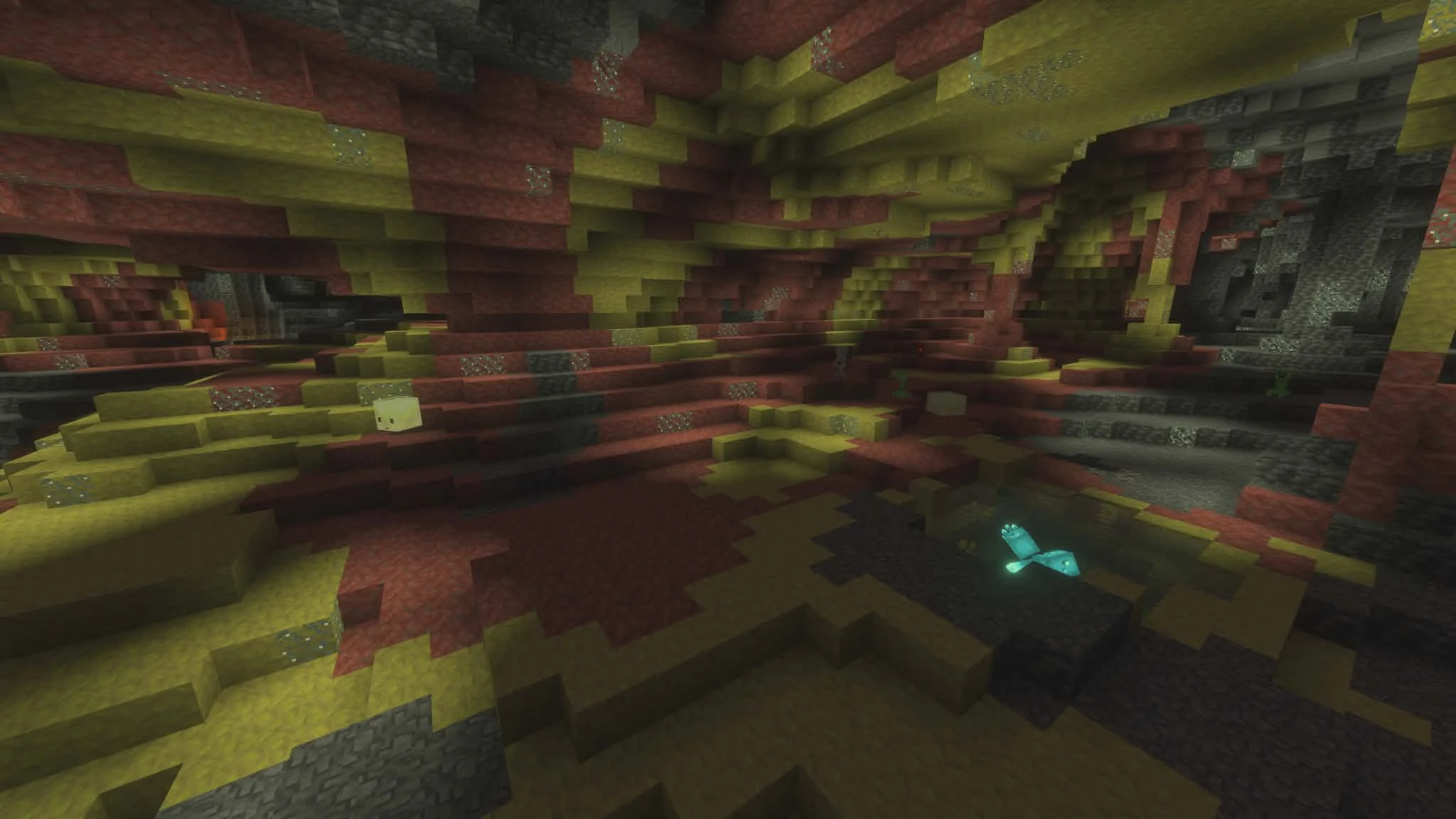
Biome IDs[]
Retrieved from Biome/ID and Biome/ID/java.
| Name | ID |
|---|---|
| The Void | 0 |
| Plains | 1 |
| Sunflower Plains | 2 |
| Snowy Plains | 3 |
| Ice Spikes | 4 |
| Desert | 5 |
| Swamp | 6 |
| Mangrove Swamp | 7 |
| Forest | 8 |
| Flower Forest | 9 |
| Birch Forest | 10 |
| Dark Forest | 11 |
| Old Growth Birch Forest | 12 |
| Old Growth Pine Taiga | 13 |
| Old Growth Spruce Taiga | 14 |
| Taiga | 15 |
| Snowy Taiga | 16 |
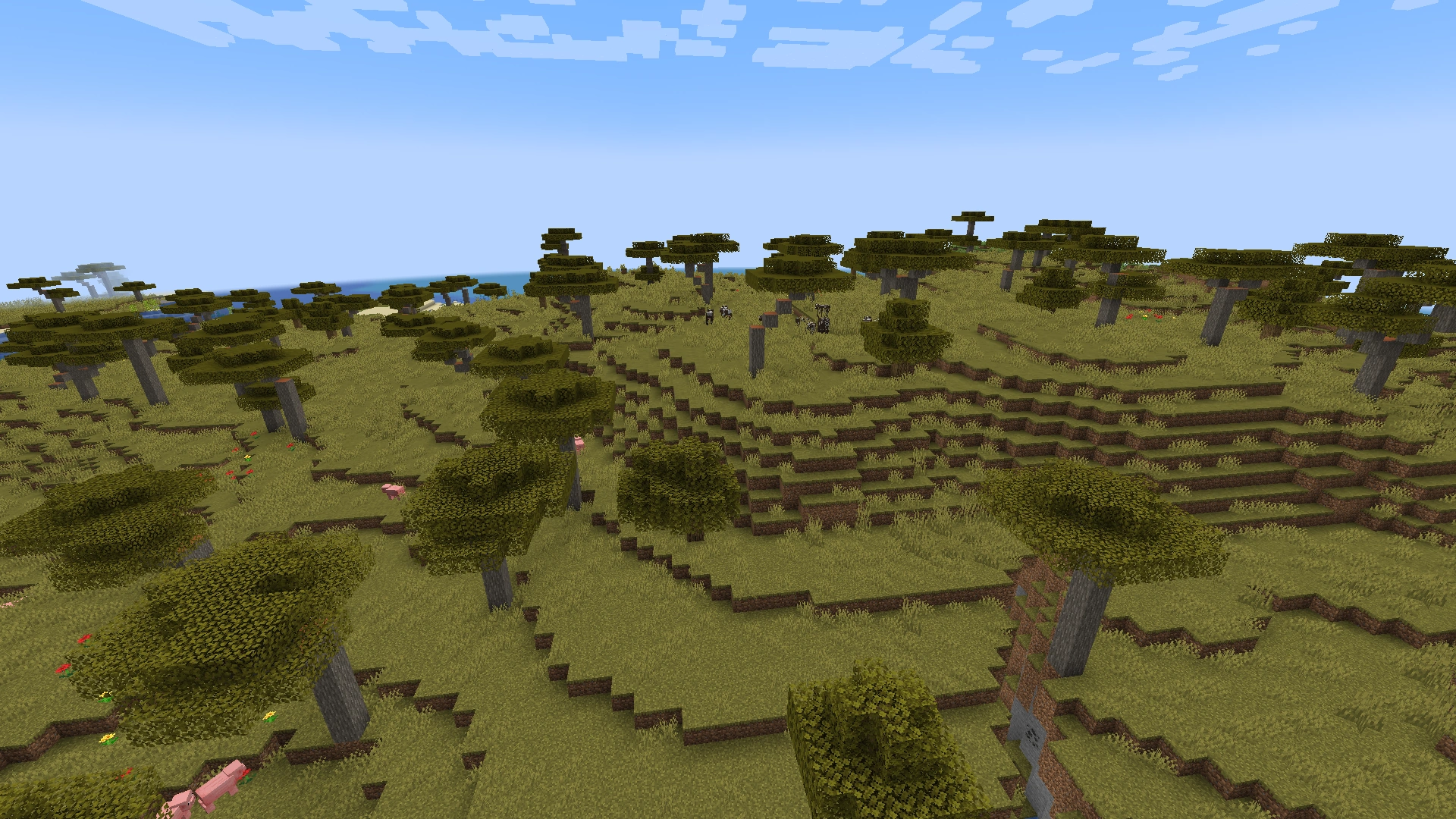
| Savanna | 17 |
| Savanna Plateau | 18 |
| Windswept Hills | 19 |
| Windswept Gravelly Hills | 20 |
| Windswept Forest | 21 |
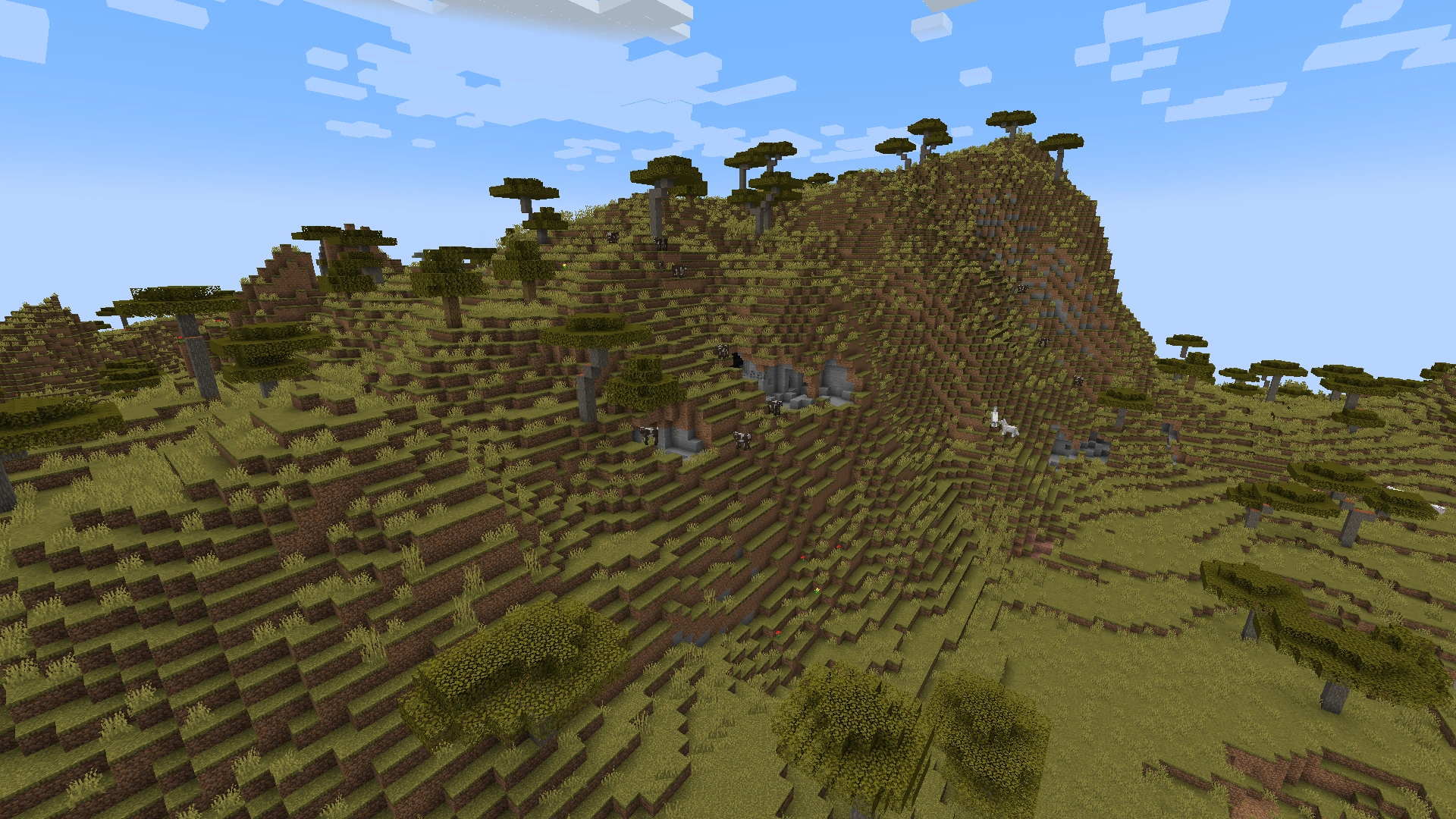
| Windswept Savanna | 22 |
| Jungle | 23 |
| Sparse Jungle | 24 |
| Bamboo Jungle | 25 |
| Badlands | 26 |
| Eroded Badlands | 27 |
| Wooded Badlands | 28 |
| Meadow | 29 |
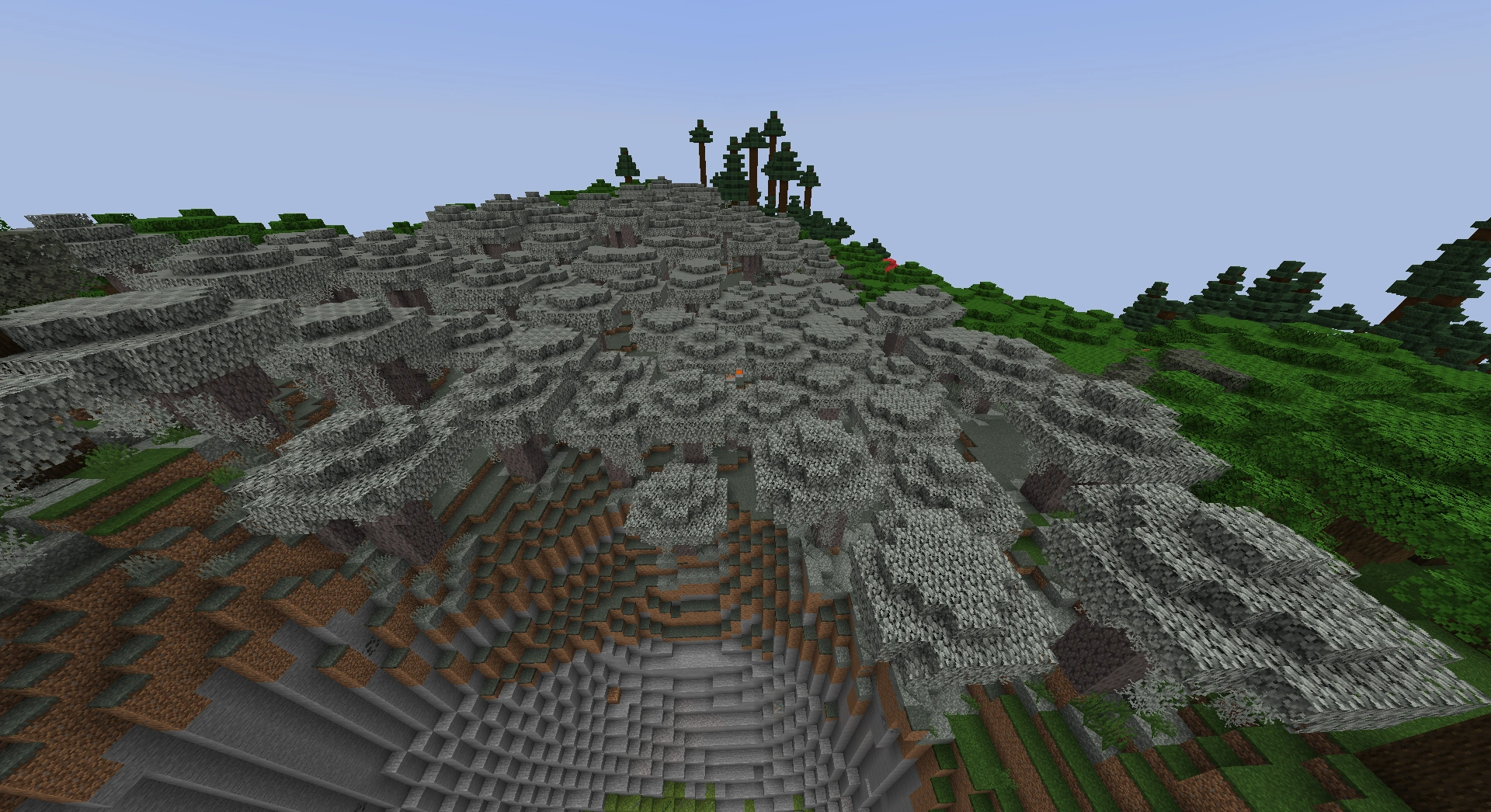
| Cherry Grove | 30 |
| Grove | 31 |
| Snowy Slopes | 32 |
| Frozen Peaks | 33 |
| Jagged Peaks | 34 |
| Stony Peaks | 35 |
| River | 36 |
| Frozen River | 37 |
| Beach | 38 |
| Snowy Beach | 39 |
| Stony Shore | 40 |
| Warm Ocean | 41 |
| Lukewarm Ocean | 42 |
| Deep Lukewarm Ocean | 43 |
| Ocean | 44 |
| Deep Ocean | 45 |
| Cold Ocean | 46 |
| Deep Cold Ocean | 47 |
| Frozen Ocean | 48 |
| Deep Frozen Ocean | 49 |
| Mushroom Fields | 50 |
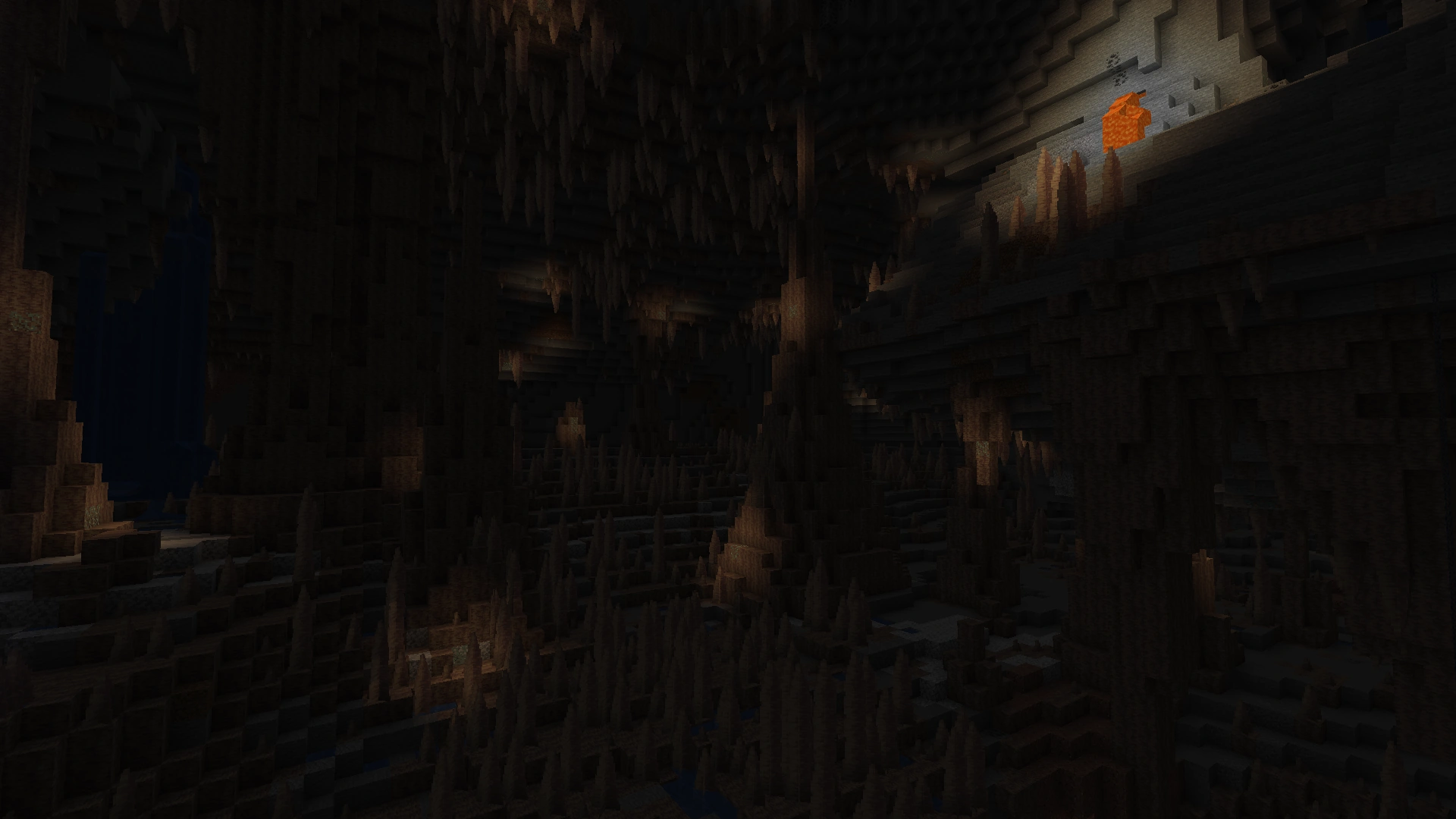
| Dripstone Caves | 51 |
| Lush Caves | 52 |
| Deep Dark | 53 |
| Nether Wastes | 54 |
| Warped Forest | 55 |
| Crimson Forest | 56 |
| Soul Sand Valley | 57 |
| Basalt Deltas | 58 |
| The End | 59 |
| End Highlands | 60 |
| End Midlands | 61 |
| Small End Islands | 62 |
| End Barrens | 63 |
Biome exp[]
Curious. I am using #dplreplace to remove the BiomeSprite. If a <br> is used before the link, it works fine; however if the link is dropped down to the next line, the #dplreplace doesn't work - even if [.\n] is used instead of "."
Highland biomes are biomes with high Y-level, rugged terrain, and snow-covered peaks appear above the snow line.
These biomes are further divided into two categories: Mountains and Windswept Hills.
| Biome name | Description | Screenshot |
|---|---|---|
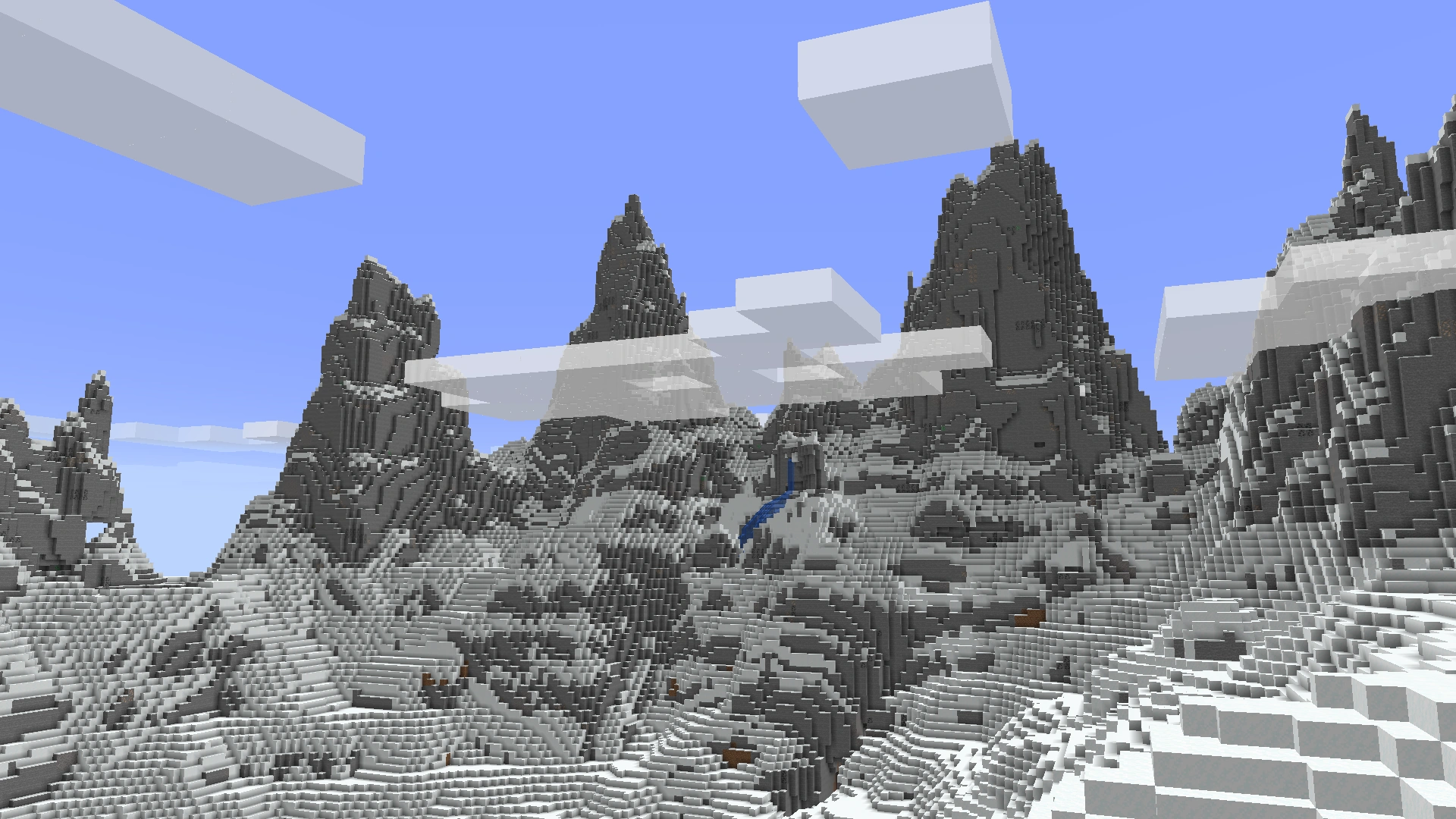
| Jagged Peaks |
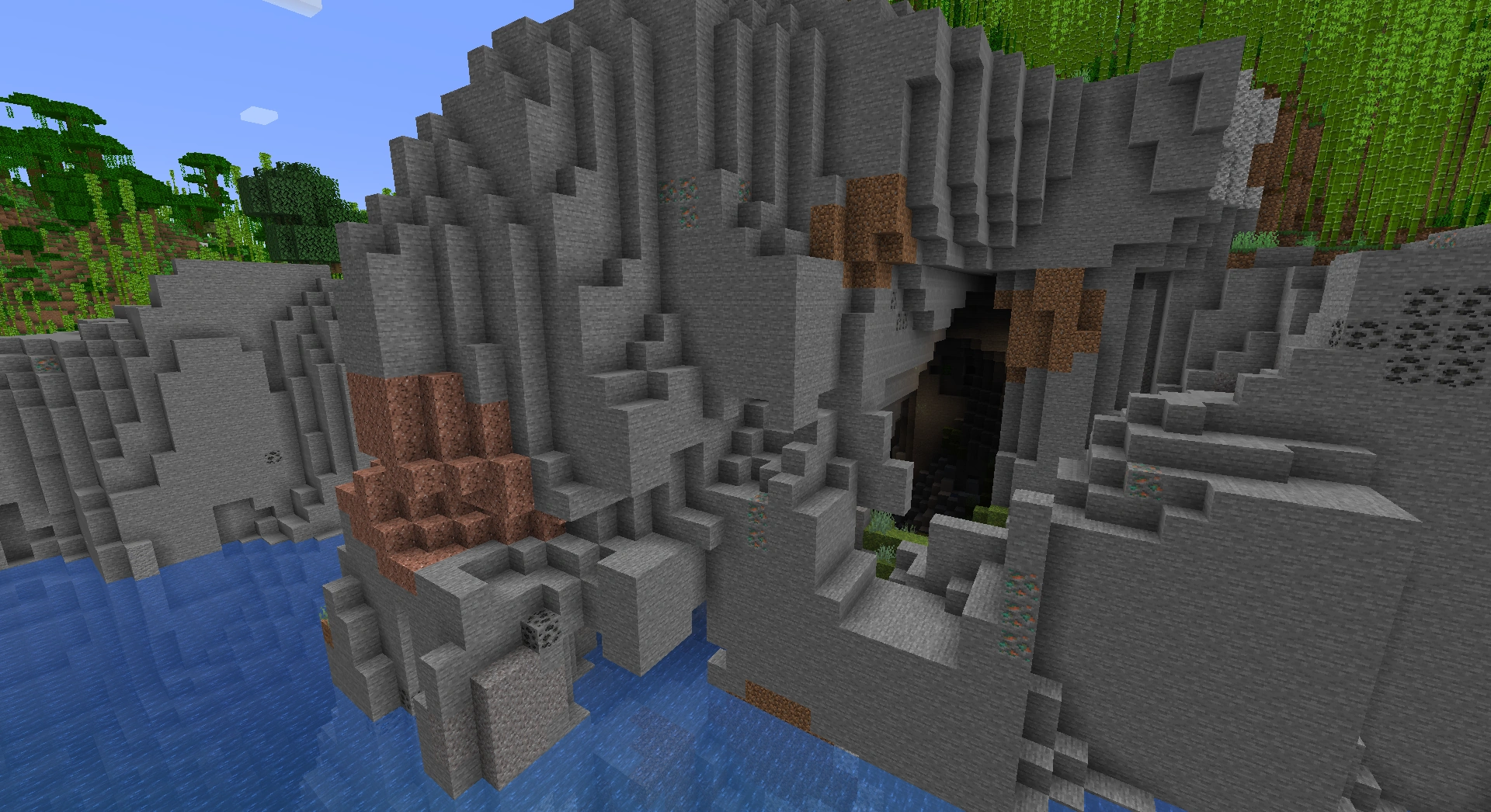
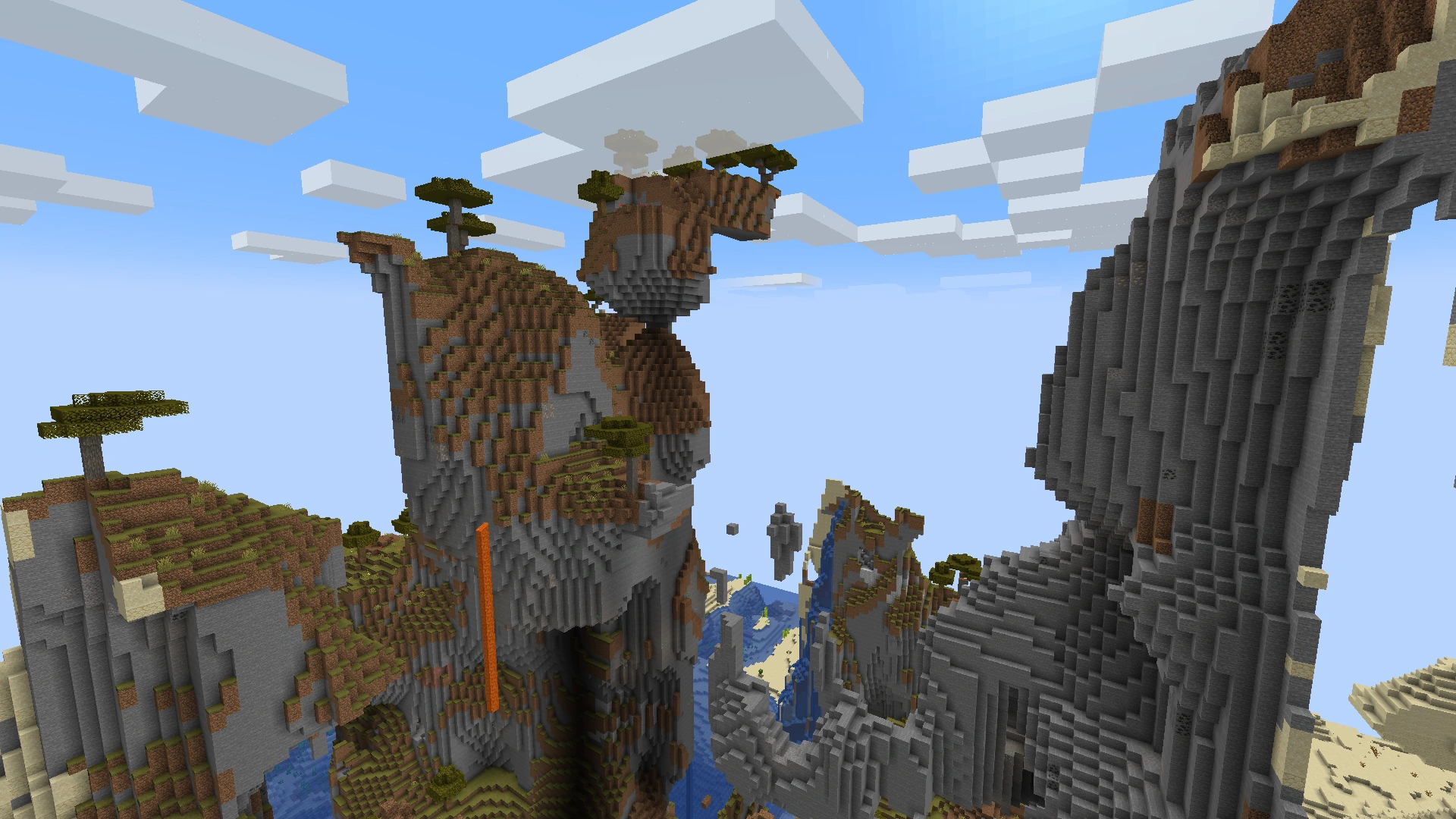
One of the three biomes that generate in the peaks of a mountain. This biome is found in taller and more jagged and pointy peaks that often pass the clouds and can peak at y=256. It is covered by a single layer of snow blocks with stone underneath often exposing ores such as coal, iron and emerald, and just like the snowy slopes, stone cliffs can generate in some sides of the mountain. Only goats spawn in this biome. |
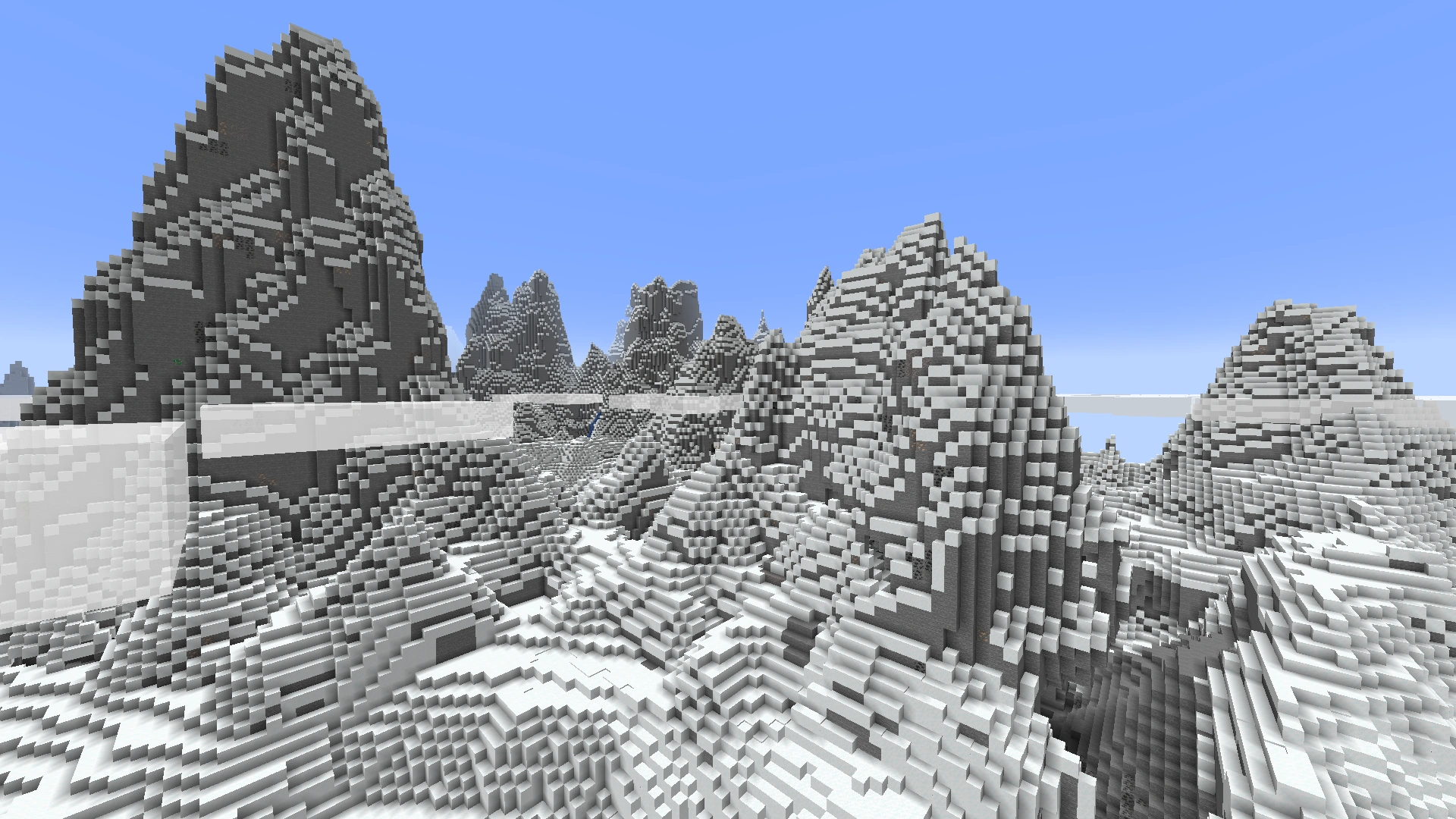 Jagged Peaks |
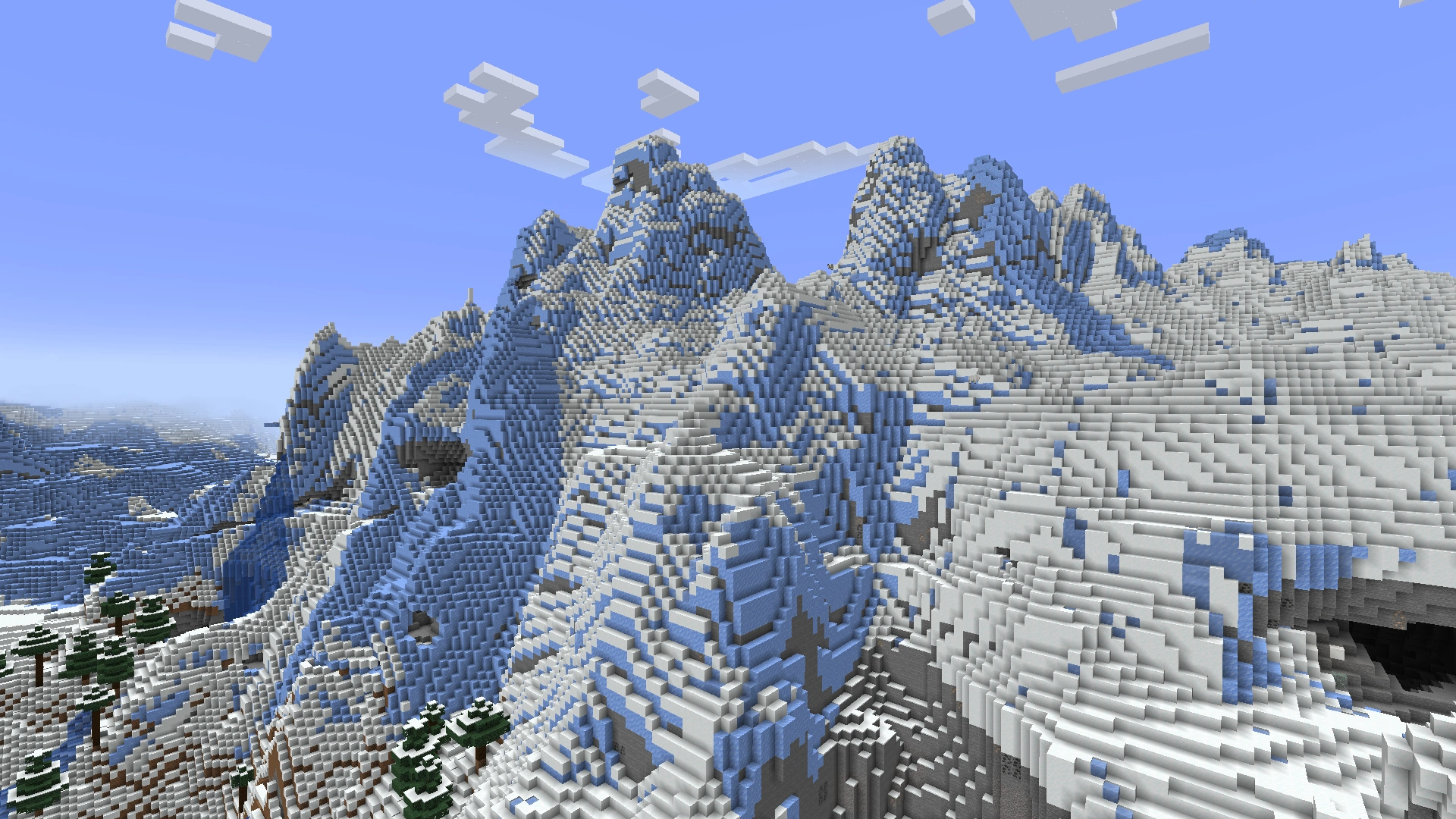
| Frozen Peaks |
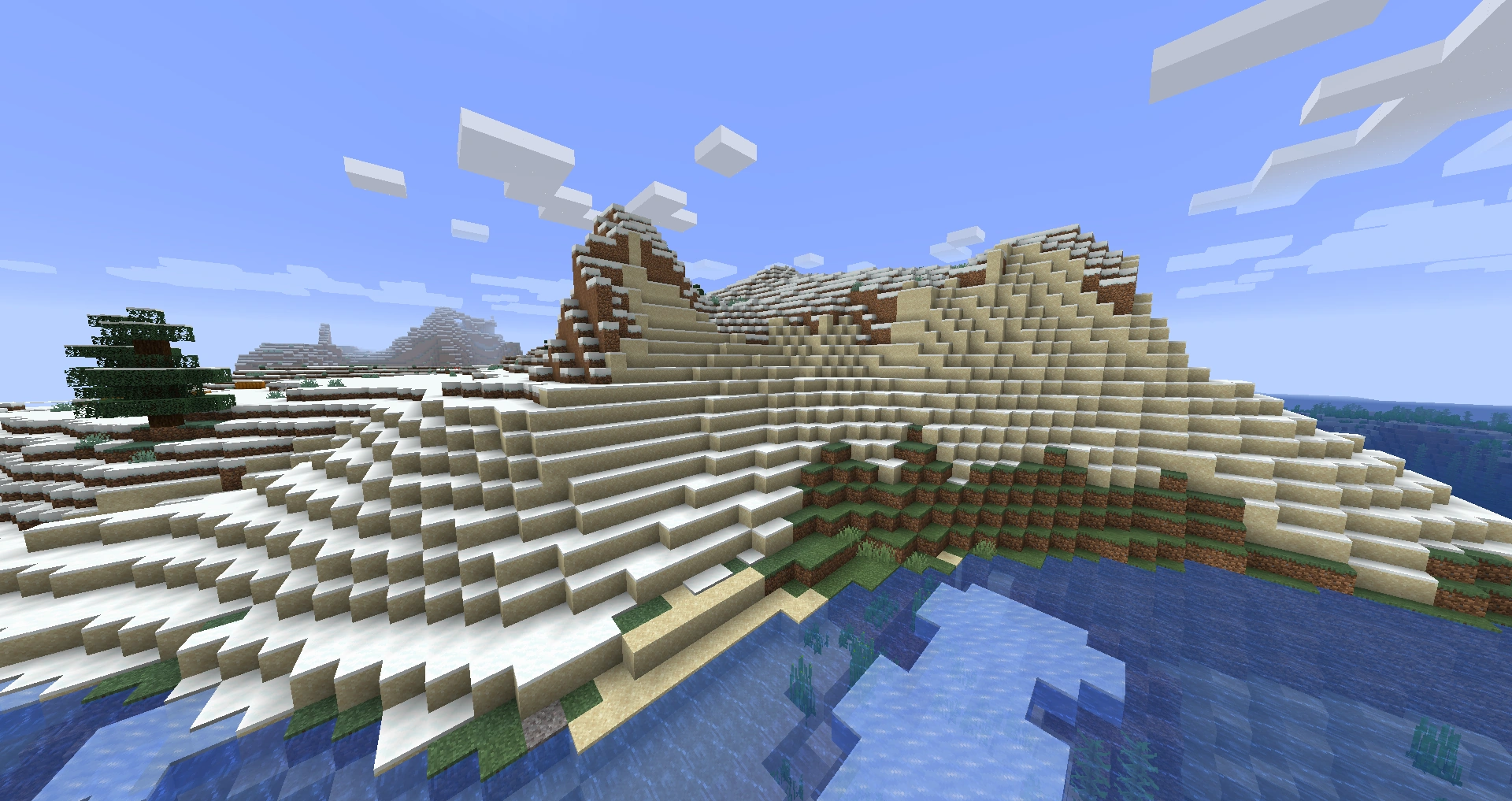
The frozen peaks are covered by snow blocks and packed ice with occasional small blobs of ice. This biome usually generates in smoother and less jagged mountains compared to the jagged peaks biome. Only goats can spawn in this biome. |
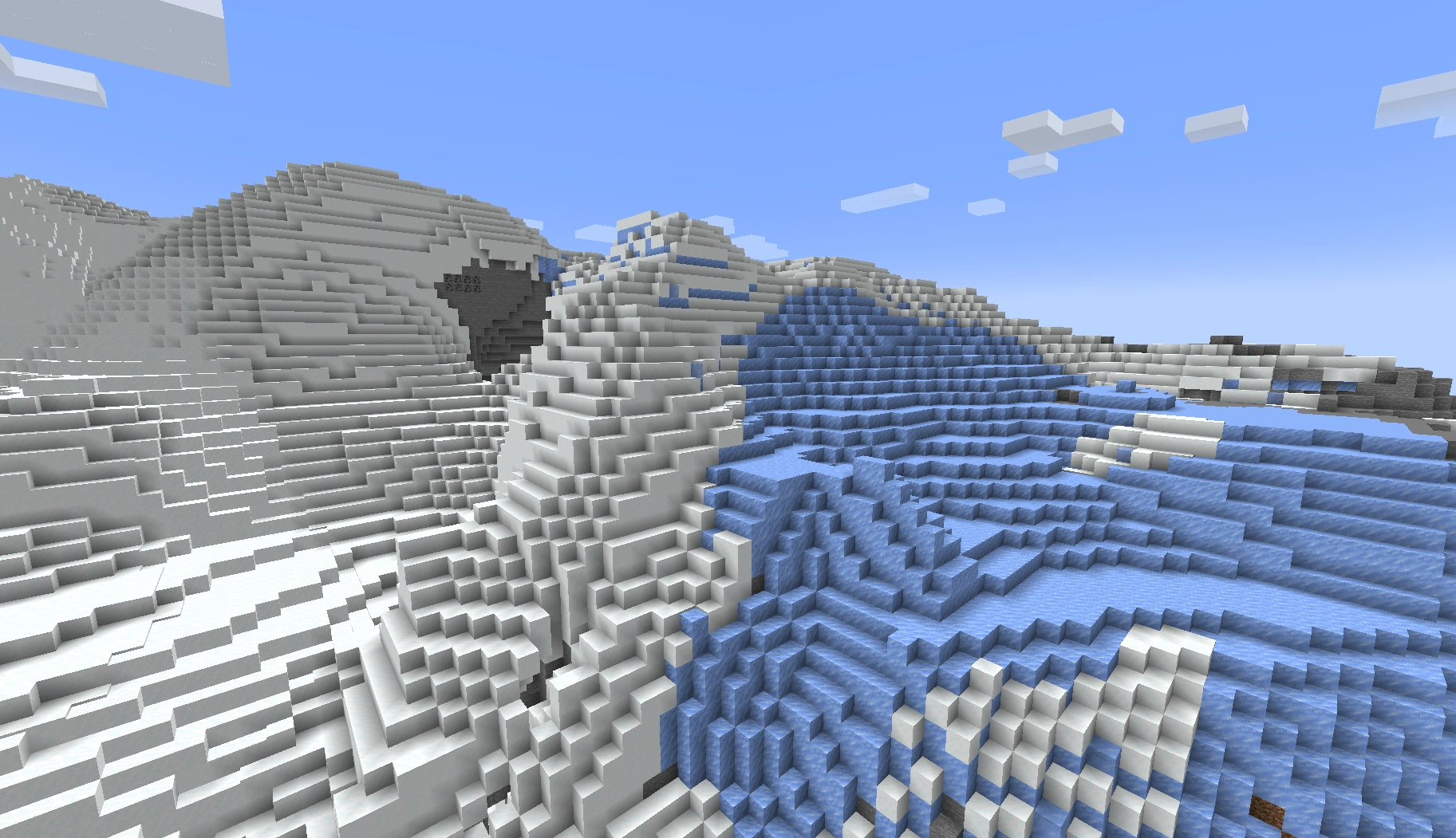 Frozen Peaks |
| Stony Peaks |
The stony peaks are a warmer variation of peak biomes that generates in warmer regions to avoid temperature clashes. It is mainly covered by stone with large strips of calcite and exposed ores. No passive mobs spawn in this biome, and there's no snow. |
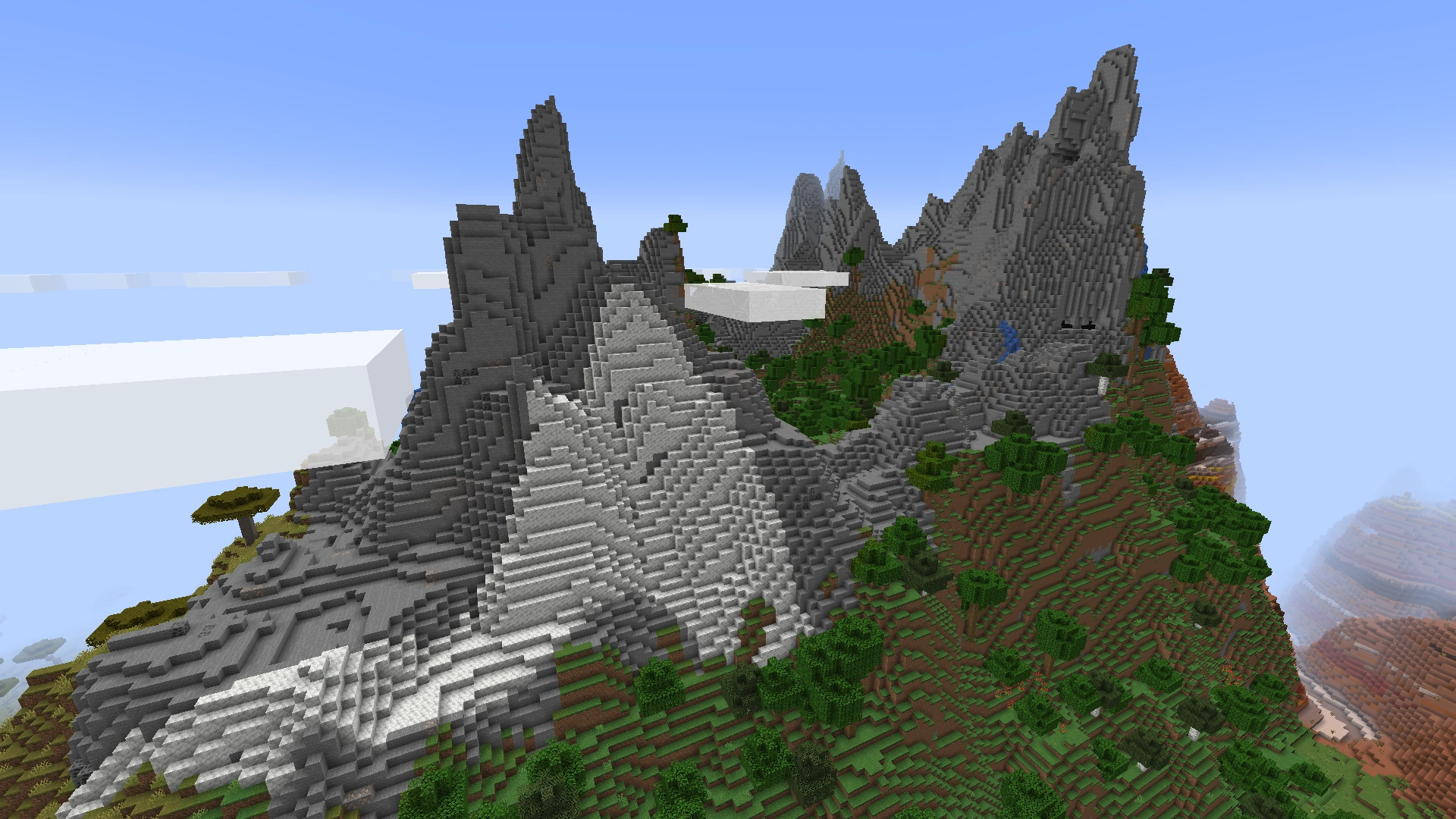 Stony Peaks |
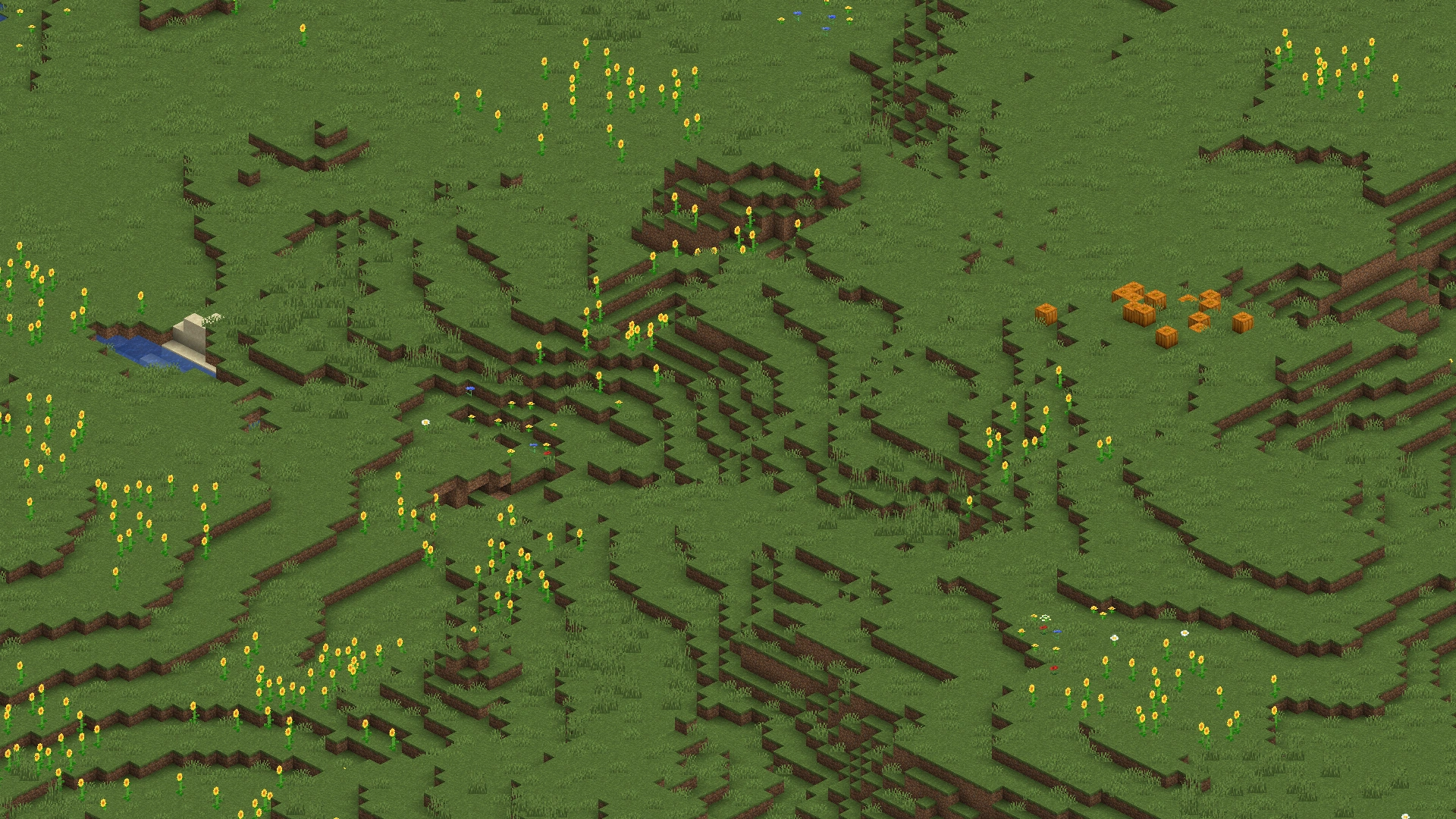
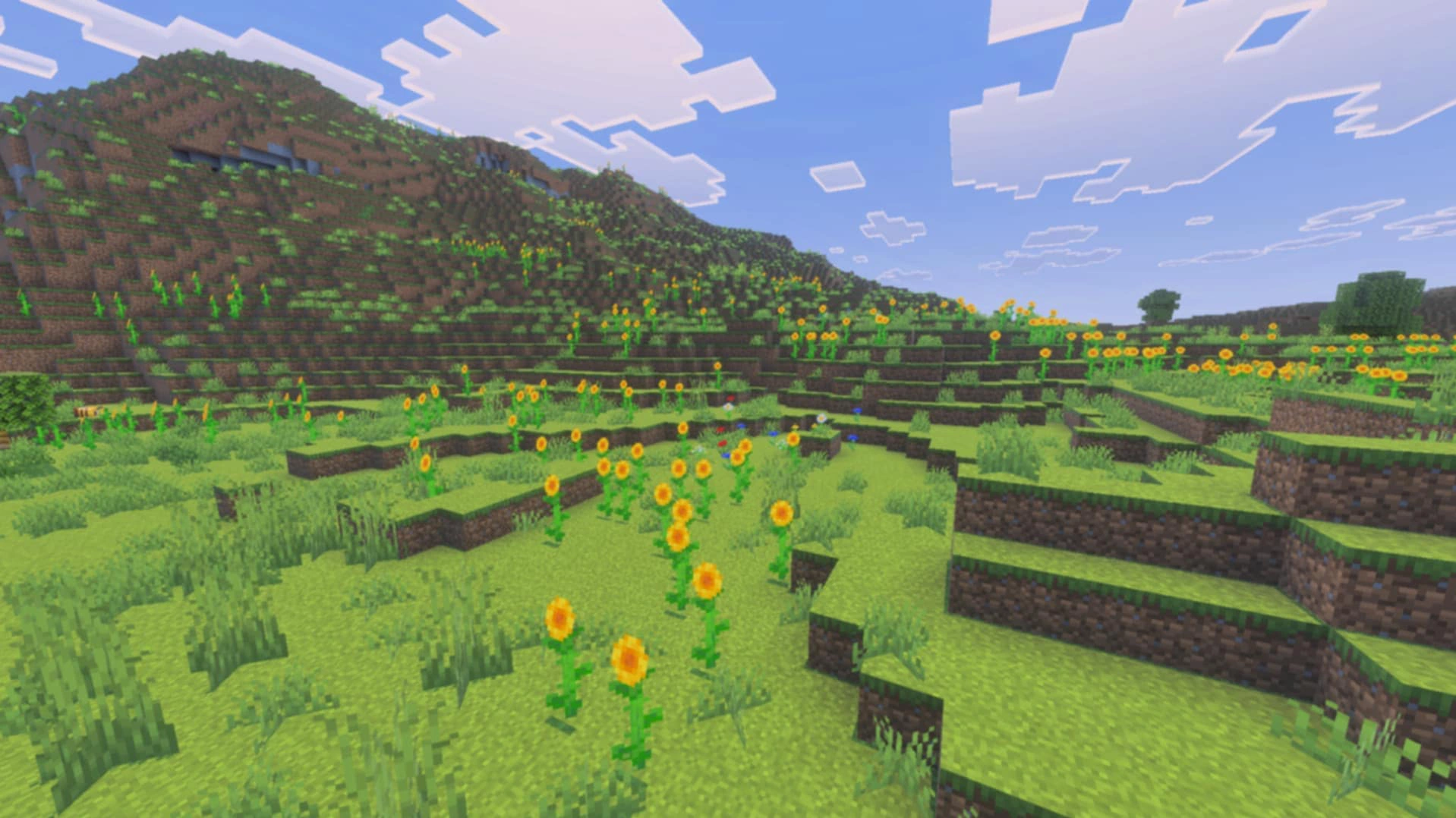
| Meadow |
The meadow is an elevated grassy biome found in plateaus near mountain ranges. It is filled with patches of flowers and turquoise-green grass and tall grass. All small flowers generate except Blue orchids, tulips, lilies of the valley or wither roses. Rarely, a lone oak or birch tree can generate and always has a bee nest. Both pillager outposts and plains villages can generate in this biome. Sheep, donkeys and rabbits are the only passive mobs that spawn in this biome. |
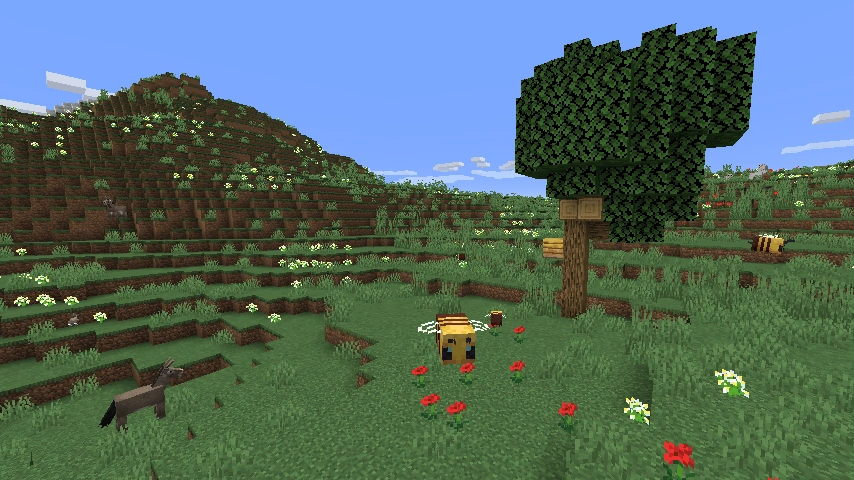 Meadows |
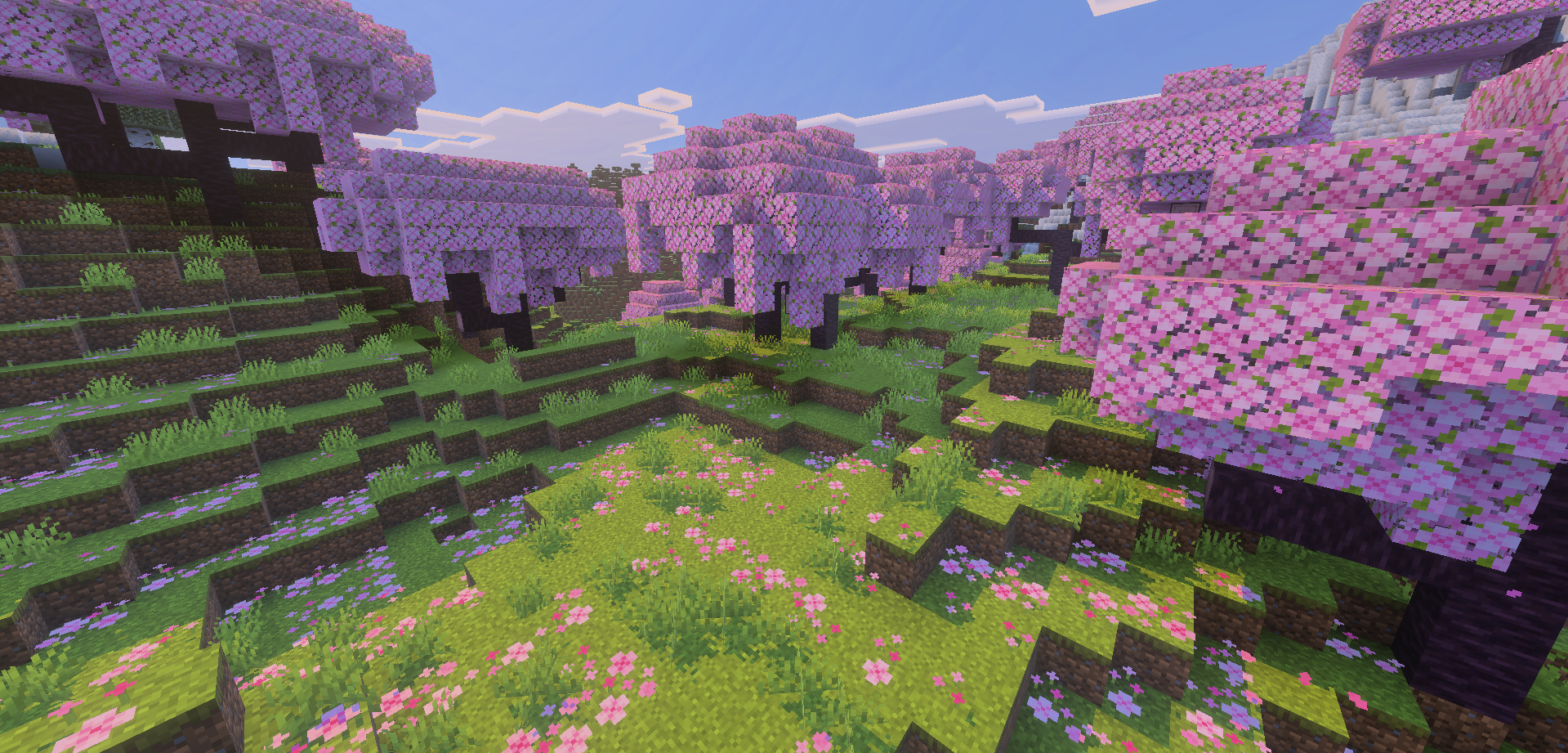
| Cherry Grove |
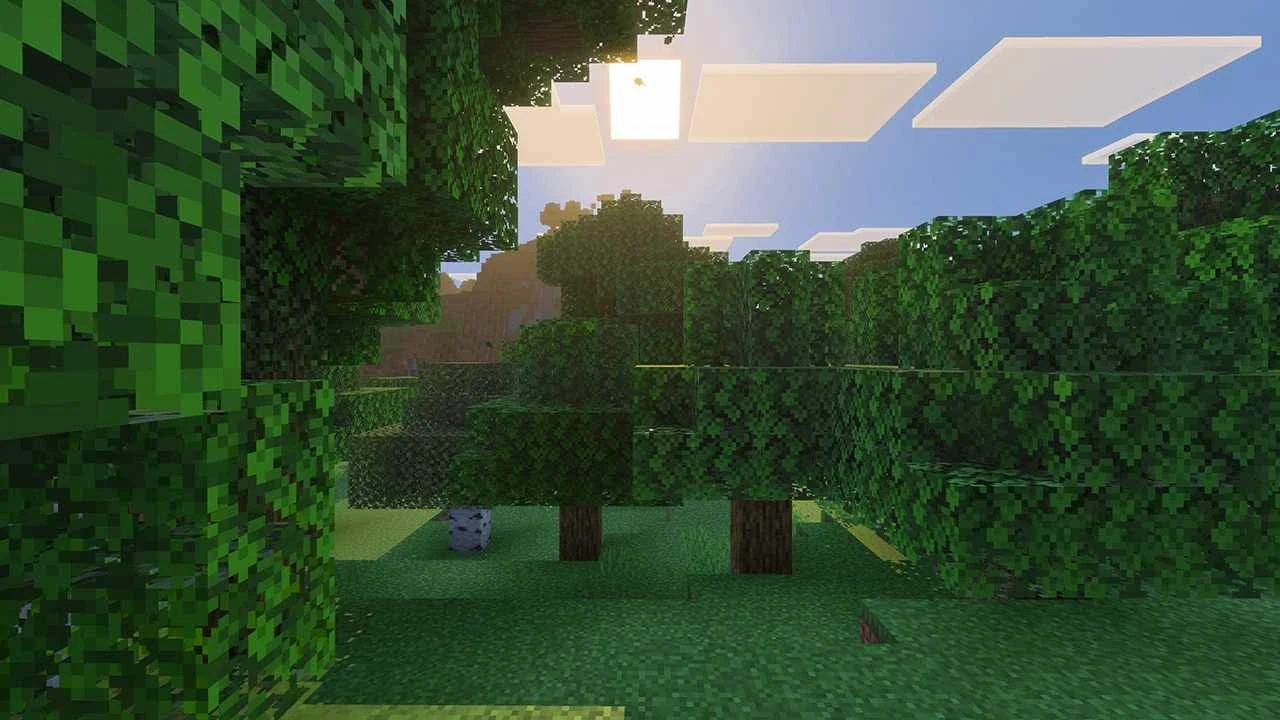
Cherry groves are grasslands with a lot of grass, tall grass and, besides the traditional dandelions and poppies flowers, there are pink petals. The main environmental feature of the cherry grove are cherry trees identified by their striking pink color. Their leaves drop petal particles. The cherry trees may generate densely enough create a cover of leaves. The cherry grove biome is good for surviving. The sparseness of trees can help the player not to get lost while collecting a great abundance of resources. |
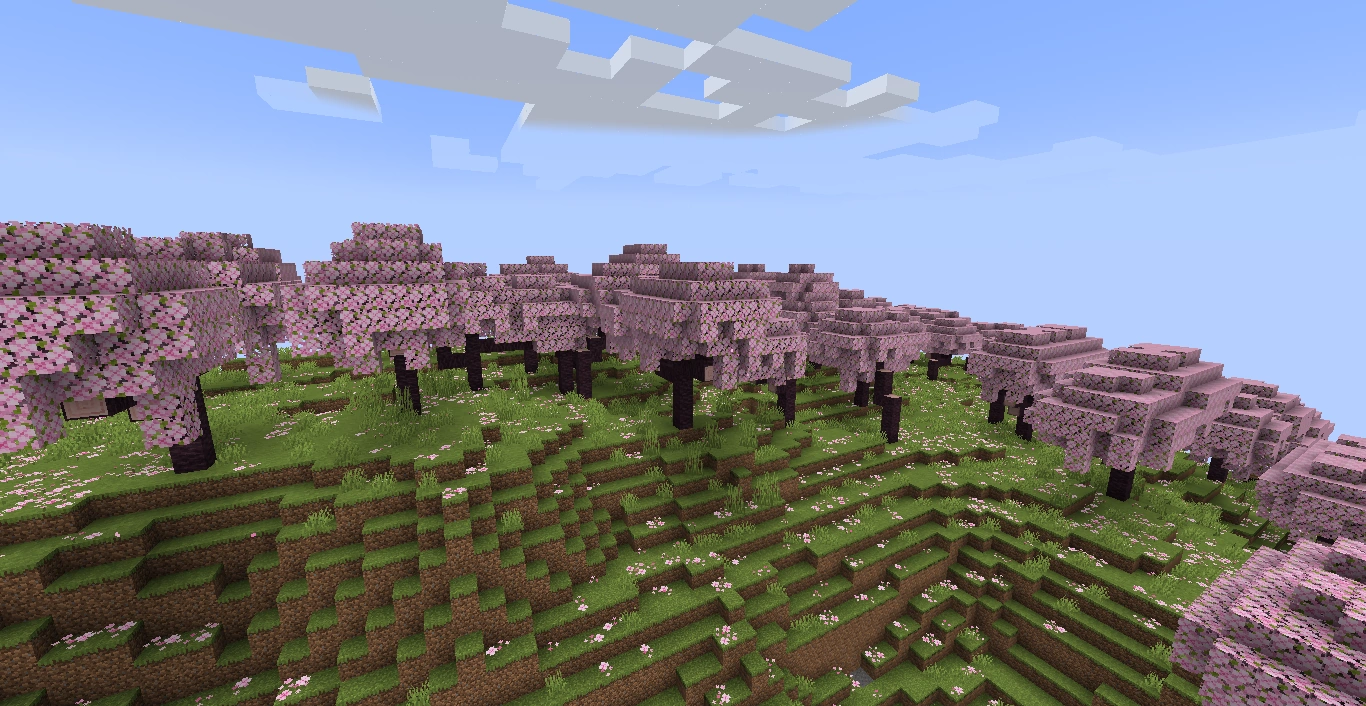 Cherry Grove |
| Grove |
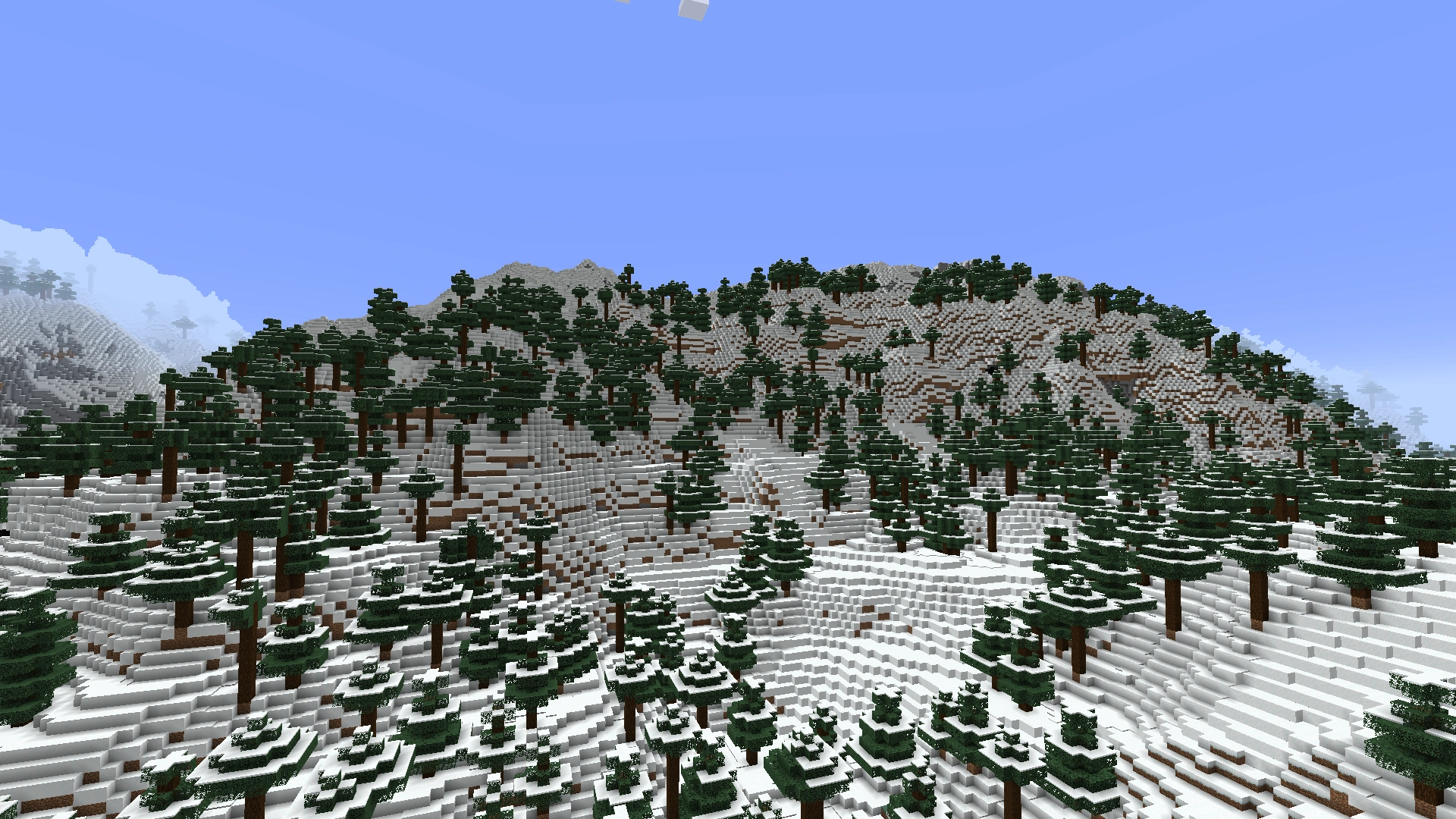
The grove creates a forest of spruce trees beneath the mountain peaks when near a forested biome. It is quite reminiscent of the snowy taiga but the surface is covered with snow layers, snow blocks, dirt and a lot of powder snow instead of grass blocks. Rabbits, wolves and foxes can spawn in this biome. |
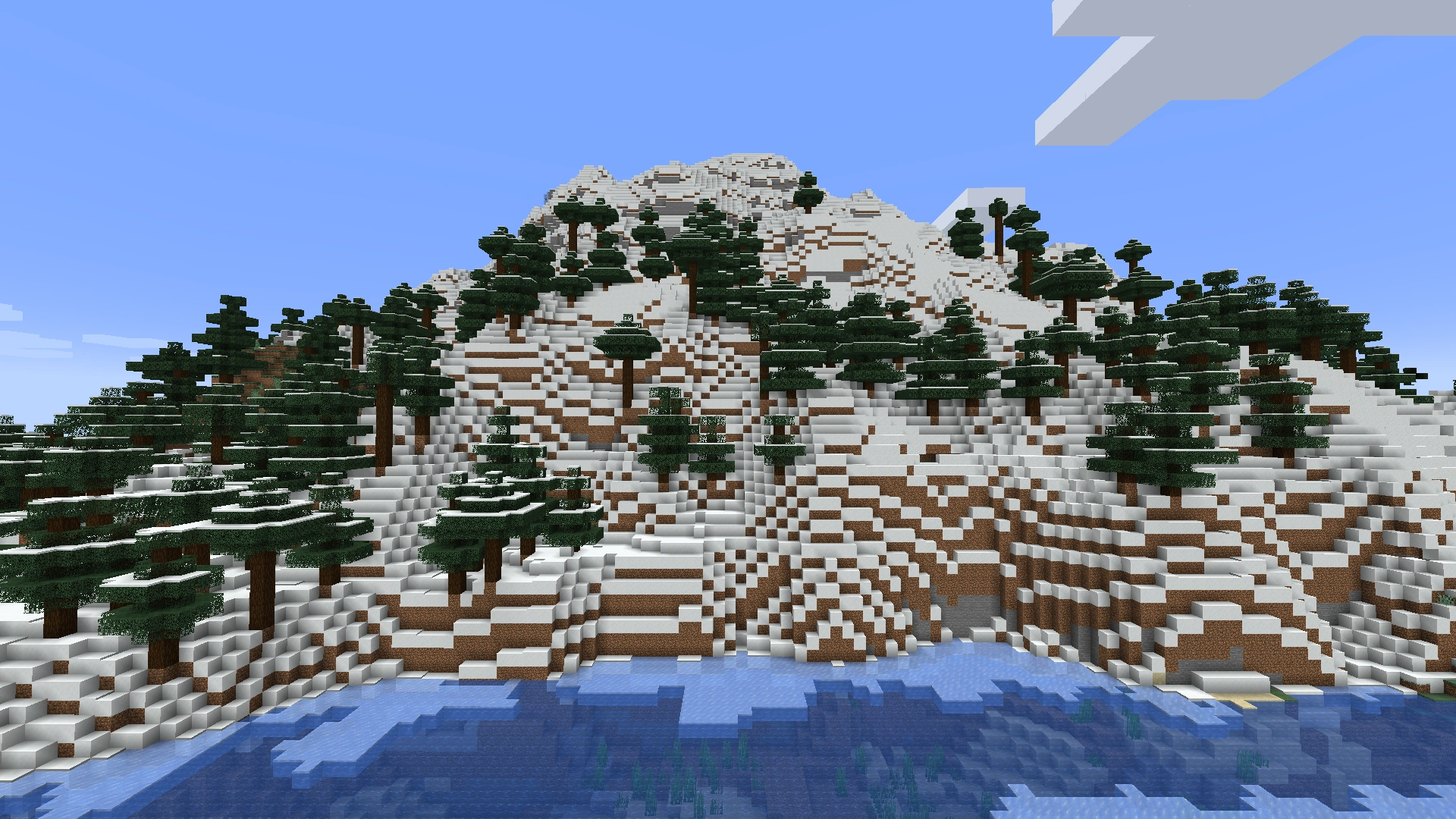 Grove |
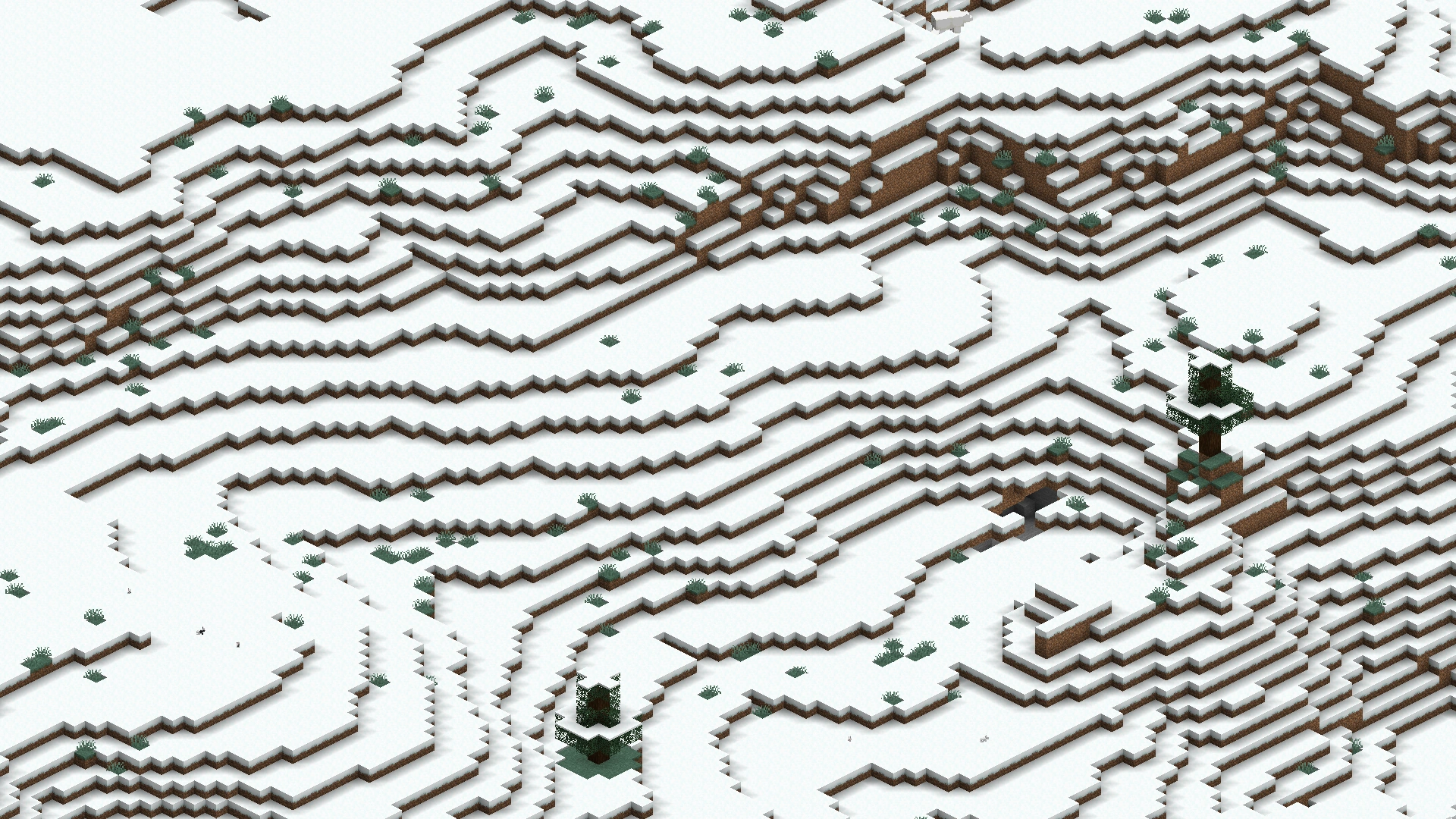
| Snowy Slopes |
The snowy slopes generate on beneath the mountain peaks and are covered multiple layers of snow blocks and powder snow, with some sides also having stone cliffs. Goats spawn in this biome alongside rabbits. This is the only mountain biome where igloos can generate, making it one of the three biomes where igloos naturally generate. |
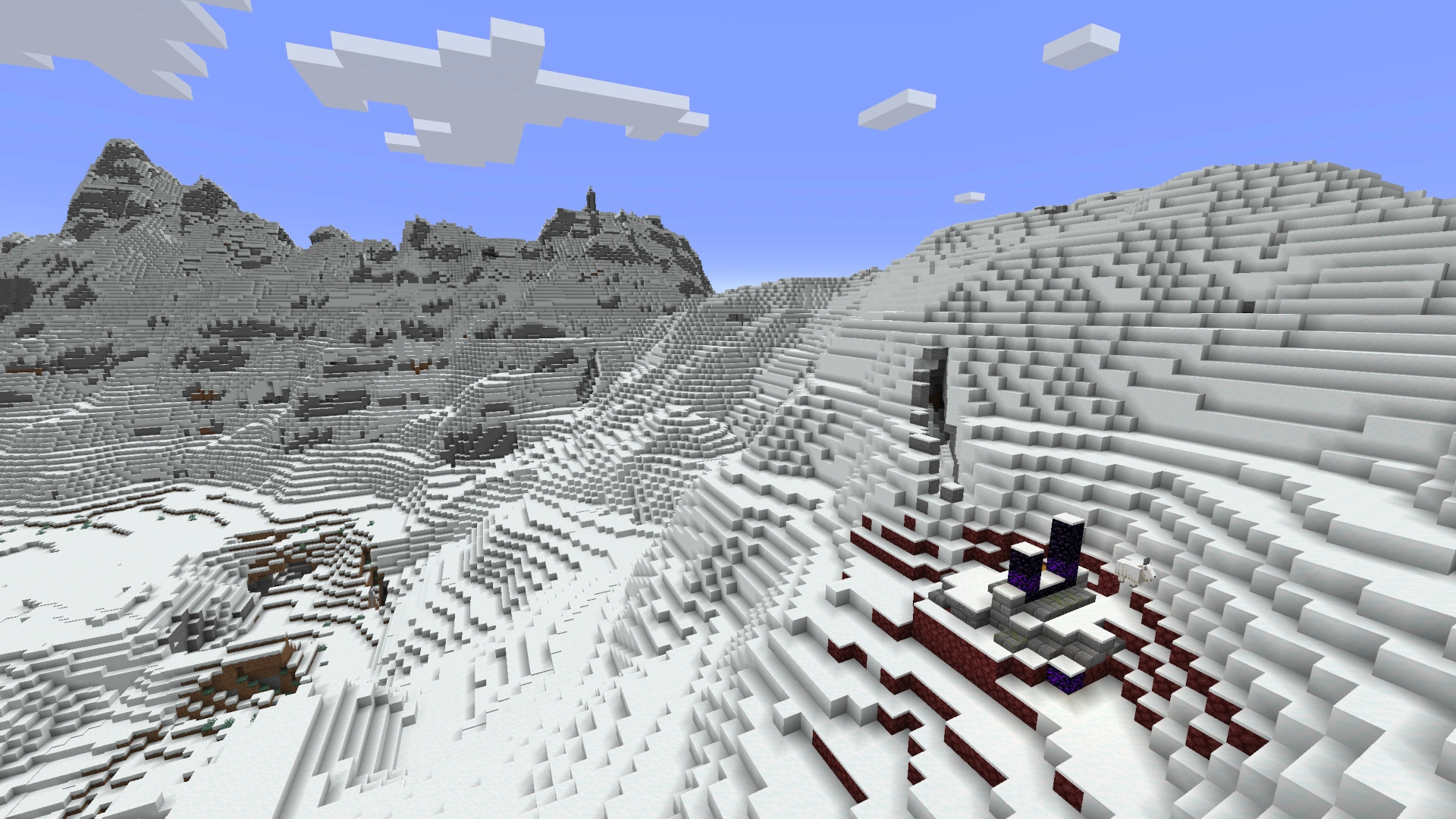 Snowy Slopes |
|
A highland biome with some steep hilltops. Cliffs, peaks, valleys, waterfalls, overhangs, floating islands, caverns and many other terrain features exist here, offering outstanding views. This is one of the few biomes where llamas can spawn naturally. Snowfall also occurs above certain heights up the mountain, thus creating snow layers on the top of the hills. Falling is a significant risk, as there are many steep ledges large enough to cause severe fall damage or even death. Windswept hills are one of a few biomes where emerald ore and infested stone can be found naturally. In Bedrock Edition and Minecraft Education, trees cannot generate here. |
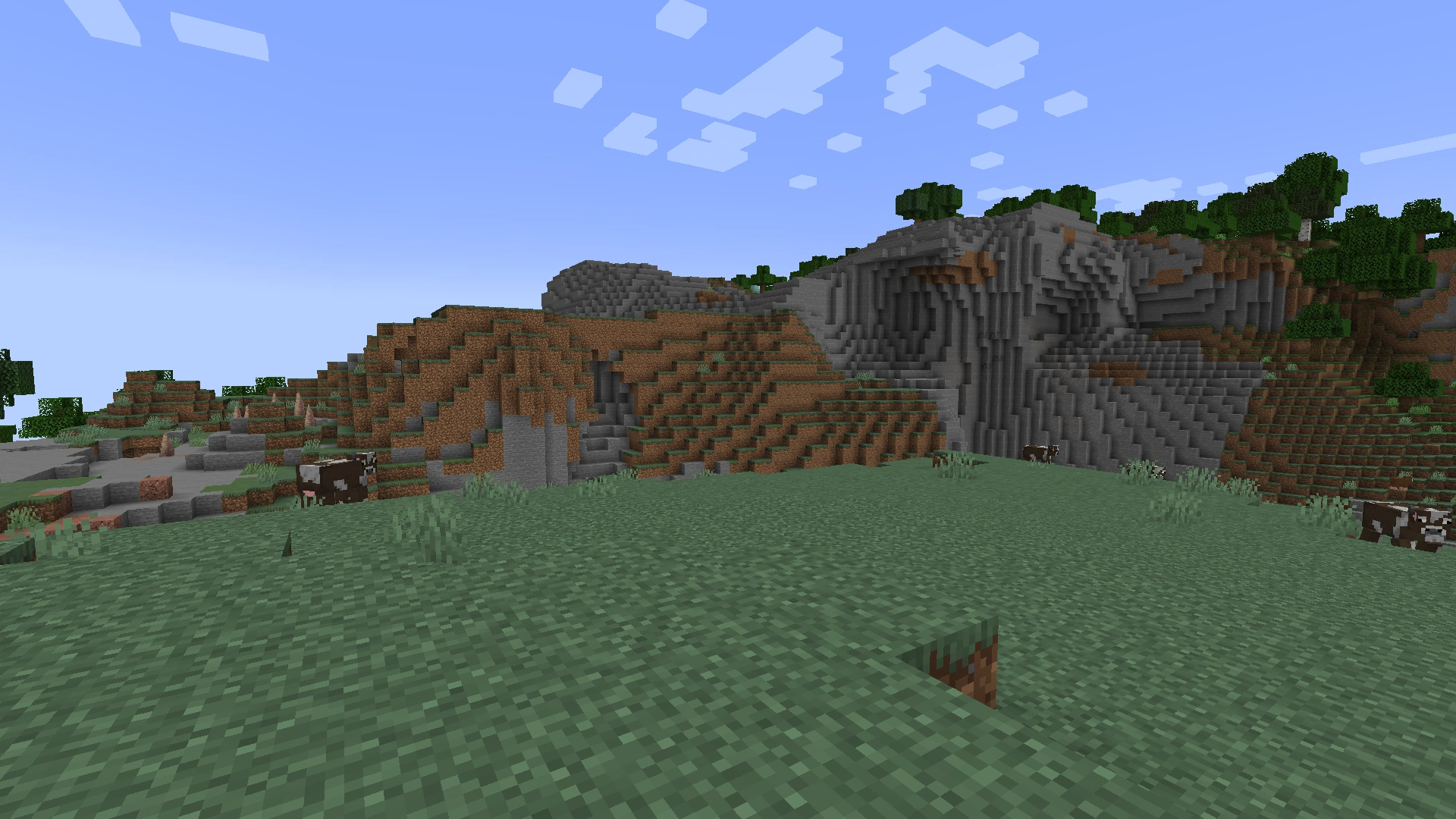 Windswept Hills | |
|
The windswept gravelly hills are mostly covered in gravel with occasional patches of grass and stone blocks. Due to the low amount of grass, the population of spruce and oak trees in this biome is sparse. |
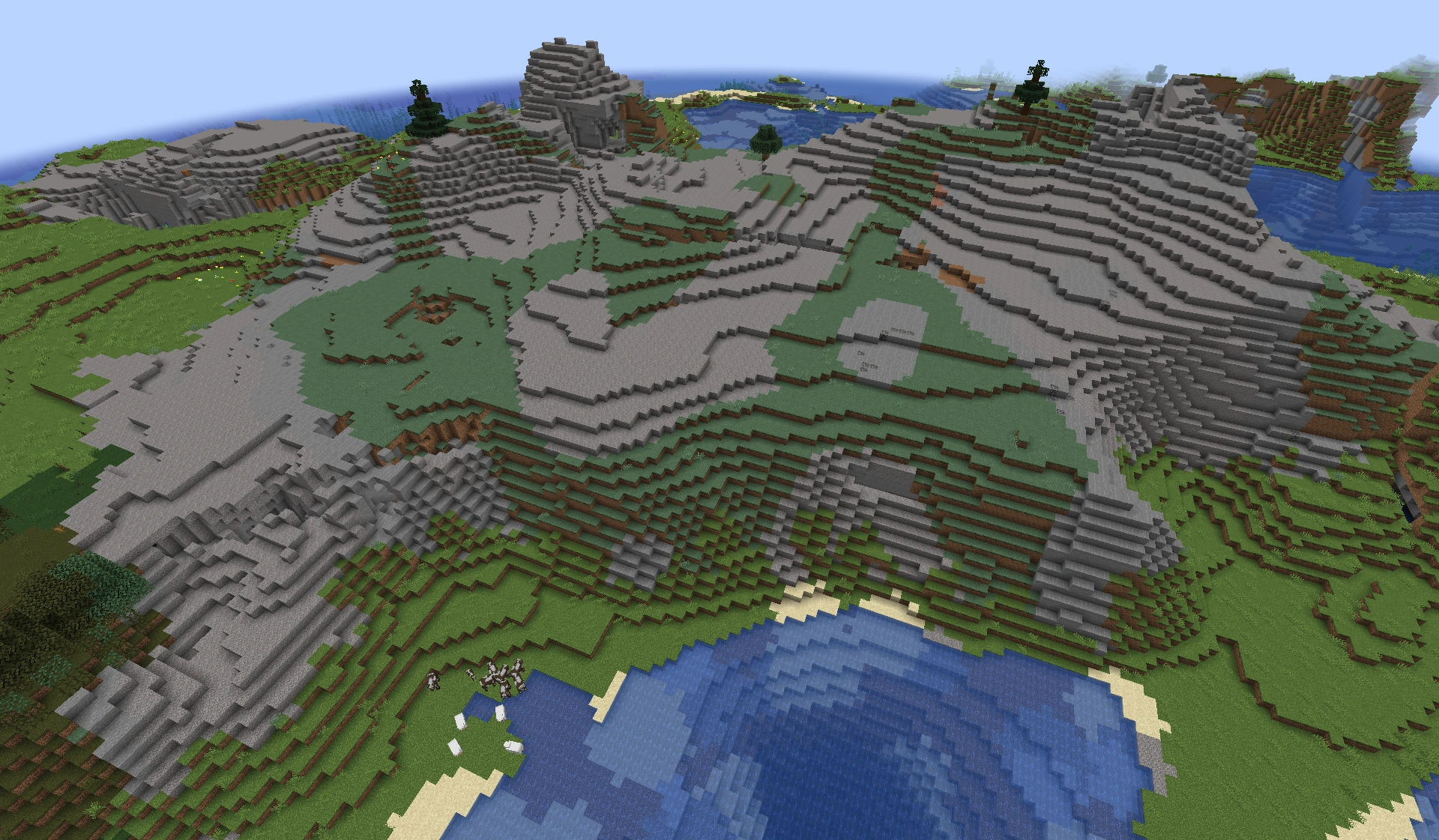 Windswept Gravelly Hills | |
|
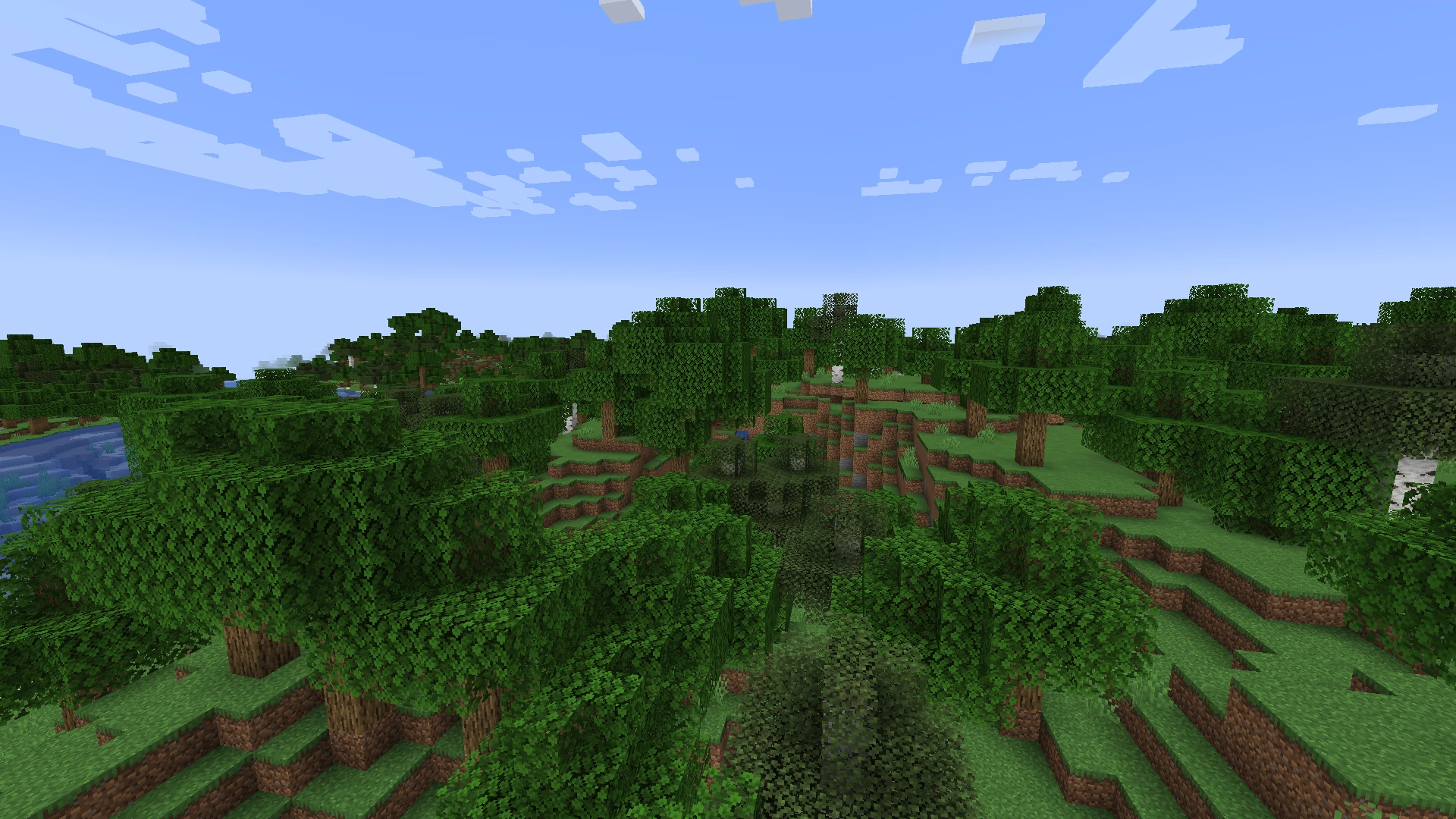
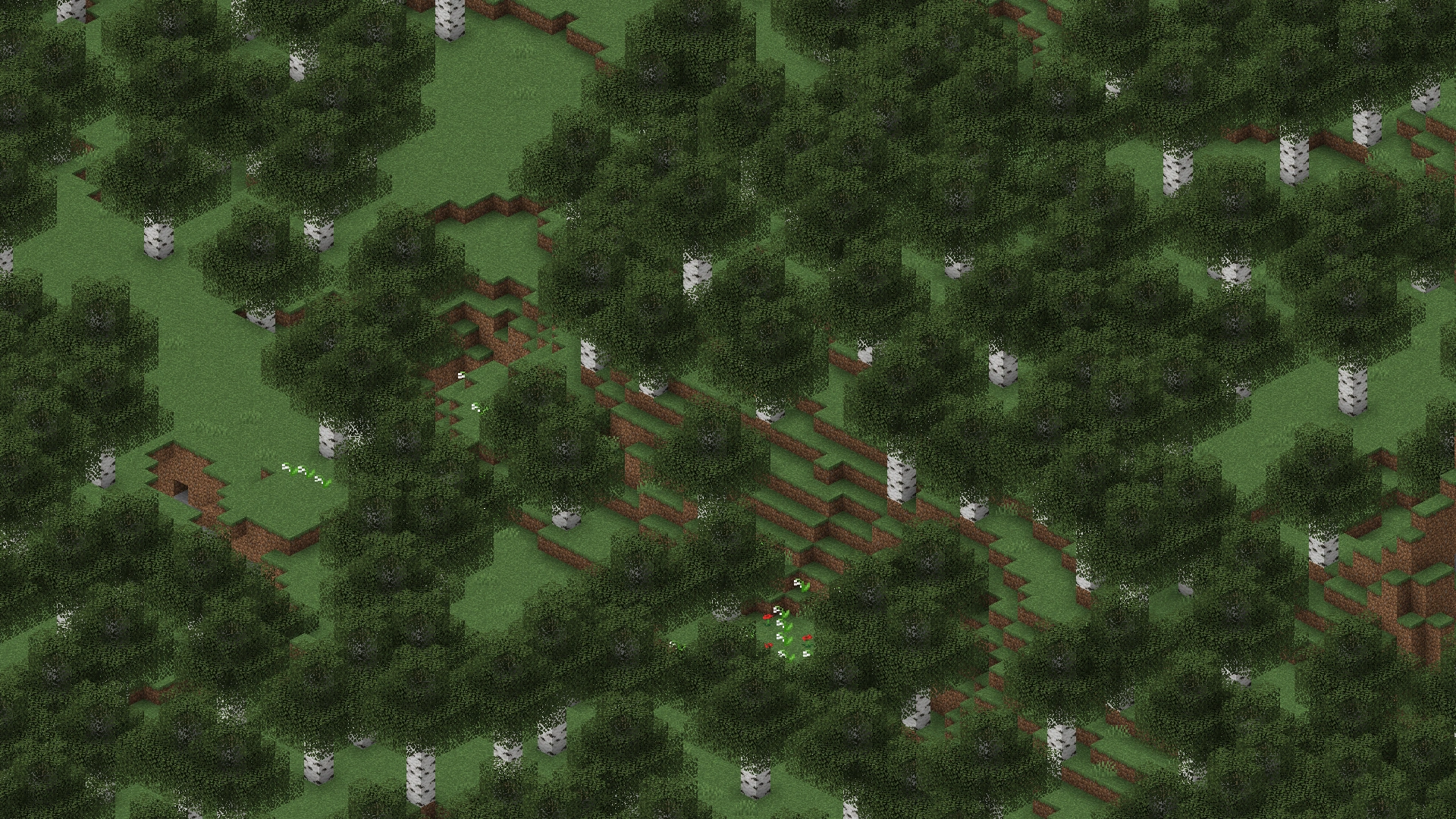
This biome is found when the windswept hills are located next to forested biomes. It doesn't generate stone patches so the floor is entirely covered by grass, and there are more spruce and oak trees in this biome, forming small forests with a lower tree density than the taiga biome. |
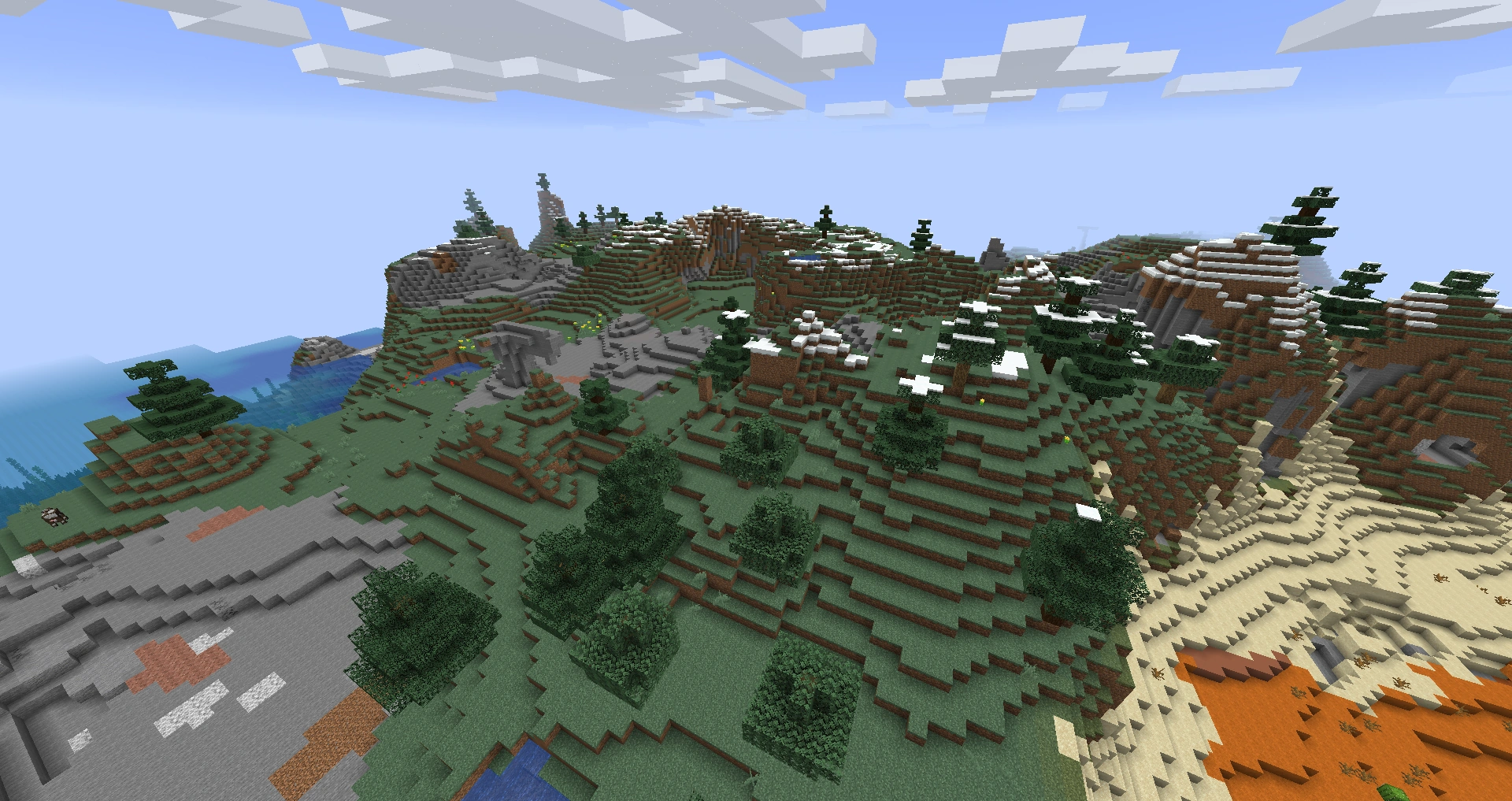 Windswept Forest |


How to break a table[]
In theory, once a table is broken, the data can be retreived with #dpl and #dplreplace.
{{#dplreplace:
{{#dpl:
|title=Biome
|include=##Offland.*
|mode=userformat
|format = ,
}}
|\{}}
Biome exp2[]
I have not been successful in retrieving data from a broken table using #dpl and #dplreplace. Other options include: turn the tables on page Biome into template table rows (e.g. {{:Biome/row| biome | description }}), or create arrays by hand.
later[]
Ummm... sticky note? ¶{¦ class = "sortable" style="font-size:small; line-height:20px;"¶ ! Name¶ ! ID¶¦- ¶ ! ,,,¶¦}¶ |secseparators=¶ ¦- ¶ ¦,¶ }}